

Fajita Bowl
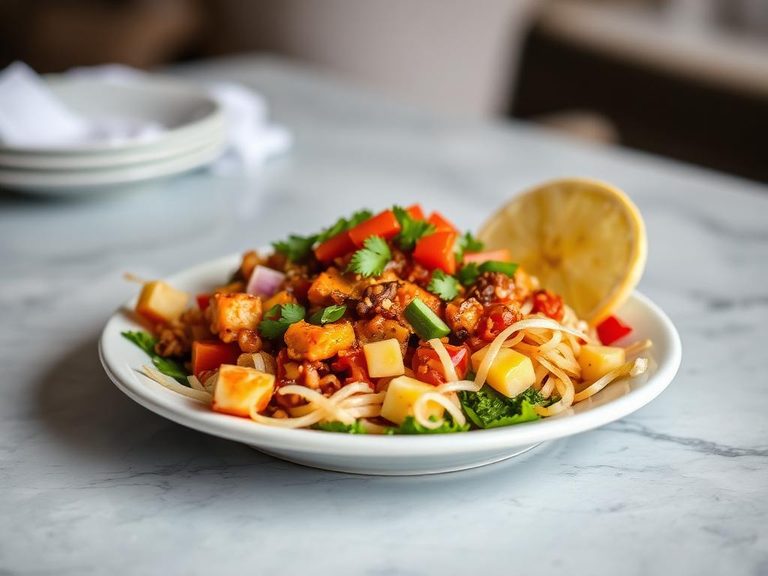
A Fajita Bowl is a deconstructed, bowl-based version of the classic Tex-Mex fajita, typically featuring sizzling grilled strips of steak or chicken, sautéed bell peppers and onions, and a base of rice or lettuce. It's often topped with classic accompaniments like guacamole, salsa, sour cream, and shredded cheese, making it a customizable and hearty meal. This dish is a popular staple in Tex-Mex cuisine, which blends Mexican and American culinary traditions.
🍳 View the full Fajita Bowl recipe →
🍽️ Nutrition at a glance
A typical Fajita Bowl is a balanced meal, providing a good mix of protein from the meat, complex carbohydrates from the rice or beans, and healthy fats from avocado and cheese. It is a good source of fiber, vitamins (especially vitamin C from the peppers), and minerals like iron and potassium, with a rough calorie range of 500-800 per serving depending on portion sizes and toppings.
Nutrition breakdown
| Calories | 550 kcal |
| Protein | 35 g |
| Carbs | 50 g |
| Fat | 22 g |
| Fiber | 8 g |
| Sugar | 5 g |
| Sodium | 900 mg |
| Potassium | 650 mg |
| Iron | 4.5 mg |
| Calcium | 120 mg |
| Vitamin C | 45 mg |
| Vitamin A | 300 mcg |
| Vitamin B6 | 0.8 mg |
| Magnesium | 80 mg |
| Zinc | 3.5 mg |
Per 1 bowl (450 g) · estimated, varies by recipe
💡 What's interesting
Culturally, the Fajita Bowl represents the evolution of Tex-Mex cuisine, transforming a handheld taco into a modern, fork-friendly format that aligns with contemporary dining trends. Nutritionally, its strength lies in its high customizability, allowing individuals to easily adjust macronutrient ratios—like opting for a lettuce base for lower carbs or adding extra beans for more fiber—to suit different dietary preferences.
🍽️ Related dishes
AI estimate may be inaccurate · Terms