

Dessert crust base

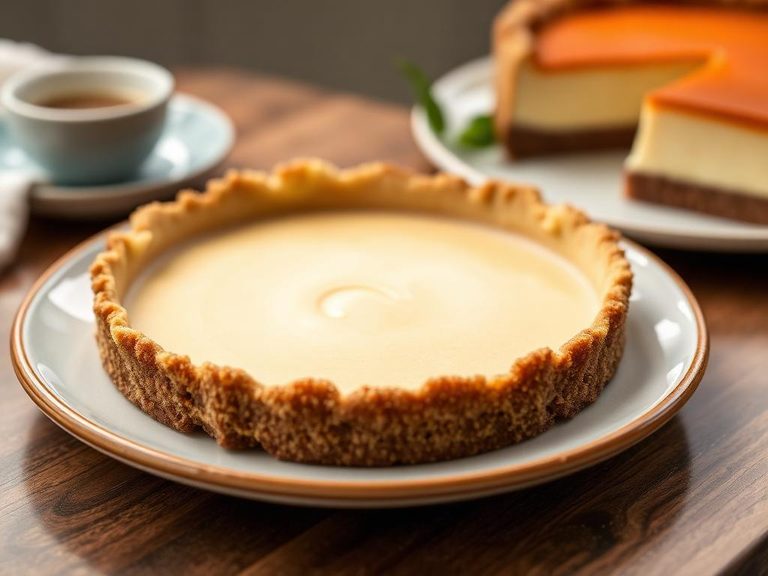
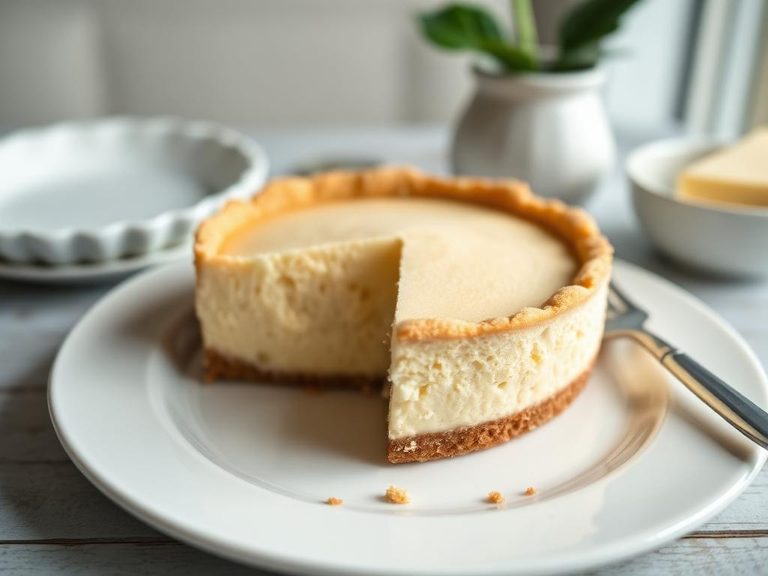
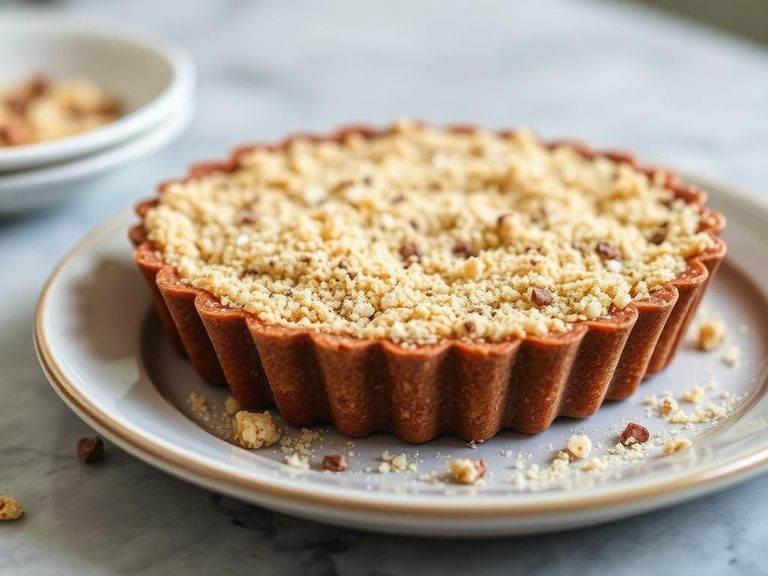
A dessert crust base is the foundational layer for pies, tarts, and cheesecakes, typically made from flour, fat (like butter or shortening), and a small amount of liquid. It's a versatile component in Western baking, especially prominent in American and European pastry traditions.
🍽️ Nutrition at a glance
This base is generally high in carbohydrates and fat, with minimal protein, providing a dense energy source. A typical serving (like a single pie crust slice) can range from 150 to 250 calories, depending on the recipe and size.
Nutrition breakdown
| Calories | 320 kcal |
| Protein | 3.5 g |
| Carbs | 32 g |
| Fat | 20 g |
| Fiber | 1.5 g |
| Sugar | 12 g |
| Sodium | 210 mg |
| Calcium | 40 mg |
| Iron | 1.2 mg |
| Potassium | 75 mg |
| Vitamin A | 150 IU |
| Vitamin E | 1.5 mg |
| Vitamin K | 8 mcg |
| Thiamin (B1) | 0.1 mg |
| Folate | 20 mcg |
Per 1/8 of a 9-inch pie (approx. 85 g) · estimated, varies by recipe
💡 What's interesting
The crust's texture can vary dramatically from flaky to crumbly based on fat preparation, making it a key skill in baking. Nutritionally, it often serves as the primary source of calories and fat in a dessert, contrasting with the fruit or cream fillings it supports.
🍽️ Related dishes
AI estimate may be inaccurate · Terms