Curry Lung
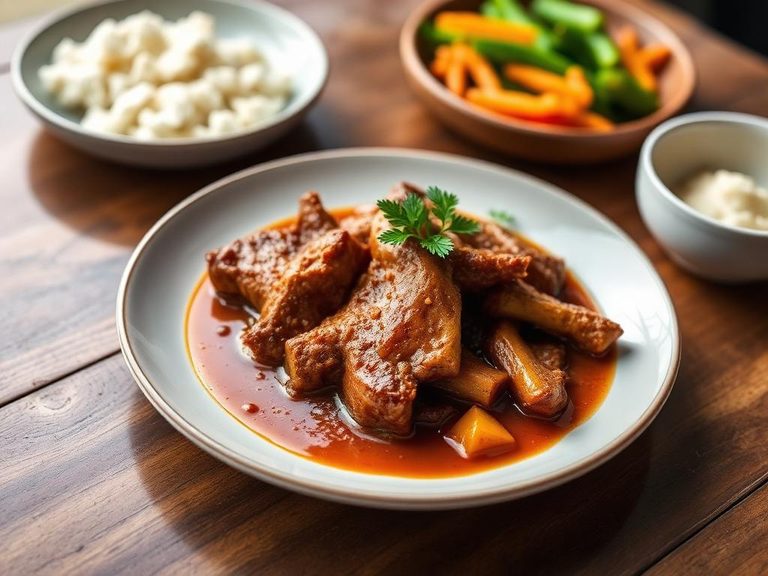
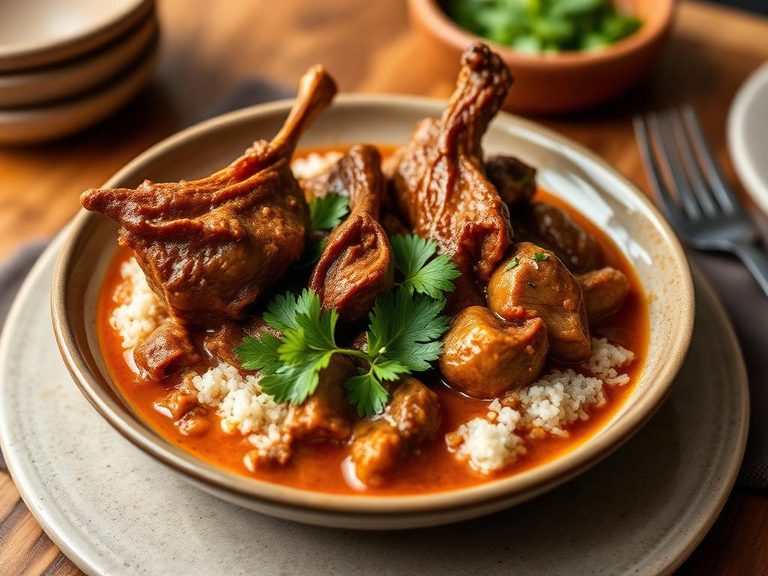
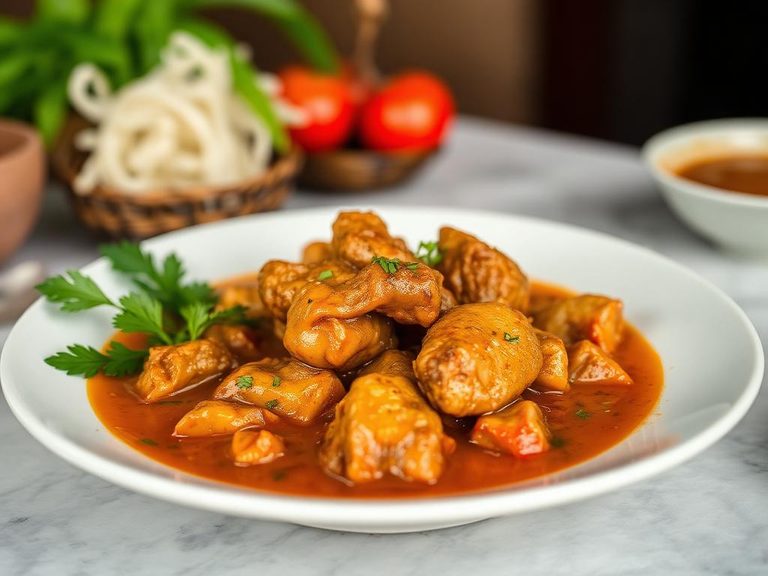
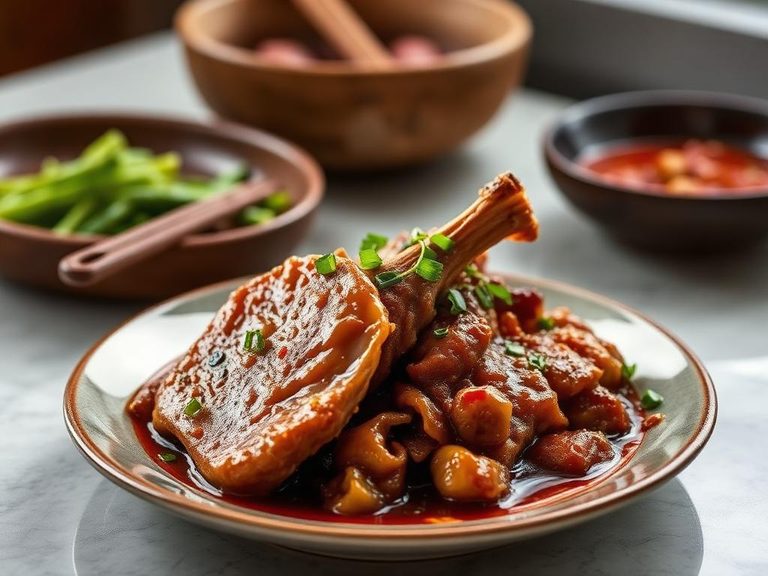
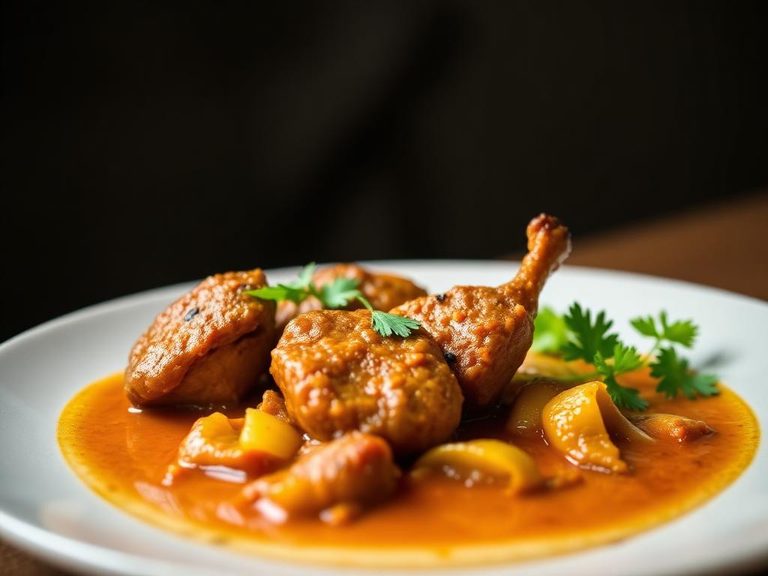
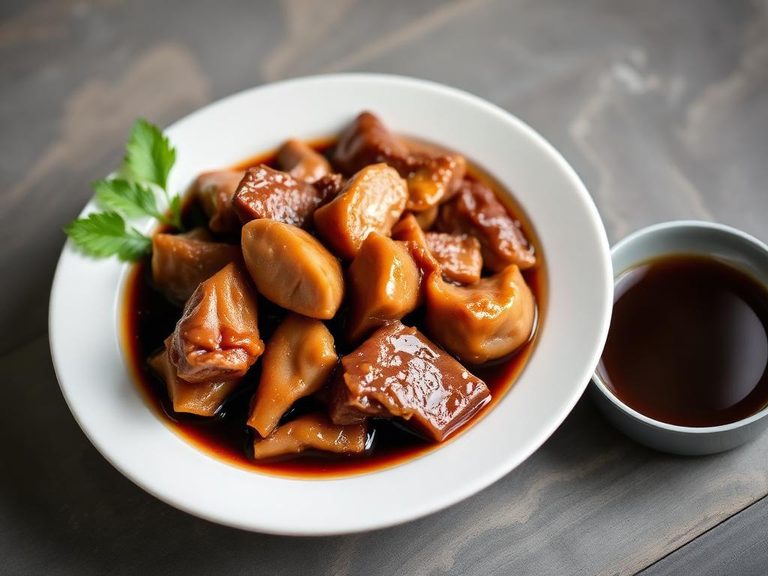
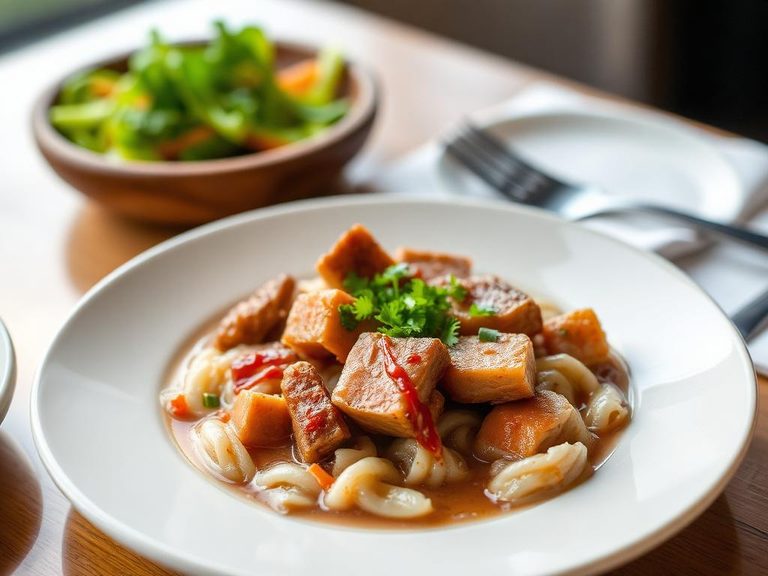
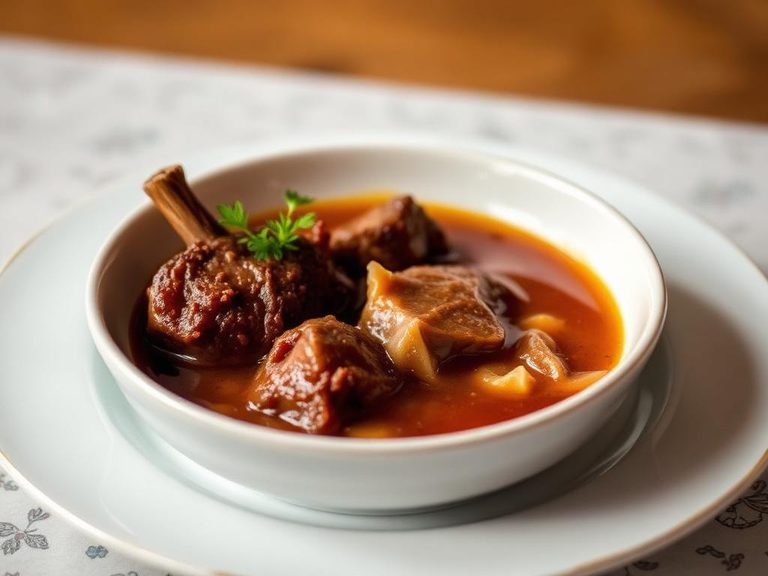
Curry Lung is a traditional Tibetan and Nepalese dish, often called 'Pha' in Tibetan, made from beef or yak lungs simmered in a rich, aromatic curry sauce. The lungs are typically cleaned, boiled, and then braised with onions, tomatoes, ginger, garlic, and a blend of spices like turmeric, cumin, and coriander. It's a hearty, rustic dish commonly found in Himalayan regions, often served with rice or flatbreads.
🍽️ Nutrition at a glance
This dish is a good source of protein and iron, but it is also relatively high in fat, especially saturated fat, depending on the cut and cooking method. A typical serving provides around 300-400 calories, with notable amounts of B vitamins and minerals.
Nutrition breakdown
| Calories | 350 kcal |
| Protein | 25 g |
| Carbs | 8 g |
| Fat | 24 g |
| Fiber | 2 g |
| Sugar | 3 g |
| Sodium | 680 mg |
| Iron | 6 mg |
| Vitamin B12 | 18 mcg |
| Zinc | 4 mg |
| Potassium | 350 mg |
| Selenium | 28 mcg |
| Niacin (B3) | 8 mg |
| Phosphorus | 220 mg |
| Vitamin A | 120 mcg |
Per 1 cup (240 g) · estimated, varies by recipe
💡 What's interesting
Nutritionally, organ meats like lungs are exceptionally dense in certain nutrients, particularly iron and B12, making them valuable in diets where these might be scarce. Culturally, it represents a nose-to-tail eating philosophy common in many high-altitude, pastoral communities.