Lamb Lung Soup
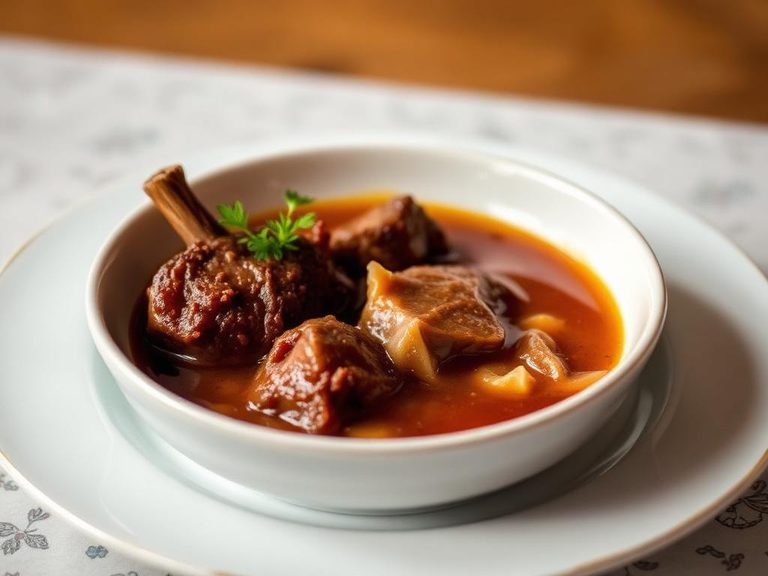
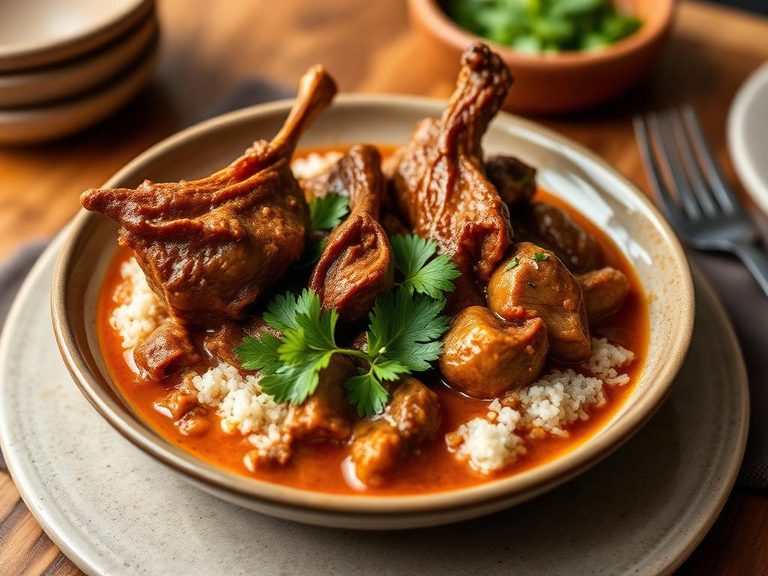
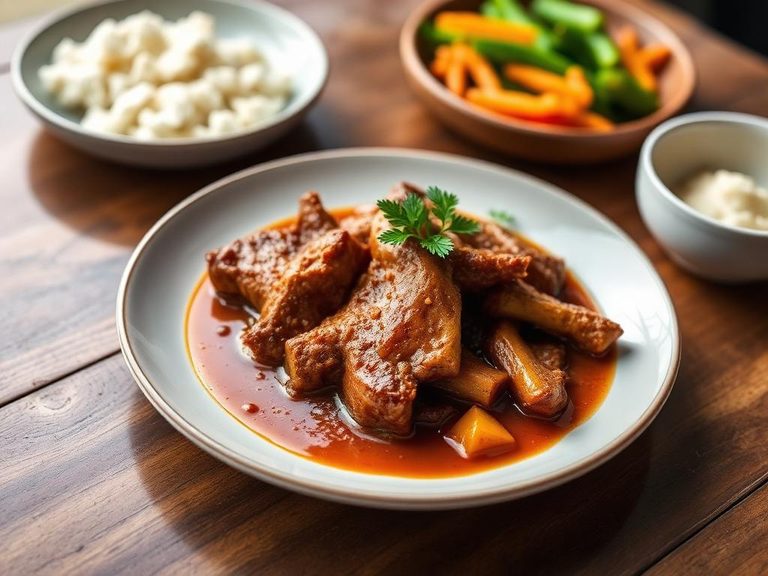
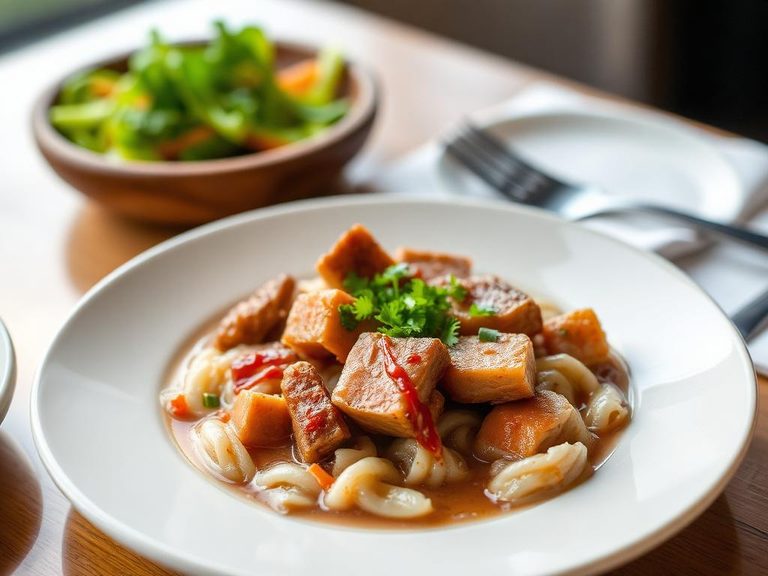
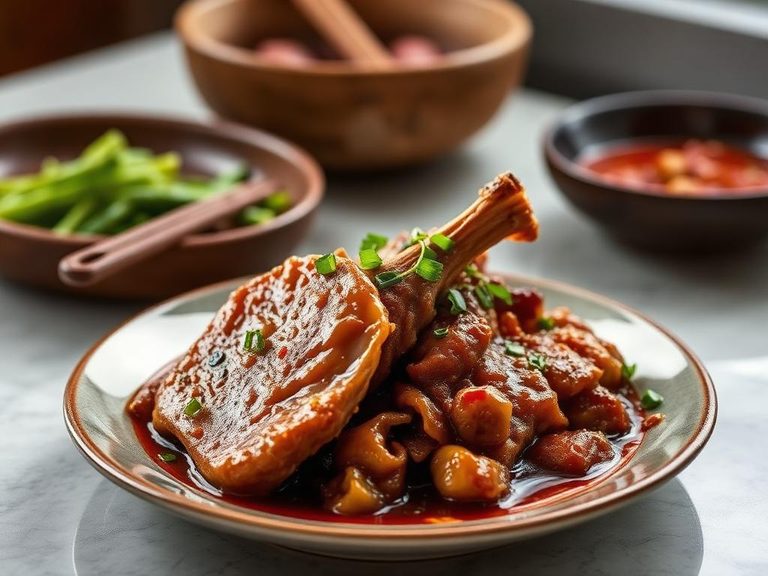
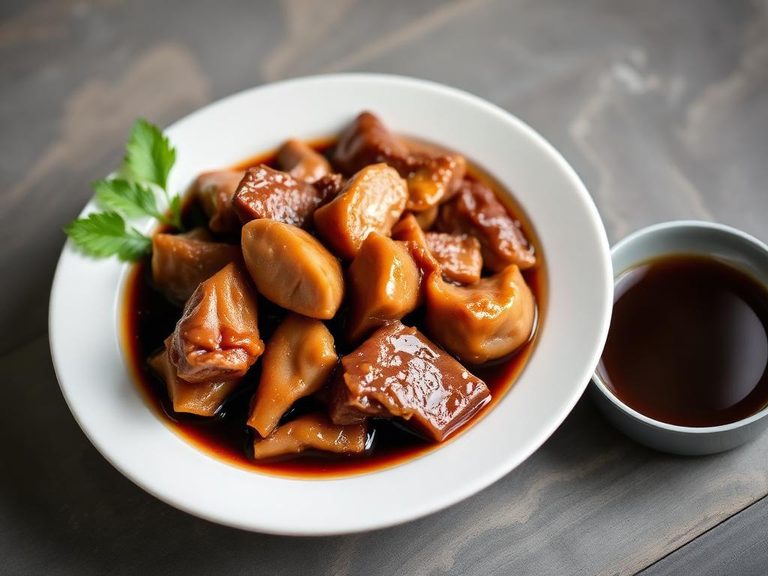
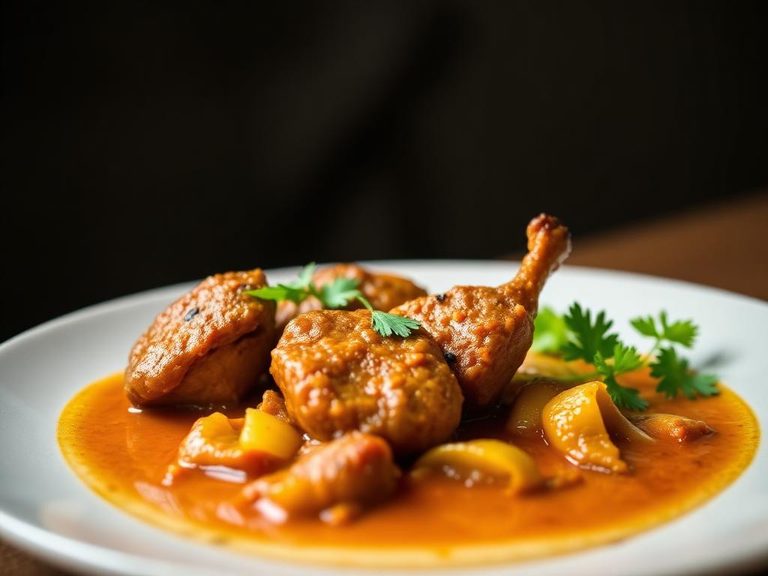
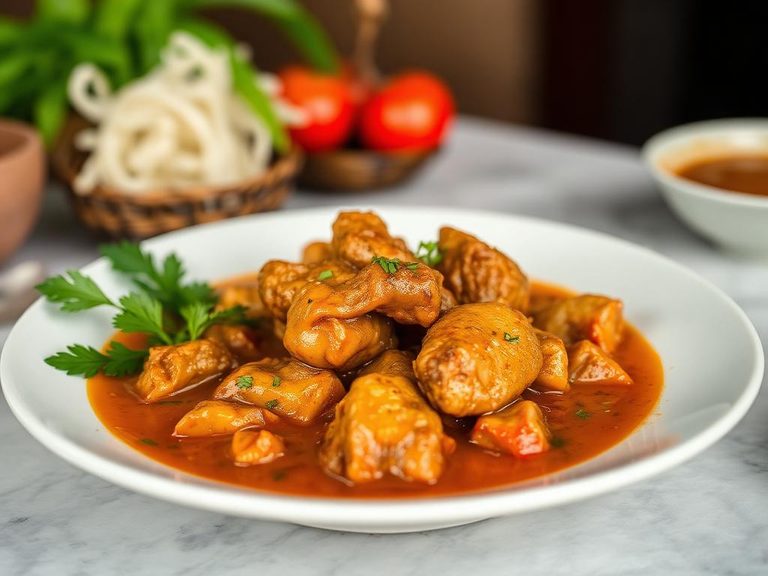
Lamb Lung Soup is a traditional Chinese dish, particularly popular in regions like Sichuan and among certain ethnic minorities, where it is often prepared as a warming, savory broth. It typically features cleaned lamb lungs simmered with aromatic spices such as ginger, scallions, star anise, and sometimes Sichuan peppercorns or chili, creating a rich and flavorful soup.
🍽️ Nutrition at a glance
This dish is primarily a source of protein and fat, with minimal carbohydrates, making it a low-carb option. It provides key nutrients like iron, zinc, and B vitamins, particularly B12, with a rough calorie ballpark of 150-250 kcal per serving, depending on the cut and cooking method.
Nutrition breakdown
| Calories | 200 kcal |
| Protein | 18 g |
| Carbs | 2 g |
| Fat | 12 g |
| Fiber | 0 g |
| Sugar | 0.5 g |
| Sodium | 450 mg |
| Iron | 3.5 mg |
| Zinc | 4.2 mg |
| Vitamin B12 | 8.5 µg |
| Potassium | 320 mg |
| Phosphorus | 280 mg |
| Selenium | 18 µg |
| Niacin (B3) | 6.0 mg |
| Riboflavin (B2) | 0.4 mg |
Per 1 cup (240 g) · estimated, varies by recipe
💡 What's interesting
Culturally, lamb lung soup is valued in some Chinese culinary traditions for its perceived warming properties and is often consumed during colder months or as part of restorative meals. Nutritionally, organ meats like lamb lungs are nutrient-dense, offering high-quality protein and essential minerals in a concentrated form.