Fried lung
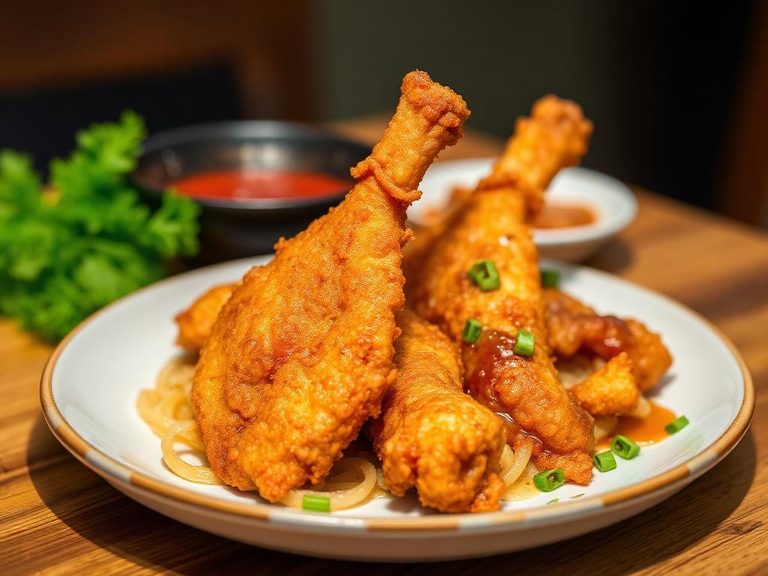
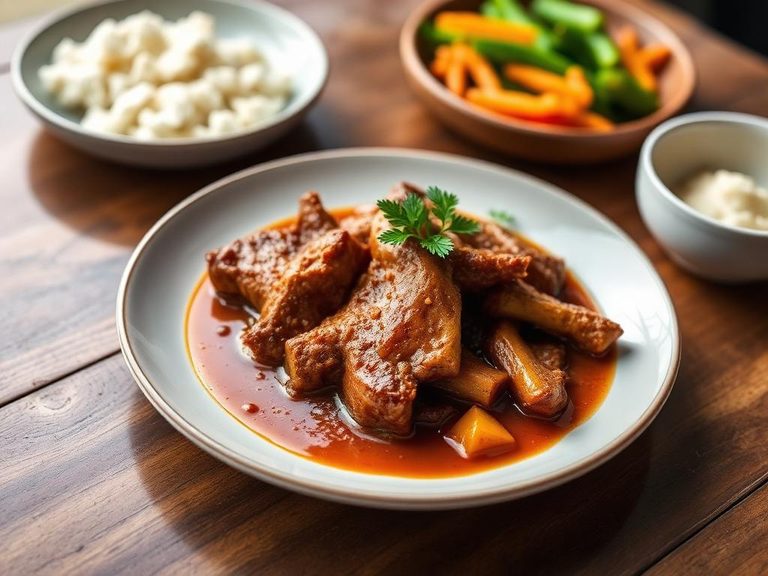
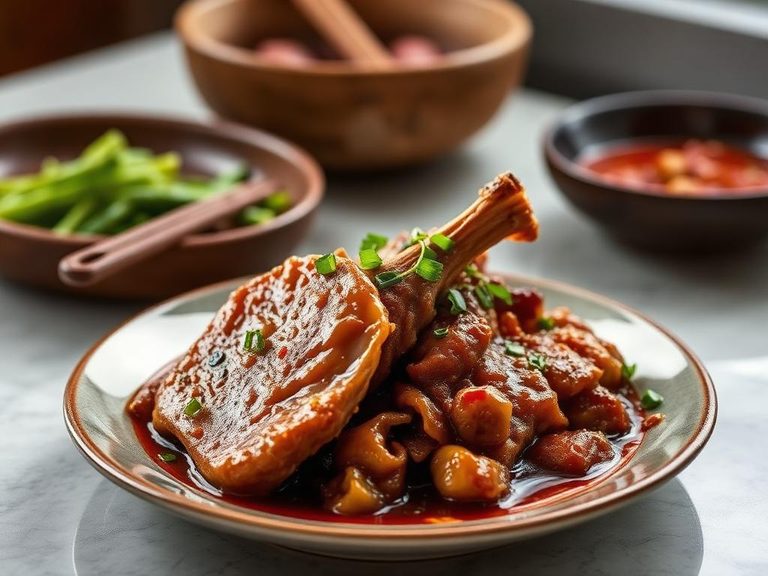
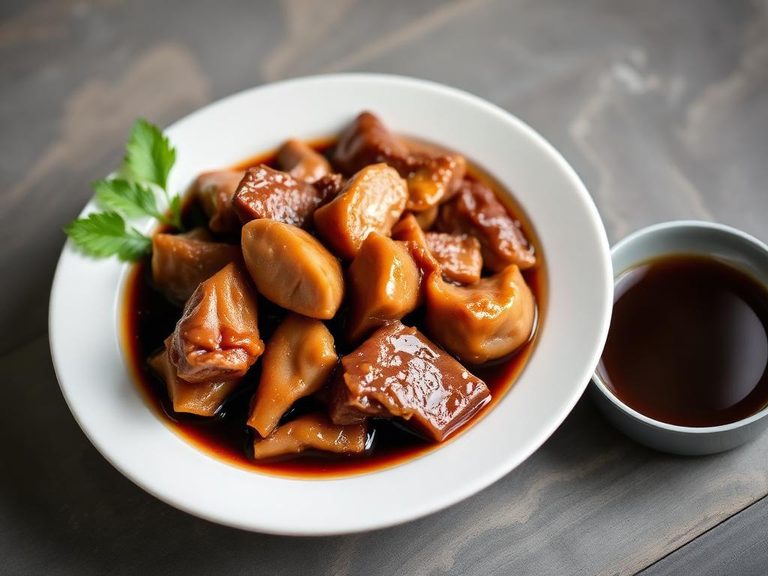
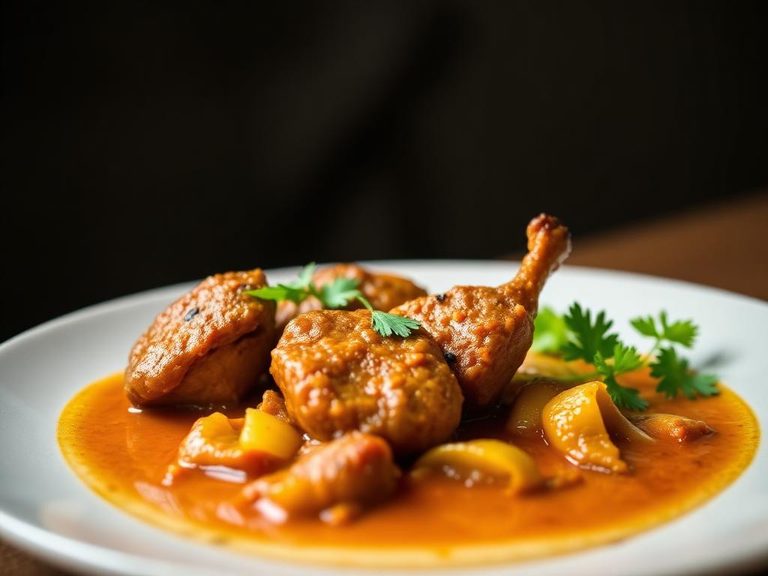
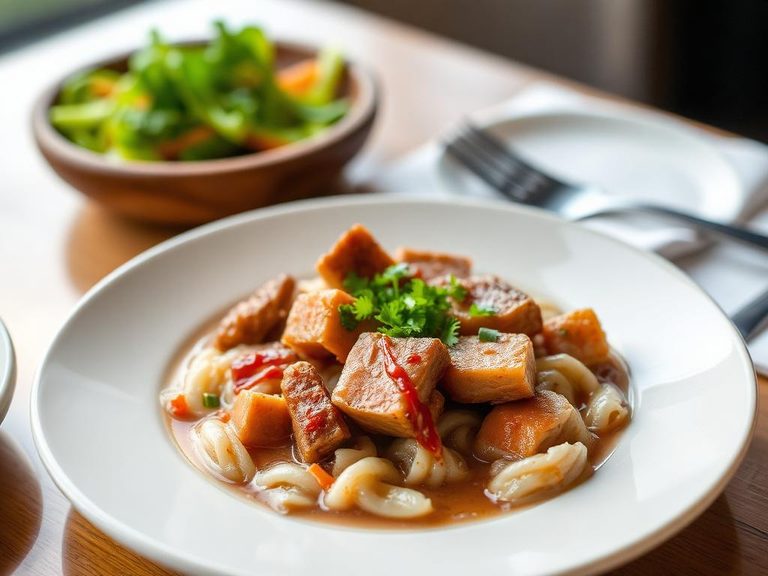
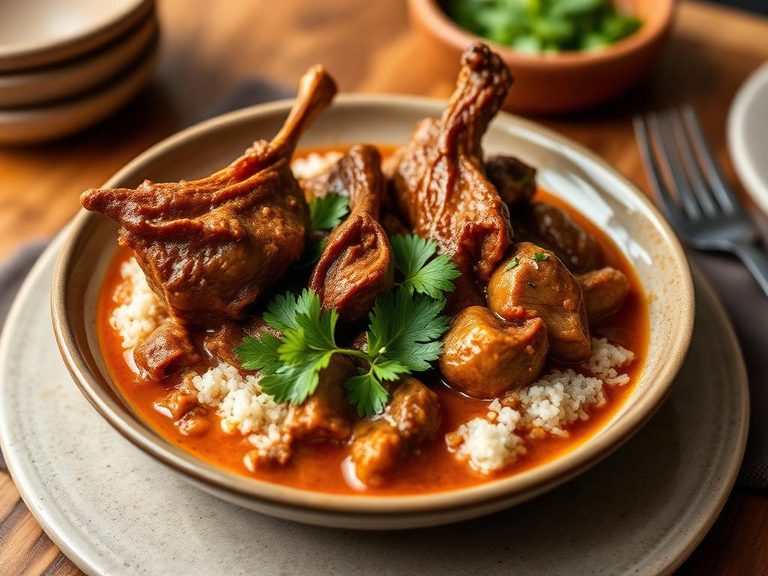
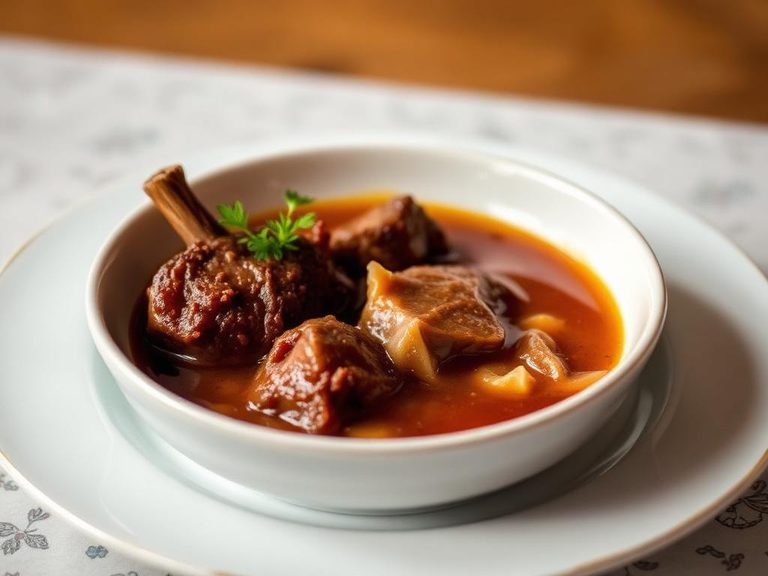
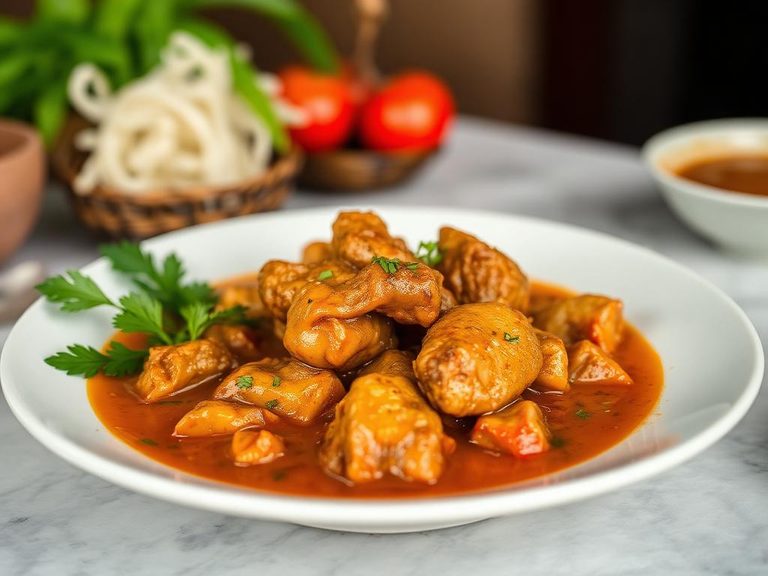
Fried lung is a traditional dish made from animal lungs (most commonly beef or lamb) that are typically cleaned, boiled, then sliced and fried until crispy on the outside. It is often seasoned with salt, pepper, and spices, and is a popular street food or snack in various cuisines, including parts of the Middle East, Central Asia, and China.
🍽️ Nutrition at a glance
Fried lung is a high-protein, low-carbohydrate food with a moderate fat content depending on the cooking method. It provides key nutrients like iron, zinc, and B vitamins, with a rough calorie estimate of 200-250 kcal per 100g serving.
Nutrition breakdown
| Calories | 230 kcal |
| Protein | 22 g |
| Carbs | 1 g |
| Fat | 15 g |
| Fiber | 0 g |
| Sugar | 0 g |
| Sodium | 350 mg |
| Iron | 5.0 mg |
| Zinc | 4.5 mg |
| Vitamin B12 | 8.0 mcg |
| Niacin (B3) | 6.0 mg |
| Phosphorus | 280 mg |
| Selenium | 25 mcg |
| Copper | 0.3 mg |
| Potassium | 310 mg |
Per 100 g (about 3.5 oz) · estimated, varies by recipe
💡 What's interesting
Culturally, fried lung is valued for its unique texture—crispy on the outside and slightly chewy inside—and is often associated with resourceful cooking traditions that utilize offal. Nutritionally, it's a dense source of heme iron, which is more easily absorbed than plant-based iron.