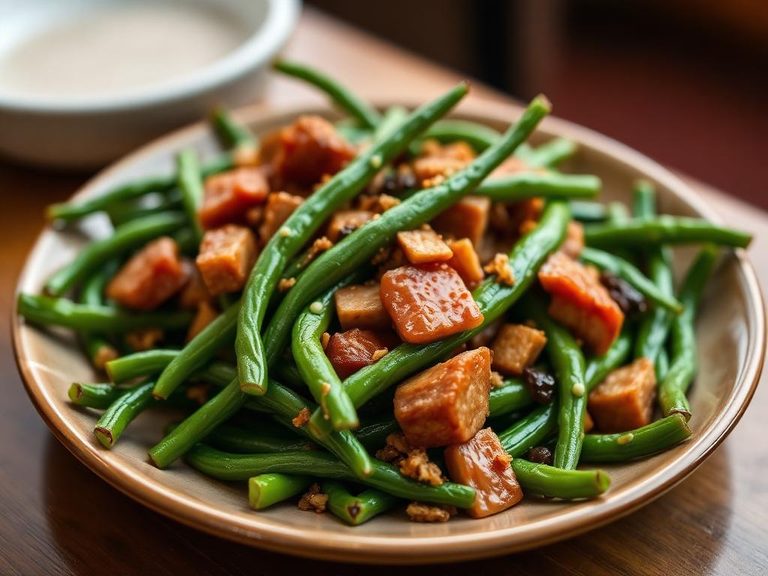
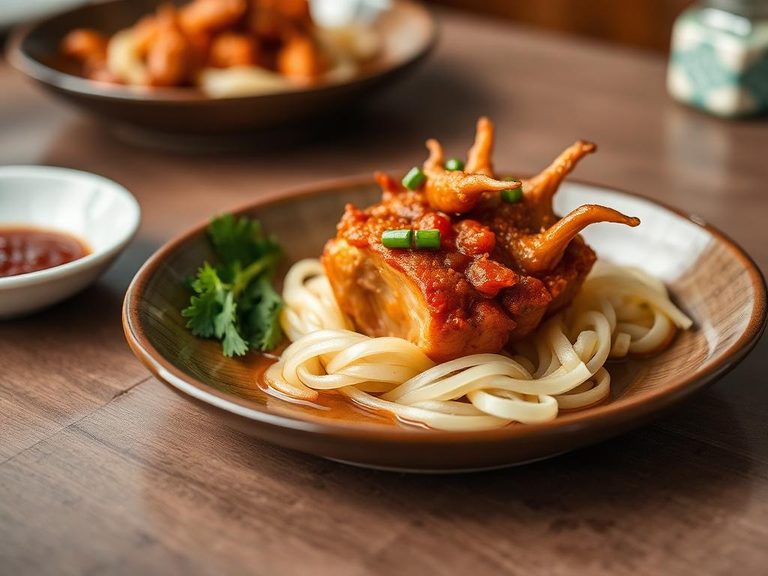
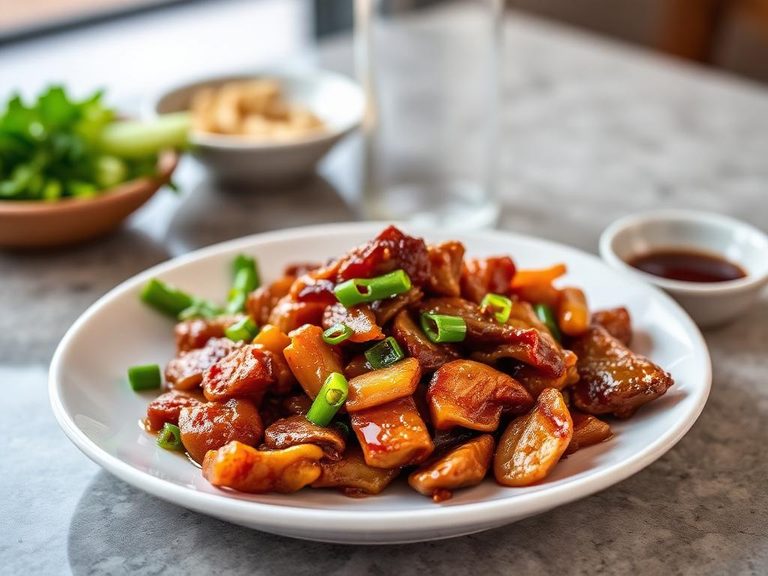
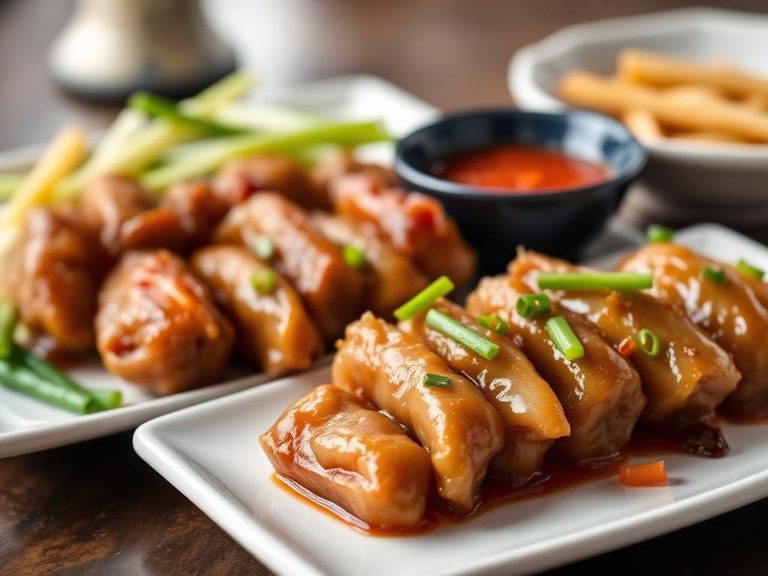
Sichuan-style Braised Pork Lung
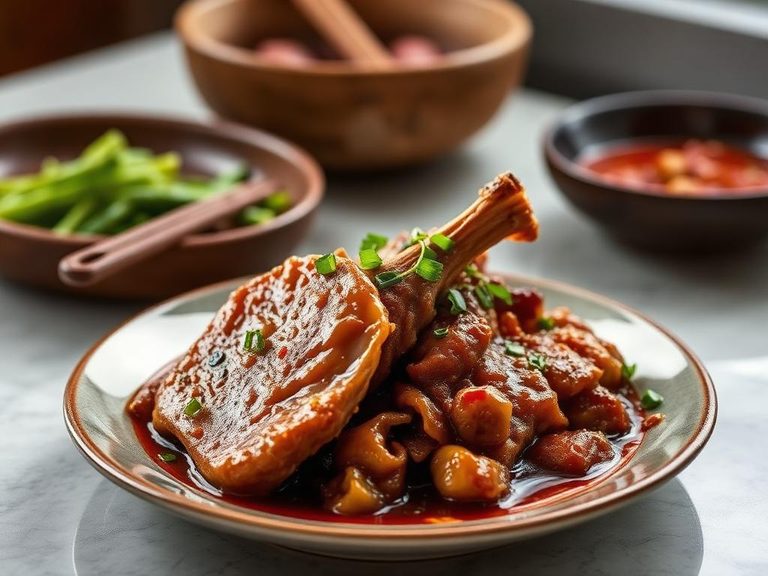
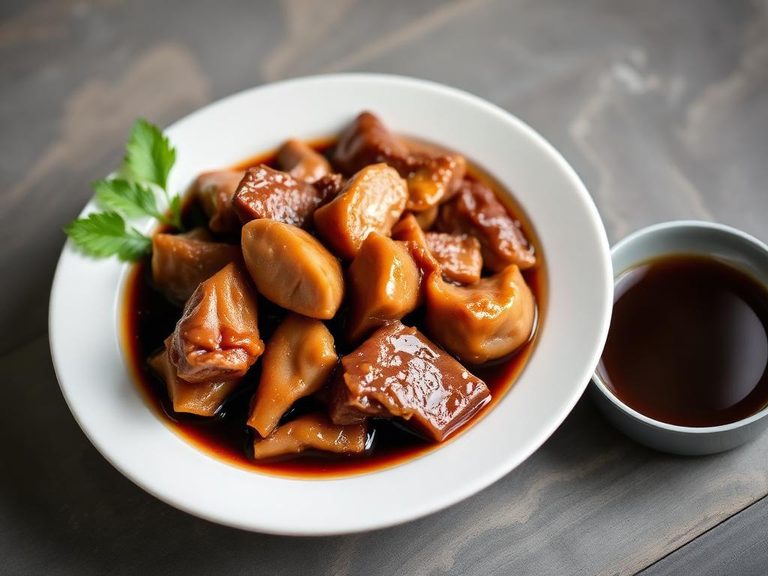
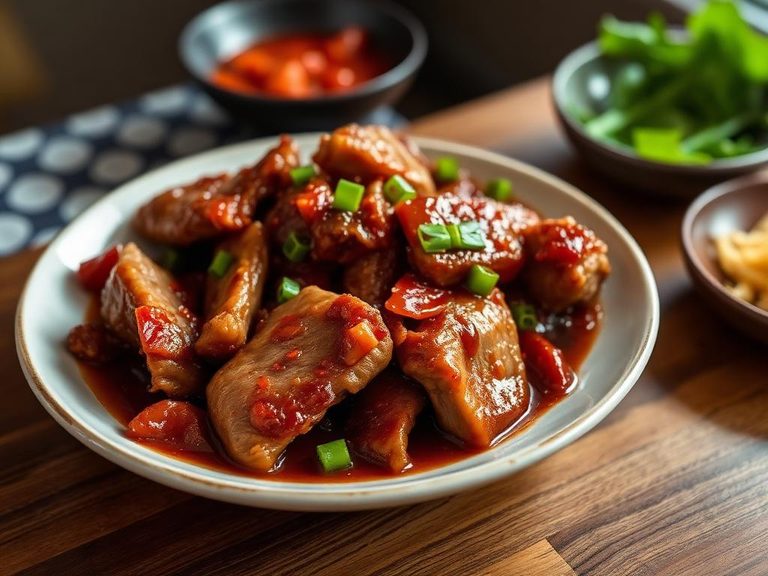
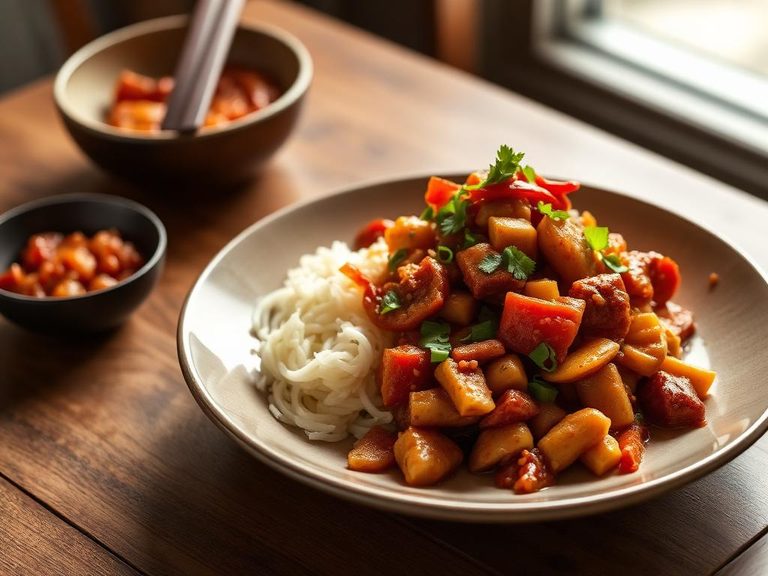
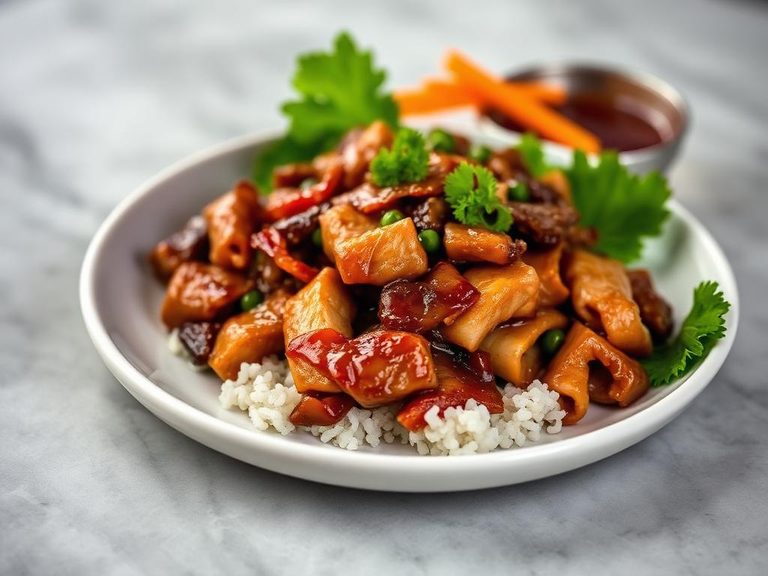
Sichuan-style Braised Pork Lung is a classic dish from Sichuan cuisine, featuring pork lungs braised in a rich, spicy, and savory sauce. The dish typically includes ingredients like pork lungs, doubanjiang (fermented bean paste), Sichuan peppercorns, soy sauce, and various aromatics like ginger, garlic, and star anise. It is known for its bold, numbing-spicy (málà) flavor profile and is often served as a cold appetizer or hot main dish.
🍽️ Nutrition at a glance
This dish is primarily high in protein and fat, with minimal carbohydrates, as it focuses on organ meat and braising liquids rather than starches. A serving provides a good source of iron, B vitamins (especially B12), and selenium, with a rough calorie estimate of 250-350 kcal per 150g serving, depending on the amount of oil and sauce used.
Nutrition breakdown
| Calories | 300 kcal |
| Protein | 20 g |
| Carbs | 5 g |
| Fat | 22 g |
| Fiber | 1 g |
| Sugar | 2 g |
| Sodium | 800 mg |
| Iron | 4.5 mg |
| Vitamin B12 | 12 µg |
| Selenium | 28 µg |
| Zinc | 3.2 mg |
| Phosphorus | 220 mg |
| Copper | 0.3 mg |
| Niacin (B3) | 6 mg |
| Riboflavin (B2) | 0.4 mg |
Per 1 cup (150 g) · estimated, varies by recipe
💡 What's interesting
Culturally, pork lung dishes are valued in Chinese cuisine for their unique texture and ability to absorb complex flavors, reflecting a tradition of using every part of the animal. Nutritionally, pork lungs are low in calories compared to other meats but rich in heme iron, which is highly bioavailable, making them a nutritious choice in moderation.