Cracker-based pie crust
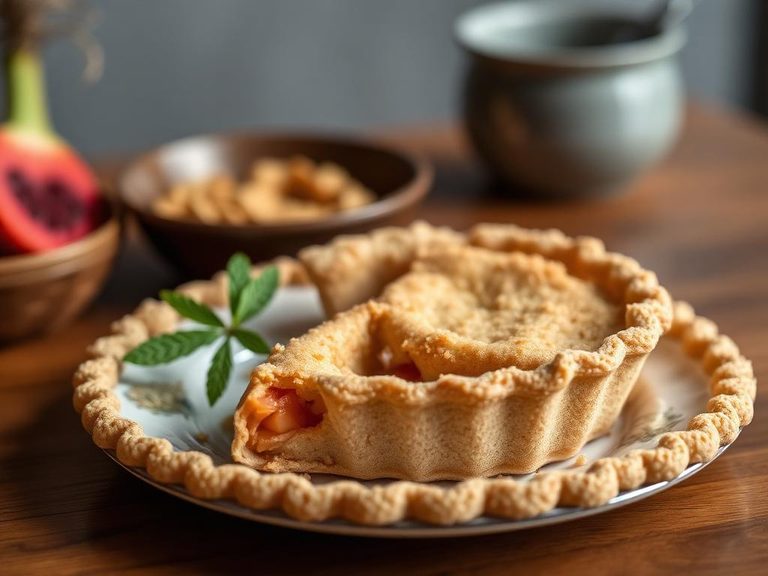
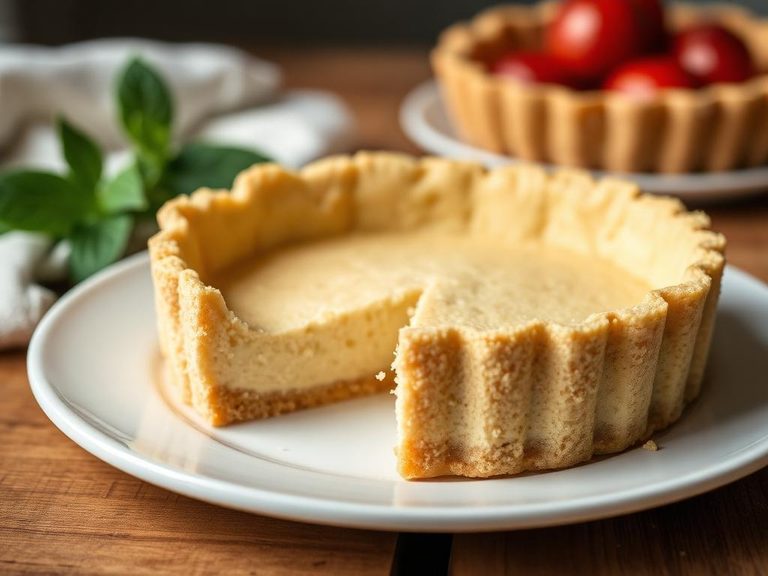
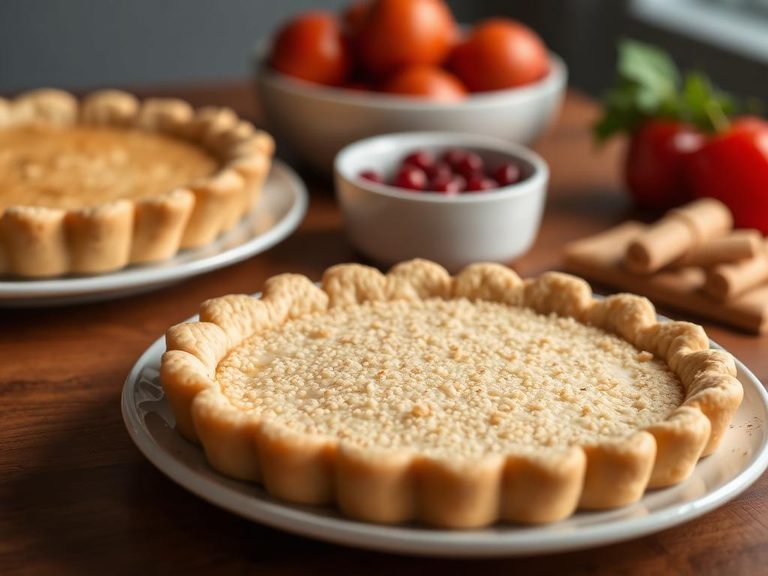
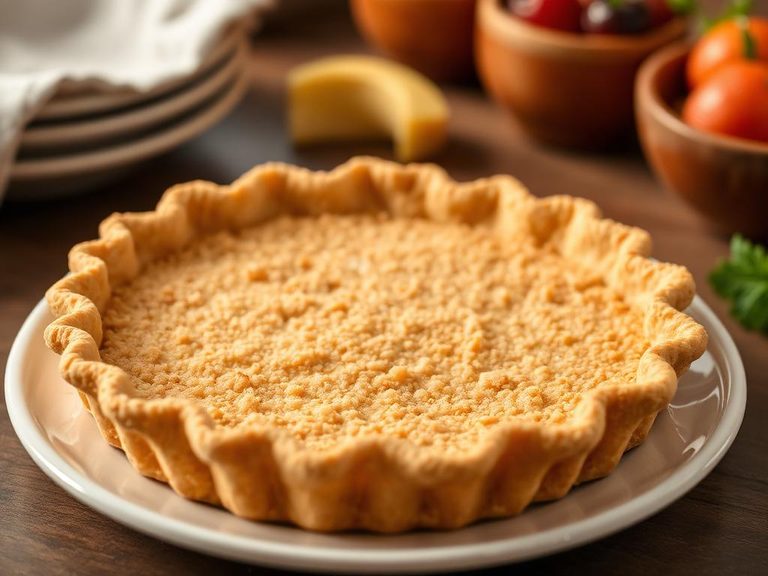
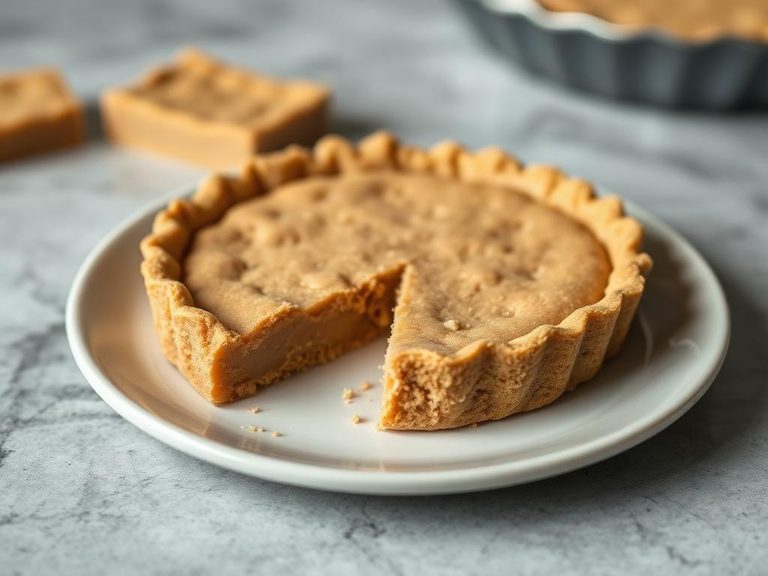
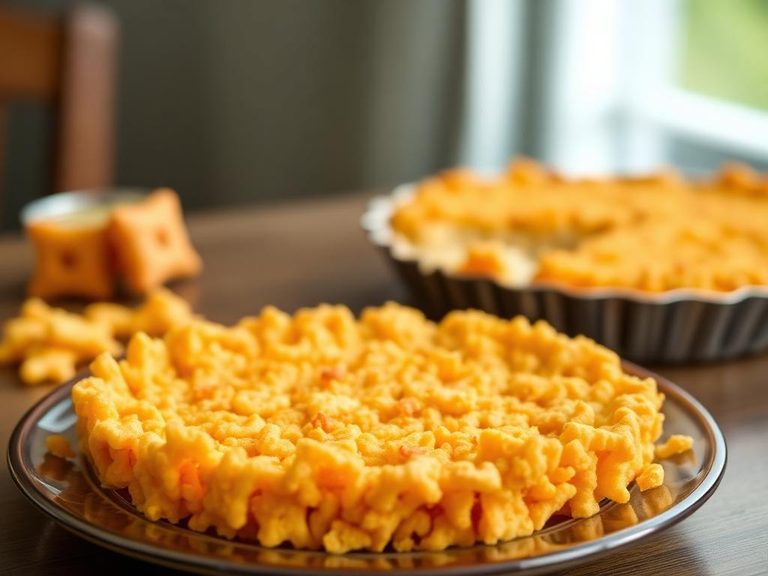
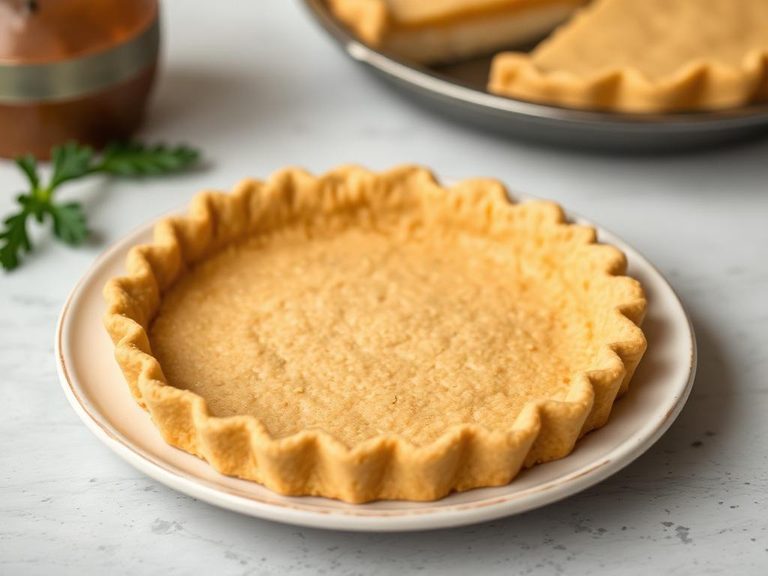
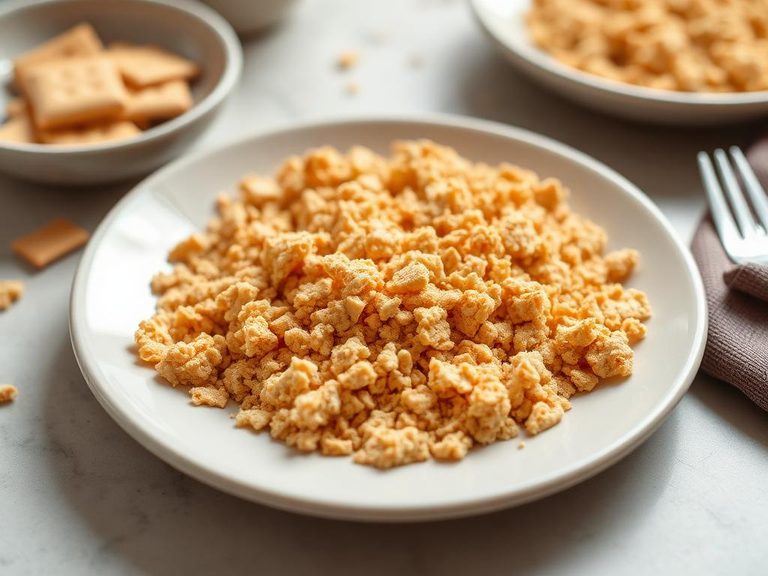
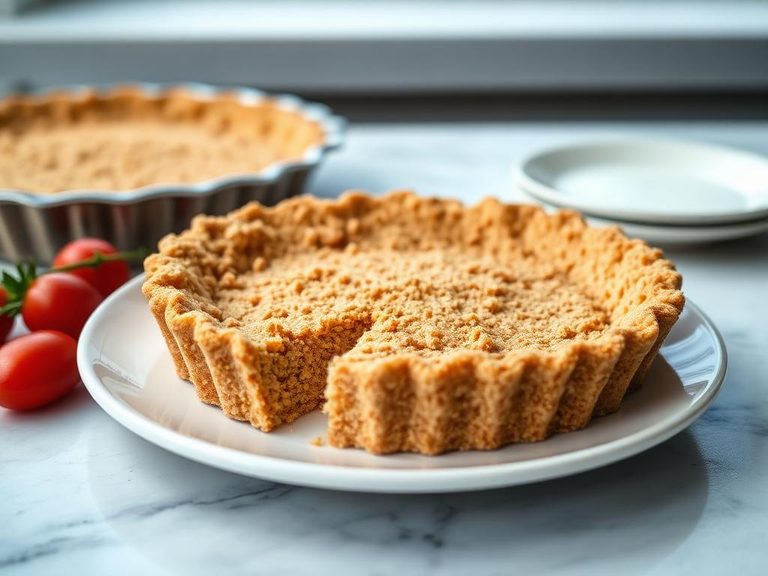
A cracker-based pie crust is a simple, no-bake or lightly baked alternative to traditional pastry crusts, typically made from crushed savory crackers (like saltines or graham crackers) mixed with melted butter or oil and sometimes sugar or spices. It originated in American home cooking as a quick, budget-friendly shortcut for pies and cheesecakes, offering a crisp, buttery texture with a slightly salty or sweet flavor depending on the cracker used.
🍽️ Nutrition at a glance
This crust is high in carbohydrates and fat, with moderate sodium, providing quick energy but limited protein or fiber. A typical serving contains roughly 150-200 calories, primarily from refined grains and added fats.
Nutrition breakdown
| Calories | 160 kcal |
| Protein | 2 g |
| Carbs | 18 g |
| Fat | 9 g |
| Fiber | 1 g |
| Sugar | 2 g |
| Sodium | 290 mg |
| Iron | 1.2 mg |
| Thiamin (B1) | 0.15 mg |
| Niacin (B3) | 1.8 mg |
| Folate | 30 mcg |
| Selenium | 5 mcg |
| Manganese | 0.3 mg |
| Phosphorus | 45 mg |
| Copper | 0.05 mg |
Per 1/8 of a 9-inch crust (about 30 g) · estimated, varies by recipe
💡 What's interesting
Culturally, it represents mid-20th century American convenience cooking, turning pantry staples into dessert foundations. Nutritionally, it's a notable source of sodium and refined carbs, often used to add a savory contrast in sweet pies like key lime or chocolate cream.