Cocktail rim
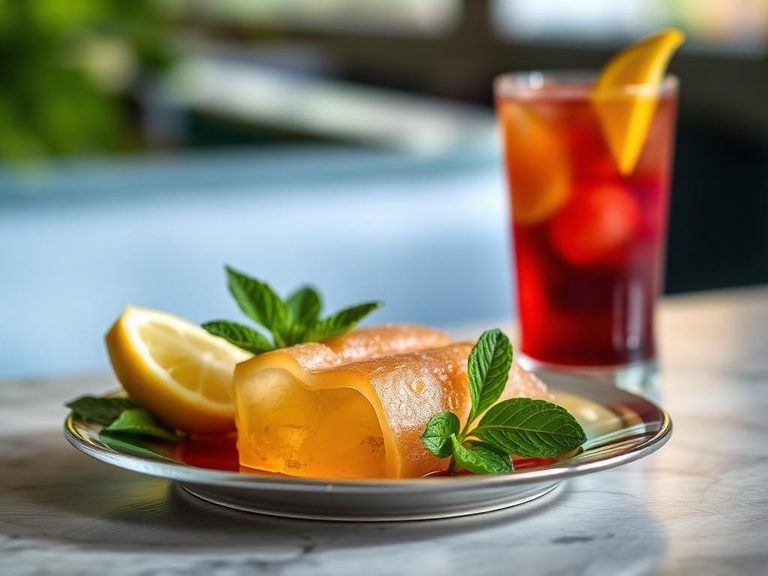
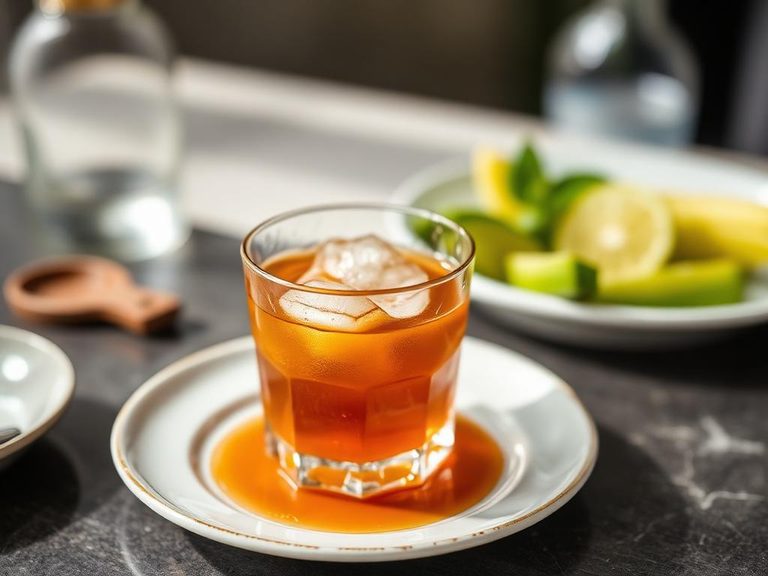
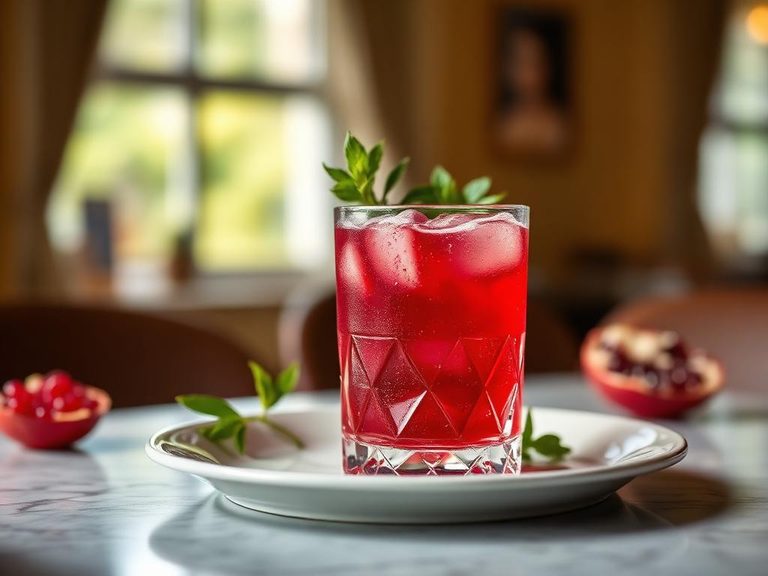
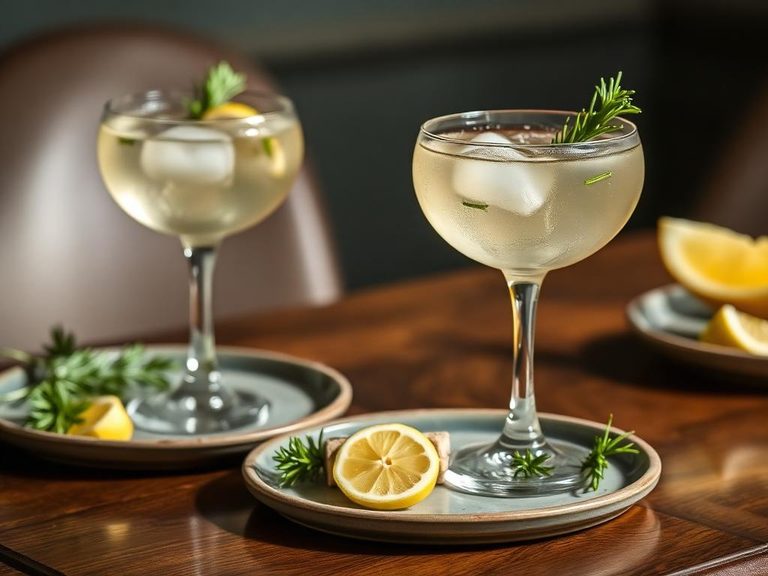
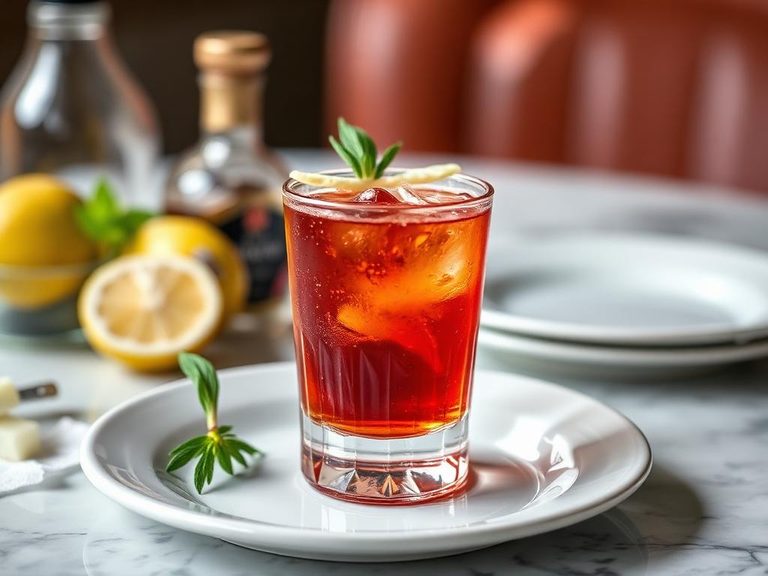
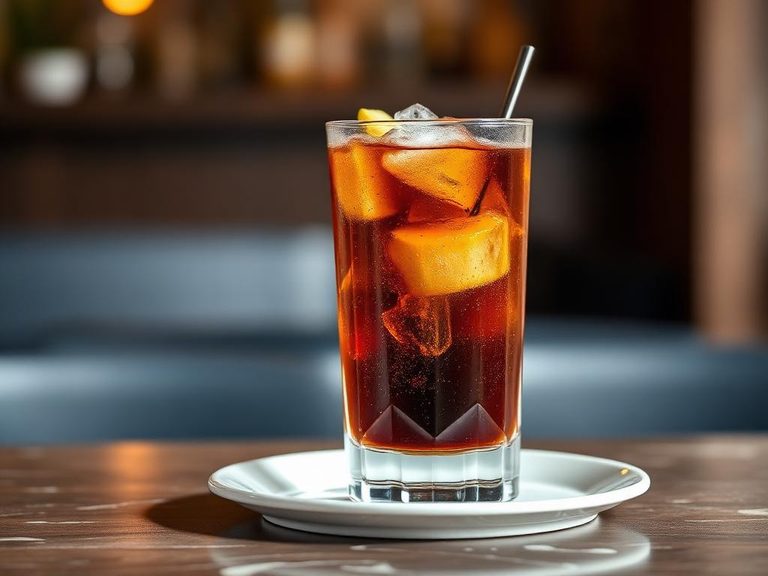
A cocktail rim is the decorative and flavorful coating applied to the edge of a glass before serving a drink like a Mai Tai or Planter's Punch. It's typically made by moistening the rim with citrus juice (like lime or lemon) and then dipping it into a mixture of salt, sugar, or spices. This technique originated in the Americas and is a signature presentation element in tropical and tiki cocktail culture.
🍽️ Nutrition at a glance
As a garnish, a cocktail rim is very low in calories and macronutrients, contributing negligible fat and protein. Its primary nutritional component is simple carbohydrates from sugar or sodium from salt, depending on the recipe, adding roughly 10-30 calories per serving.
Nutrition breakdown
| Calories | 20 kcal |
| Protein | 0 g |
| Carbs | 5 g |
| Fat | 0 g |
| Fiber | 0 g |
| Sugar | 4 g |
| Sodium | 150 mg |
| Sodium | 150 mg |
| Carbohydrates | 5 g |
| Sugars | 4 g |
| Calcium | 1 mg |
| Iron | 0.1 mg |
Per 1 typical cocktail rim (approx. 5 g) · estimated, varies by recipe
💡 What's interesting
Culturally, the rim serves both a practical and aesthetic purpose: it can balance the drink's sweetness or acidity with a contrasting salty or sweet note, and it instantly signals a specific cocktail style, like the salt rim of a Margarita or the sugar rim of a Sidecar. Nutritionally, it's a prime example of how presentation can influence flavor perception without significantly altering the drink's core nutritional profile.