Burbot cakes
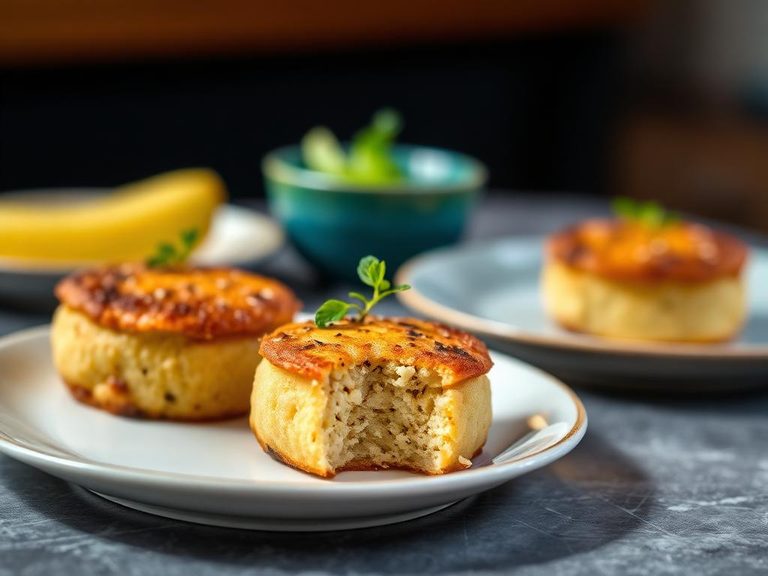
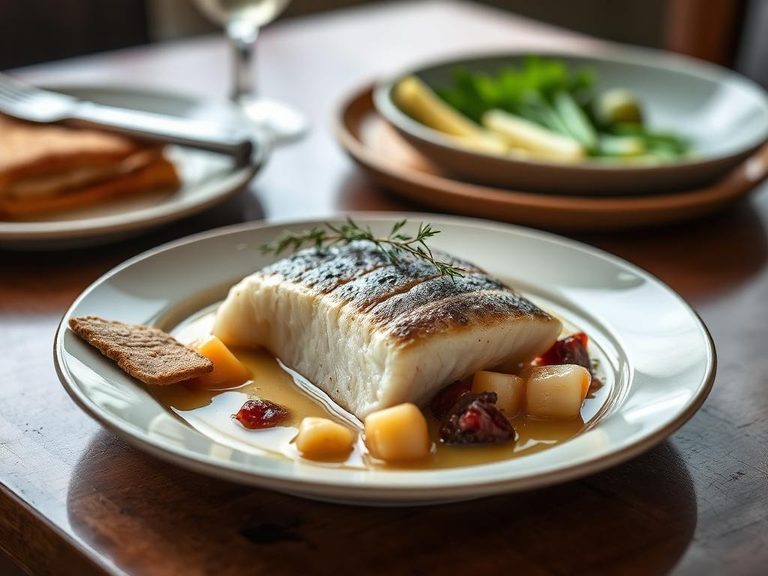
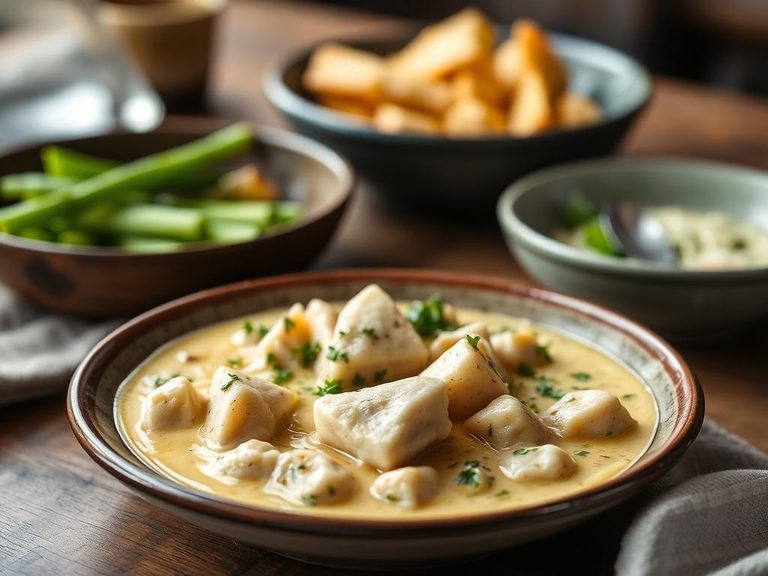
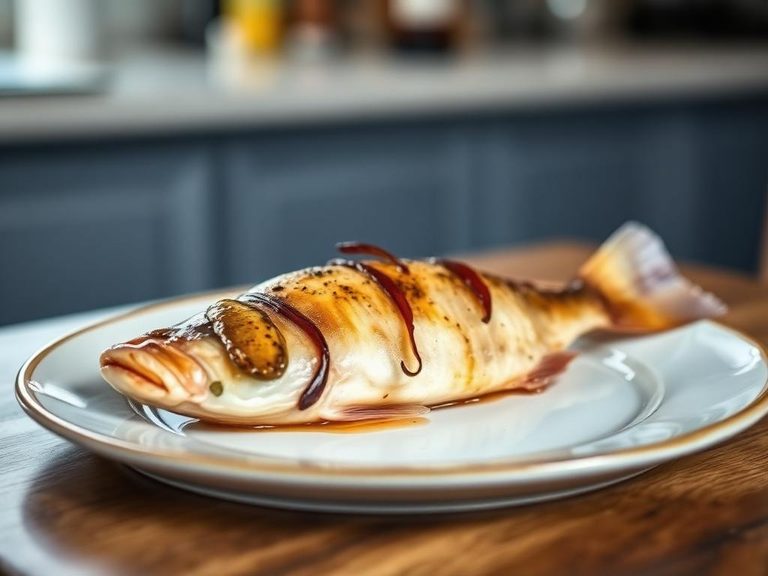
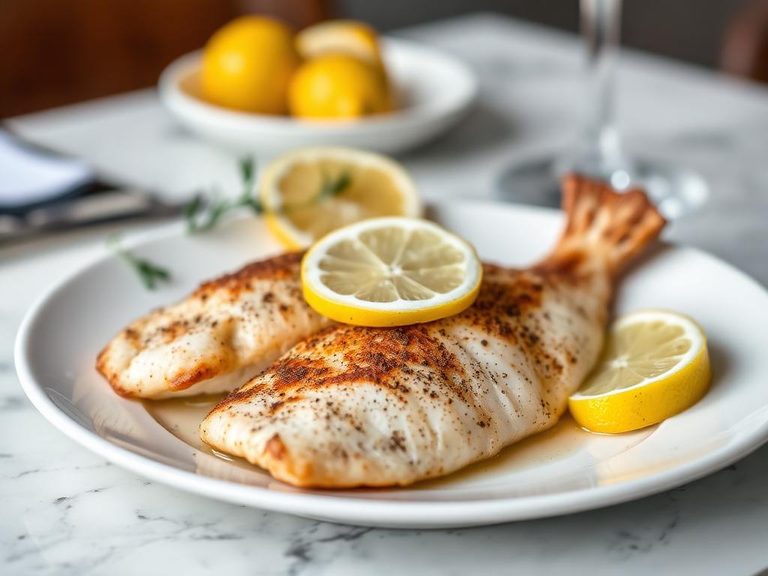
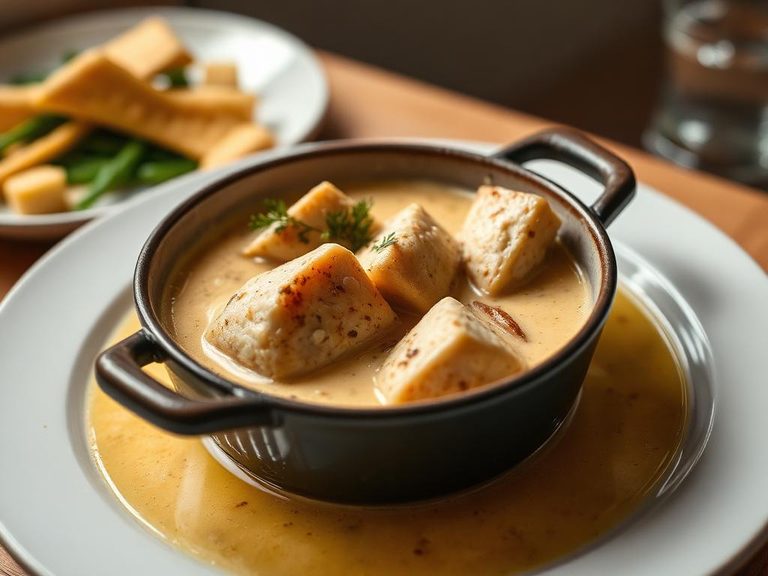
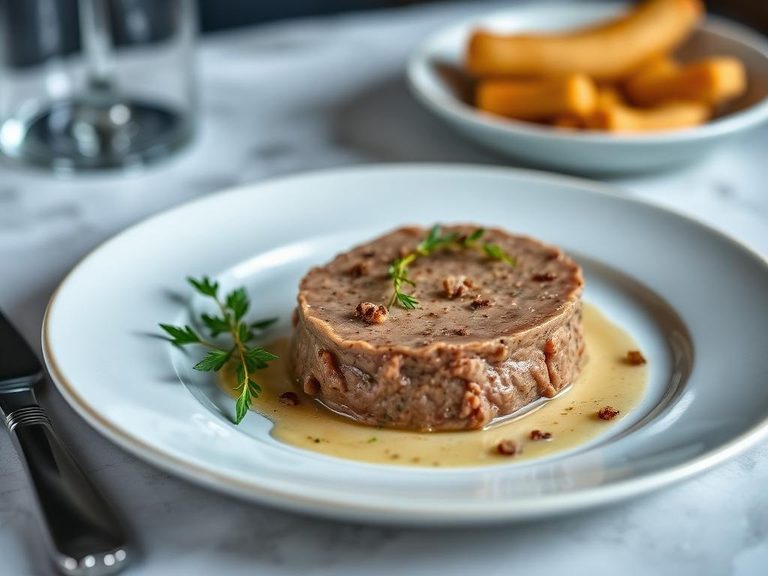
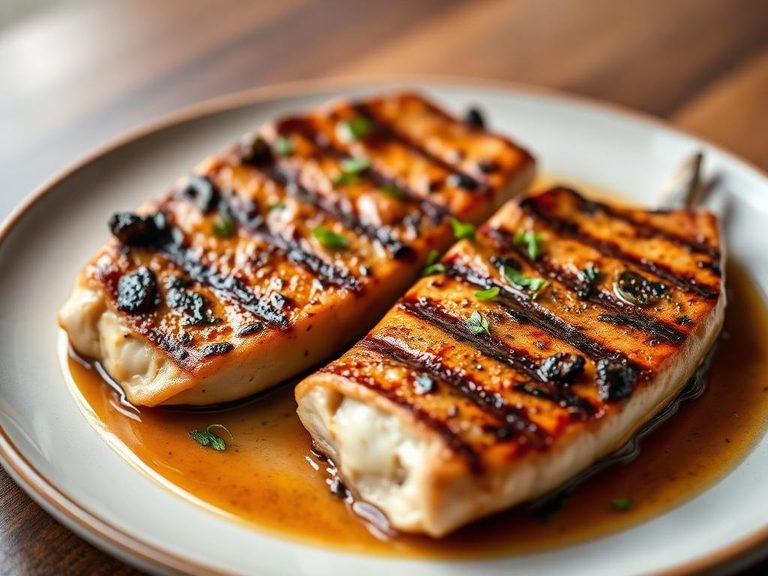
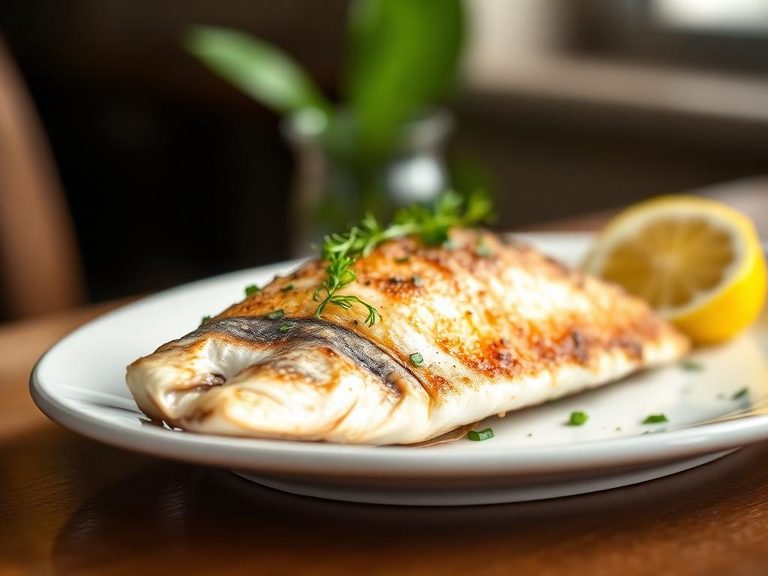
Burbot cakes are savory patties made from the flaky, mild-flavored meat of the burbot fish, a freshwater species found in cold rivers and lakes across the Northern Hemisphere. The fish is typically mixed with binders like breadcrumbs or mashed potato, onions, and herbs, then pan-fried until golden. This dish is particularly associated with traditional cuisines in Russia, Scandinavia, and parts of North America where burbot is abundant.
🍽️ Nutrition at a glance
These cakes are a high-protein, moderate-fat dish, with the fish providing lean protein and omega-3 fatty acids. A typical serving offers a good source of phosphorus, selenium, and B vitamins, with a calorie range of approximately 250-350 kcal depending on the recipe and cooking method.
Nutrition breakdown
| Calories | 290 kcal |
| Protein | 22 g |
| Carbs | 15 g |
| Fat | 16 g |
| Fiber | 1 g |
| Sugar | 2 g |
| Sodium | 420 mg |
| Phosphorus | 220 mg |
| Selenium | 35 µg |
| Vitamin B12 | 2.5 µg |
| Niacin (B3) | 4.8 mg |
| Omega-3 (EPA+DHA) | 0.5 g |
| Potassium | 310 mg |
| Magnesium | 28 mg |
| Vitamin D | 1.2 µg |
Per 2 cakes (150 g) · estimated, varies by recipe
💡 What's interesting
Burbot is often called the 'poor man's lobster' due to its firm, sweet flesh when cooked, making it a unique and underutilized freshwater fish. Nutritionally, burbot liver is exceptionally rich in vitamins A and D, and historically, it was a traditional winter food source for many indigenous and rural communities.