British Roast Lamb
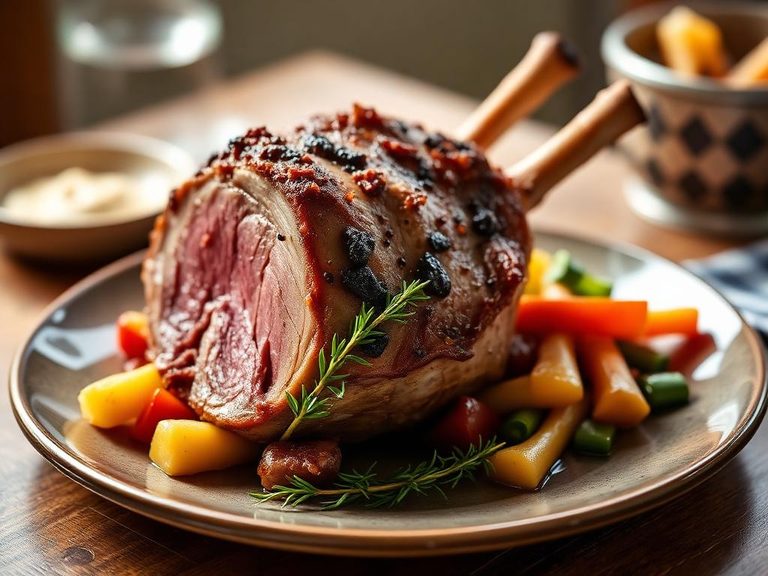
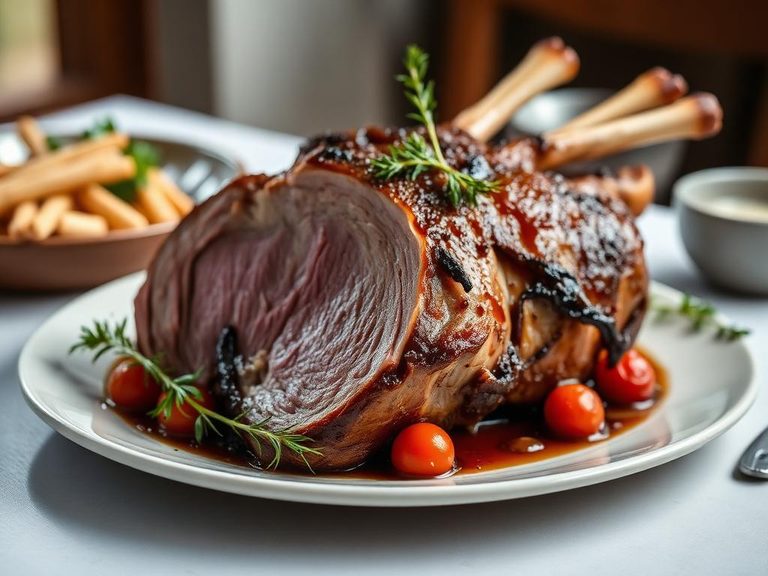
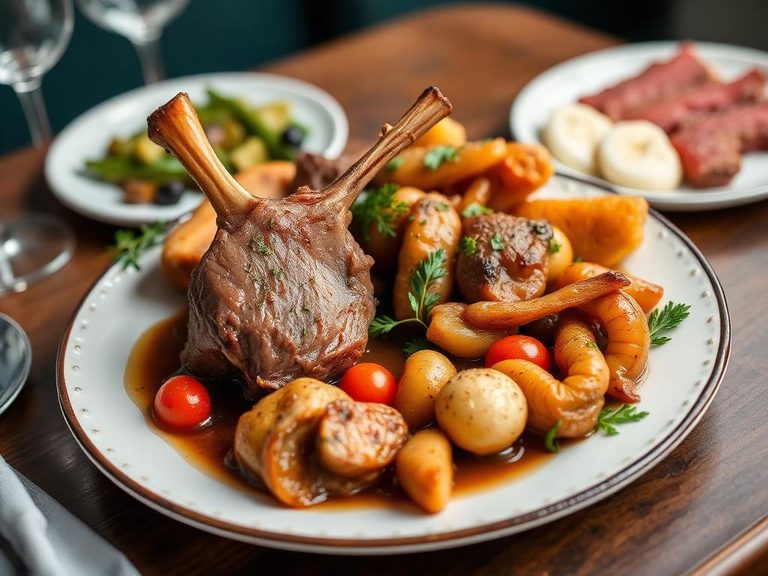
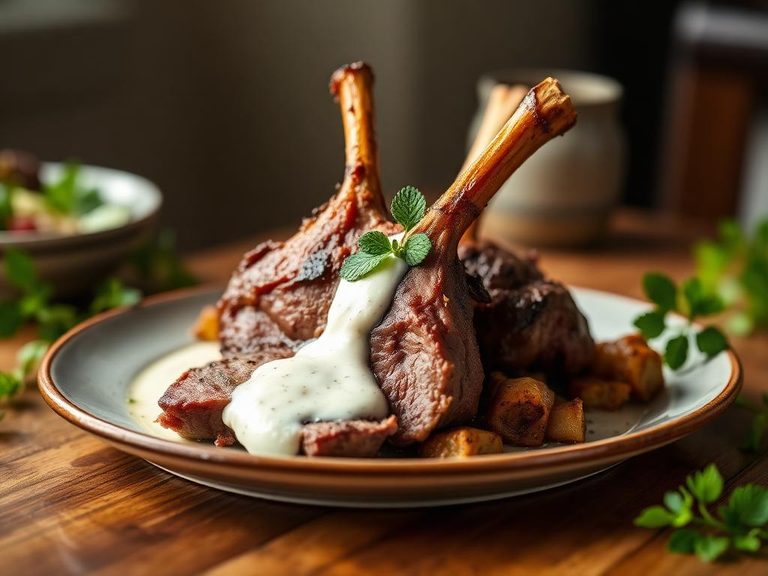
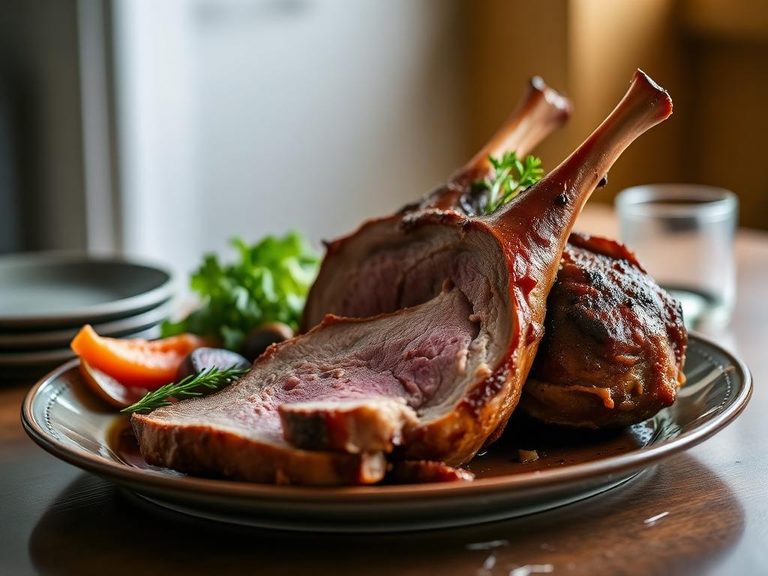
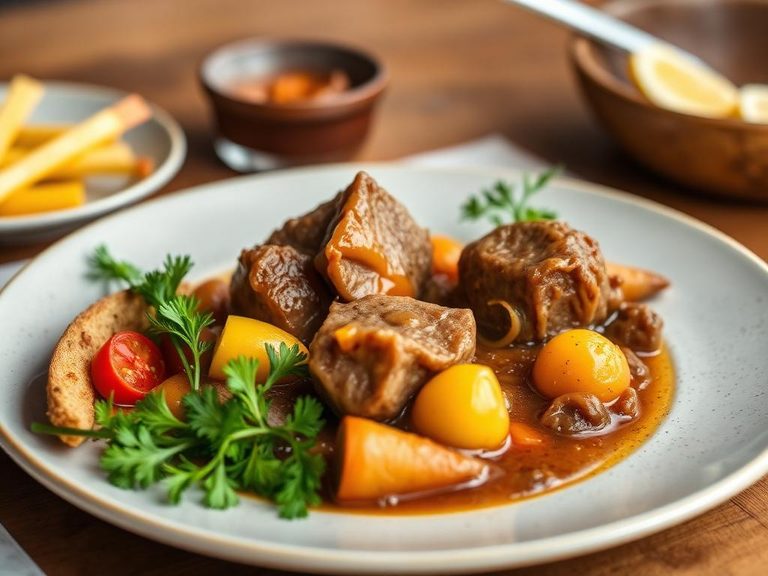
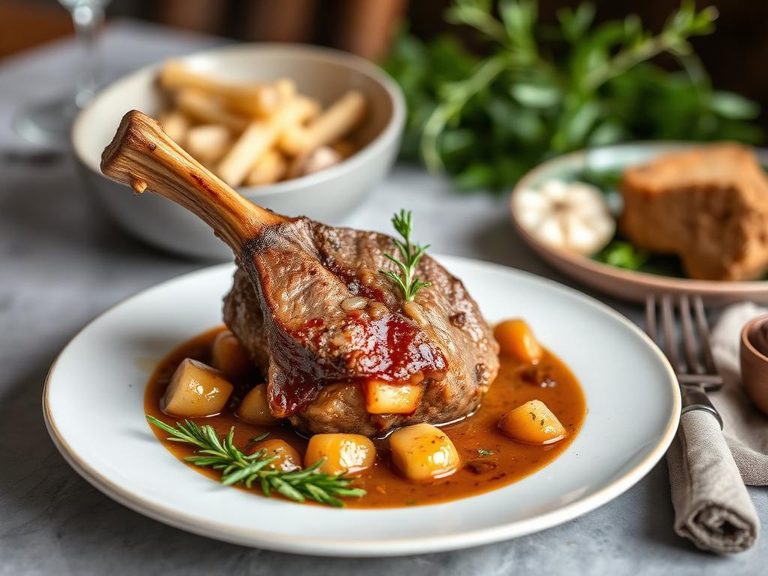
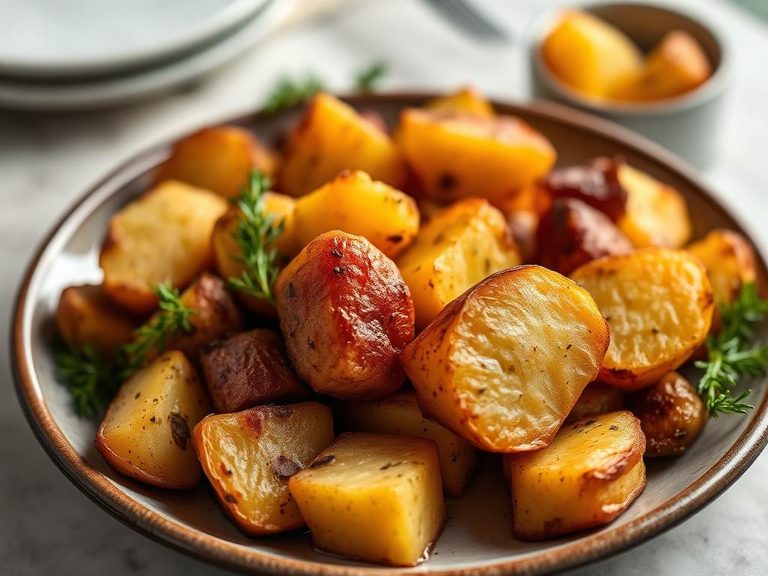
British Roast Lamb is a traditional Sunday roast centerpiece, typically featuring a leg or shoulder of lamb roasted with herbs like rosemary and garlic, often served with roasted potatoes, vegetables, and gravy. It is a quintessential dish from the United Kingdom, deeply rooted in British culinary heritage and often associated with family gatherings and special occasions like Easter.
🍽️ Nutrition at a glance
This dish is primarily high in protein and fat, with minimal carbohydrates unless served with starchy sides like potatoes. It provides key nutrients such as iron, zinc, and B vitamins (especially B12), with a typical serving (around 150-200g of meat) containing roughly 350-500 calories, depending on the cut and preparation.
Nutrition breakdown
| Calories | 450 kcal |
| Protein | 38 g |
| Carbs | 12 g |
| Fat | 28 g |
| Fiber | 2 g |
| Sugar | 4 g |
| Sodium | 680 mg |
| Iron | 4.5 mg |
| Zinc | 6.8 mg |
| Vitamin B12 | 3.2 µg |
| Niacin (B3) | 9.5 mg |
| Phosphorus | 290 mg |
| Potassium | 420 mg |
| Vitamin B6 | 0.4 mg |
| Selenium | 38 µg |
Per 1 serving (280 g) · estimated, varies by recipe
💡 What's interesting
Culturally, British Roast Lamb is a symbol of tradition and comfort, often featured in literature and media as part of the idealized Sunday lunch. Nutritionally, lamb is one of the richest sources of conjugated linoleic acid (CLA), a fatty acid studied for potential health benefits, and its iron is more easily absorbed than from many plant sources.