

Breadstick soup garnish
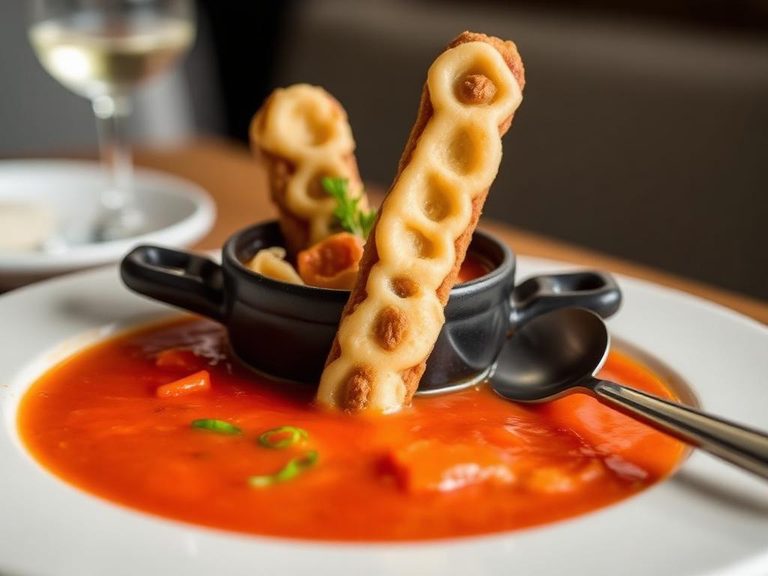
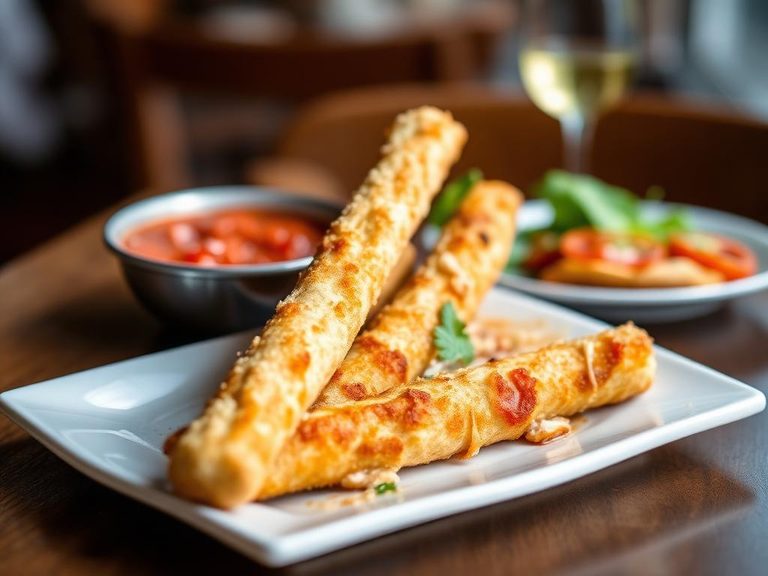
Breadstick soup garnish is not a standalone dish, but a creative and textural topping for soups, typically made from toasted or fried pieces of breadstick, often seasoned with herbs, garlic, or cheese. It originates from Italian-American cuisine, where it repurposes the classic breadstick into a crunchy, flavorful accent for minestrone, tomato soup, or broth-based dishes.
🍽️ Nutrition at a glance
This garnish is primarily a source of carbohydrates for quick energy, with added fat if fried or tossed in oil, and a modest amount of protein from the wheat. A typical serving (about 1/4 cup) might contribute around 80-120 calories, with key nutrients being simple carbs and small amounts of iron and B vitamins from the enriched flour.
Nutrition breakdown
| Calories | 35 kcal |
| Protein | 1 g |
| Carbs | 6 g |
| Fat | 0.8 g |
| Fiber | 0.3 g |
| Sugar | 0.5 g |
| Sodium | 80 mg |
| Iron | 0.4 mg |
| Calcium | 10 mg |
| Potassium | 15 mg |
| Thiamin (B1) | 0.05 mg |
| Niacin (B3) | 0.6 mg |
| Folate | 10 µg |
| Magnesium | 3 mg |
| Phosphorus | 15 mg |
Per 1 breadstick (10 g) · estimated, varies by recipe
💡 What's interesting
Culturally, it's a clever example of culinary upcycling, turning a common side item into a functional garnish that adds texture and depth. Nutritionally, it highlights how simple, processed foods can be repurposed to enhance a meal's sensory appeal, though it offers limited nutritional density compared to whole-food toppings.
🍽️ Related dishes




AI estimate may be inaccurate · Terms