

Bread and tea
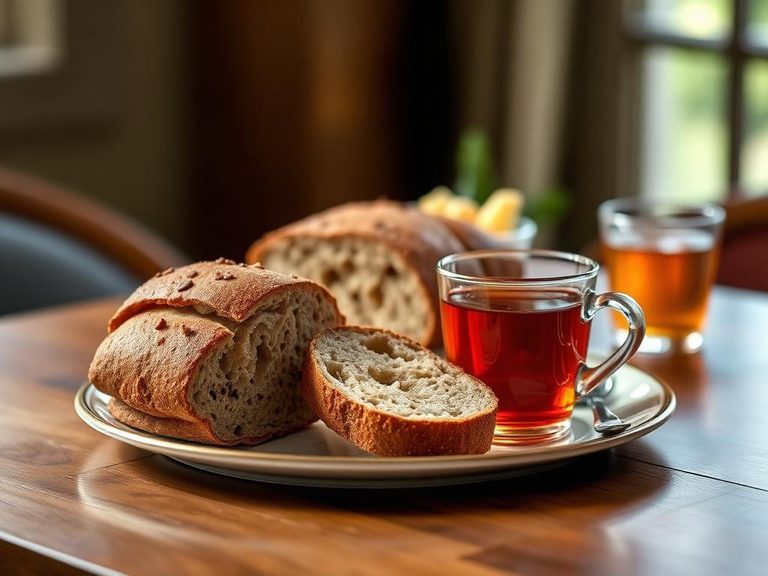
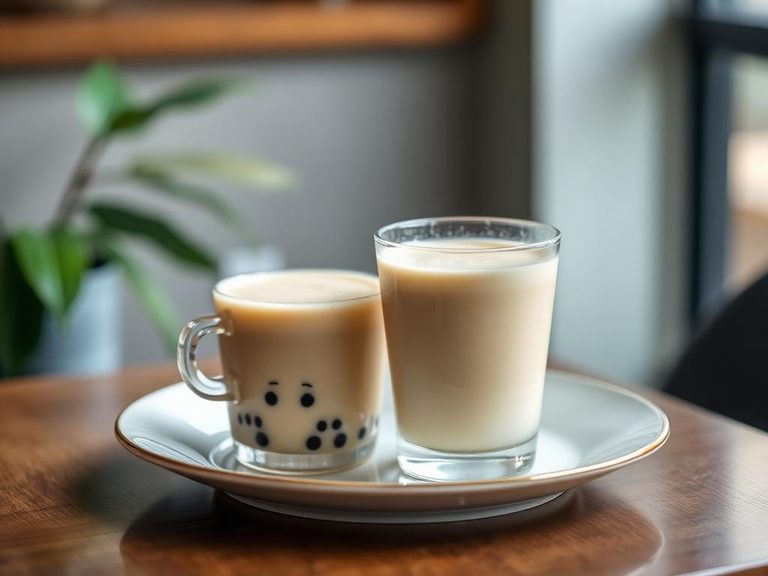
Bread and tea is a simple, traditional meal or snack common in many cultures, particularly in parts of Europe, the Middle East, and Asia. It typically consists of a piece of bread (often plain or slightly toasted) served alongside a cup of brewed tea, sometimes with added milk or sugar. The combination is valued for its simplicity, affordability, and comforting qualities.
🍽️ Nutrition at a glance
This dish is primarily a source of carbohydrates from the bread, providing quick energy, with minimal protein and fat unless additions like butter or milk are included. A basic serving offers a modest calorie intake, roughly 150-250 kcal, along with small amounts of B vitamins and minerals from the bread and tea.
Nutrition breakdown
| Calories | 180 kcal |
| Protein | 4 g |
| Carbs | 34 g |
| Fat | 2 g |
| Fiber | 2 g |
| Sugar | 3 g |
| Sodium | 200 mg |
| Manganese | 0.6 mg |
| Selenium | 12 mcg |
| Niacin (B3) | 2 mg |
| Thiamin (B1) | 0.2 mg |
| Folate | 40 mcg |
| Iron | 2 mg |
| Potassium | 100 mg |
| Fluoride | 0.3 mg |
Per 1 slice of bread (50 g) + 1 cup of black tea (240 ml) · estimated, varies by recipe
💡 What's interesting
Culturally, 'bread and tea' represents sustenance and hospitality in many societies, often symbolizing a welcome gesture or a humble daily ritual. Nutritionally, the tannins in tea can slightly inhibit iron absorption from the bread, making it a less ideal pairing for those with iron deficiency.
🍽️ Related dishes




AI estimate may be inaccurate · Terms