

Bosnian Coffee
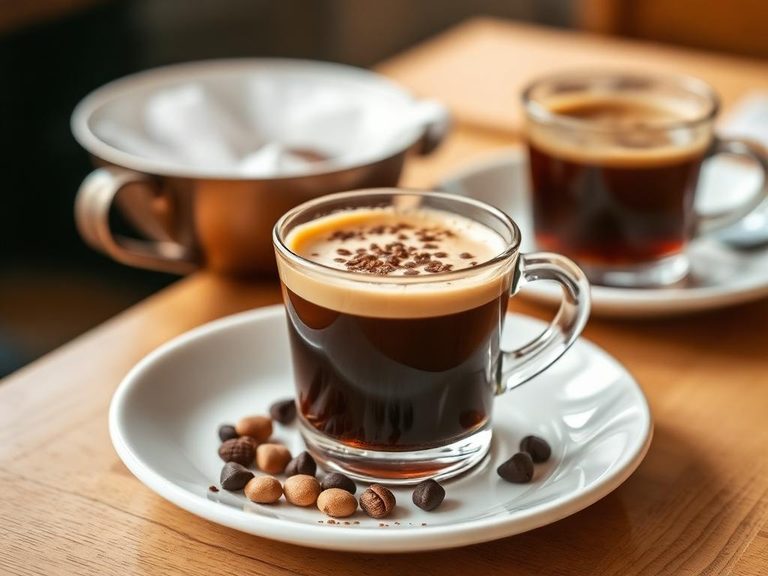
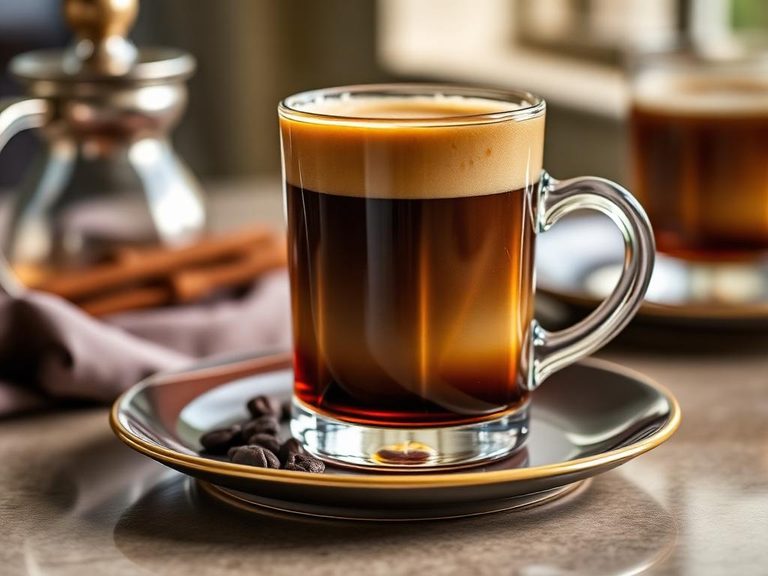
Bosnian coffee, known locally as 'bosanska kafa,' is a traditional method of preparing and serving coffee that is central to Bosnian social life. It involves simmering finely ground coffee beans with water and often sugar in a special long-handled pot called a 'džezva,' and is served unfiltered in small cups, accompanied by a glass of water and a piece of Turkish delight.
🍽️ Nutrition at a glance
A typical serving is very low in macronutrients like carbs, fat, and protein, providing primarily a small amount of caffeine and antioxidants. The calorie count is minimal, usually under 10 calories per serving without added sugar.
Nutrition breakdown
| Calories | 2 kcal |
| Protein | 0.3 g |
| Carbs | 0 g |
| Fat | 0 g |
| Fiber | 0 g |
| Sugar | 0 g |
| Sodium | 5 mg |
| Potassium | 116 mg |
| Magnesium | 7 mg |
| Niacin (B3) | 0.5 mg |
| Riboflavin (B2) | 0.01 mg |
| Pantothenic Acid (B5) | 0.1 mg |
| Manganese | 0.05 mg |
| Copper | 0.01 mg |
| Phosphorus | 3 mg |
Per 1 cup (240 g) · estimated, varies by recipe
💡 What's interesting
The ritual of preparing and drinking Bosnian coffee is a cornerstone of hospitality and conversation in Bosnia and Herzegovina, often taking an hour or more. The unfiltered method allows the coffee grounds to settle at the bottom of the cup, creating a distinct, rich experience that is as much about the social connection as it is about the beverage itself.
🍽️ Related dishes
AI estimate may be inaccurate · Terms