Boiled or stewed with other meats
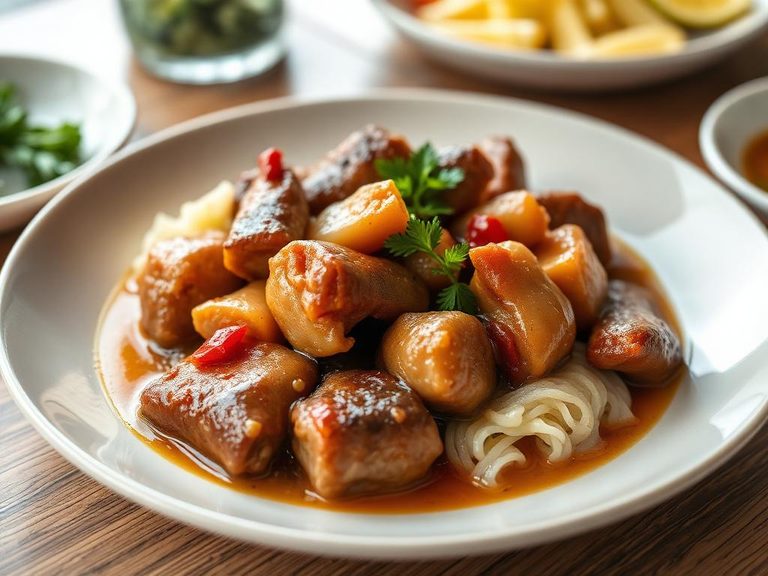
This is a broad category of dishes where various meats (like beef, pork, lamb, or poultry) are simmered or boiled in a flavorful broth, often with vegetables, herbs, and spices. It is a fundamental cooking method found in cuisines worldwide, from Chinese red-braised pork to European pot-au-feu and Latin American sancocho. The core concept is slow, moist-heat cooking to tenderize the meat and create a rich, savory broth.
🍽️ Nutrition at a glance
These dishes are typically high in protein from the meat and can vary in fat content depending on the cut used. They are generally low in carbohydrates unless starchy vegetables or noodles are added to the broth, and they provide essential minerals like iron and zinc from the meat.
Nutrition breakdown
| Calories | 320 kcal |
| Protein | 32 g |
| Carbs | 8 g |
| Fat | 16 g |
| Fiber | 2 g |
| Sugar | 3 g |
| Sodium | 680 mg |
| Iron | 3.5 mg |
| Zinc | 6.2 mg |
| Potassium | 420 mg |
| Phosphorus | 250 mg |
| Niacin (B3) | 8.5 mg |
| Vitamin B12 | 2.8 mcg |
| Selenium | 28 mcg |
| Choline | 95 mg |
Per 1.5 cups (350 g) · estimated, varies by recipe
💡 What's interesting
This method of cooking is a universal culinary technique born from practicality—it tenderizes tougher, more economical cuts of meat and stretches them into a nourishing, communal meal. The resulting broth is often prized as much as the meat itself, valued for its deep flavor and perceived restorative properties in many cultures.
🍽️ Related dishes
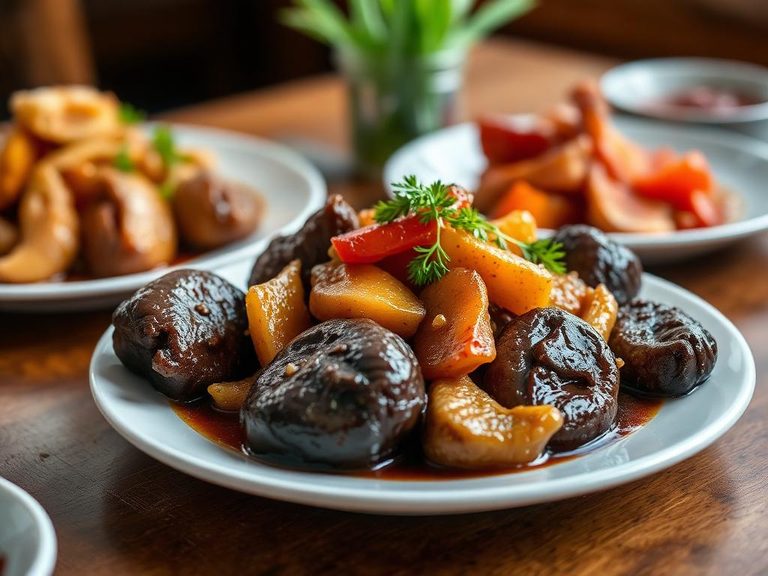 Stewed with other seal parts
 Baklava or other pastries
 With peanut butter or other nut butters
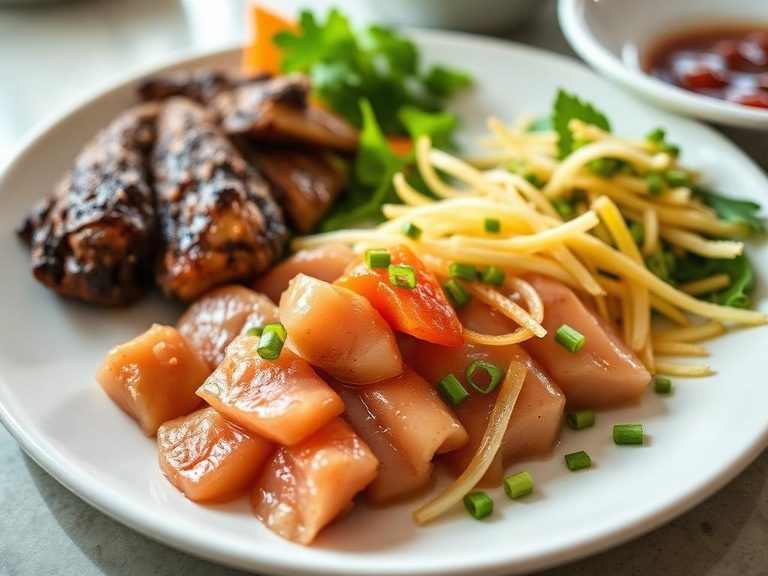 Consumed raw with other traditional foods
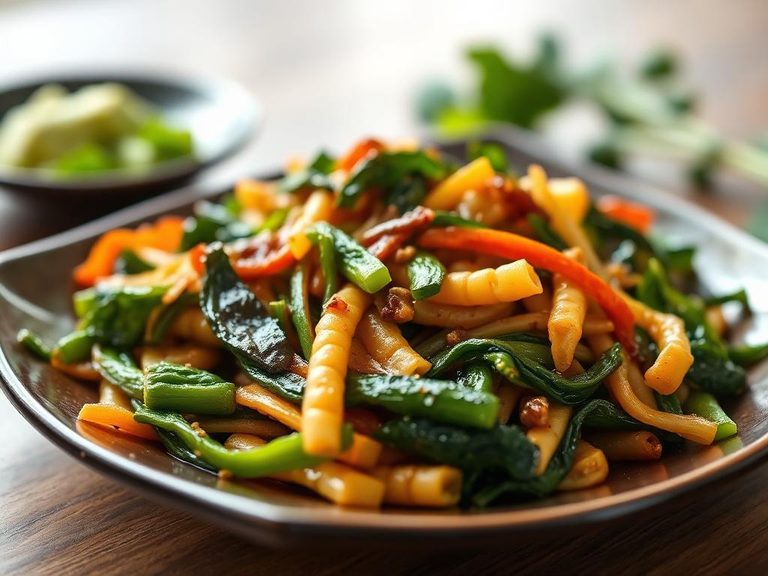 Stir-fried with other greens and seasonings
 Strudel with cherries or other fruits
 Blended with other fruit purées for variety
 Blended into a smoothie with other fruits and yogurt