

Boiled Dumplings
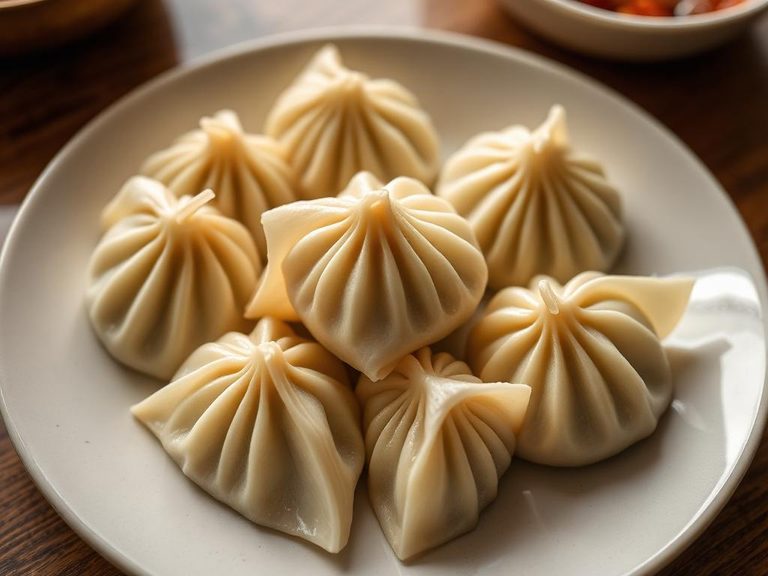
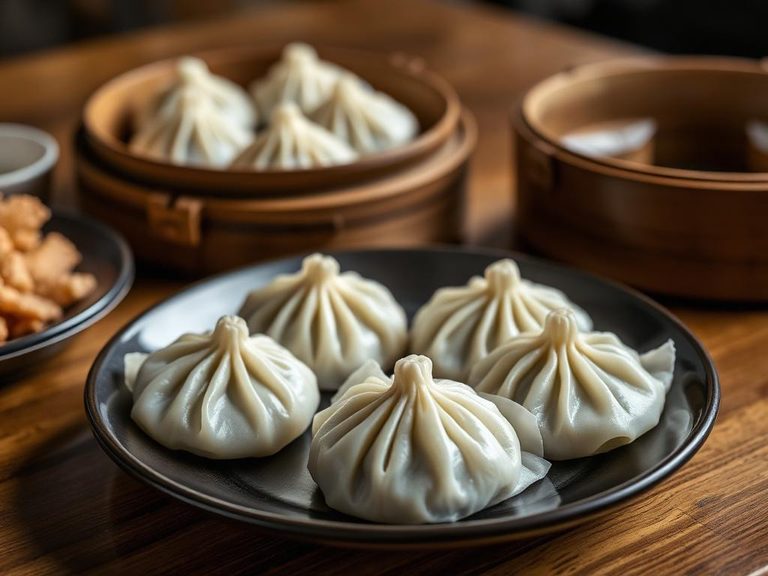
Shui Jiao, or boiled dumplings, are a beloved staple of Chinese cuisine, consisting of a thin, unleavened dough wrapper filled with a savory mixture of minced meat (often pork) and vegetables like cabbage or chives. These delicate parcels are cooked by boiling in water until they float, resulting in a tender, juicy bite that is typically served with a dipping sauce of soy sauce, vinegar, and chili oil. They are a symbol of family and togetherness, especially during festivals like the Lunar New Year.
🍳 View the full Boiled Dumplings recipe →
🍽️ Nutrition at a glance
Shui Jiao are a balanced dish, providing a good mix of carbohydrates from the wrapper, protein from the meat filling, and some fat, depending on the filling's composition. A typical serving of 8-10 dumplings offers around 300-400 calories, along with essential nutrients like iron, B vitamins, and fiber from the vegetables.
Nutrition breakdown
| Calories | 350 kcal |
| Protein | 18 g |
| Carbs | 40 g |
| Fat | 12 g |
| Fiber | 2 g |
| Sugar | 3 g |
| Sodium | 800 mg |
| Iron | 3 mg |
| Potassium | 250 mg |
| Phosphorus | 150 mg |
| Selenium | 20 mcg |
| Niacin (B3) | 3 mg |
| Thiamin (B1) | 0.3 mg |
| Zinc | 2 mg |
| Magnesium | 25 mg |
Per 10 dumplings (about 180 g) · estimated, varies by recipe
💡 What's interesting
The act of making and eating dumplings is a cherished communal activity in Chinese culture, often bringing families together to wrap them in a ritualistic, almost meditative process. Nutritionally, the boiling method preserves more of the filling's nutrients compared to frying, making it a healthier preparation that highlights the natural flavors of the ingredients.
🍽️ Related dishes
AI estimate may be inaccurate · Terms