Blue Corn Dumplings
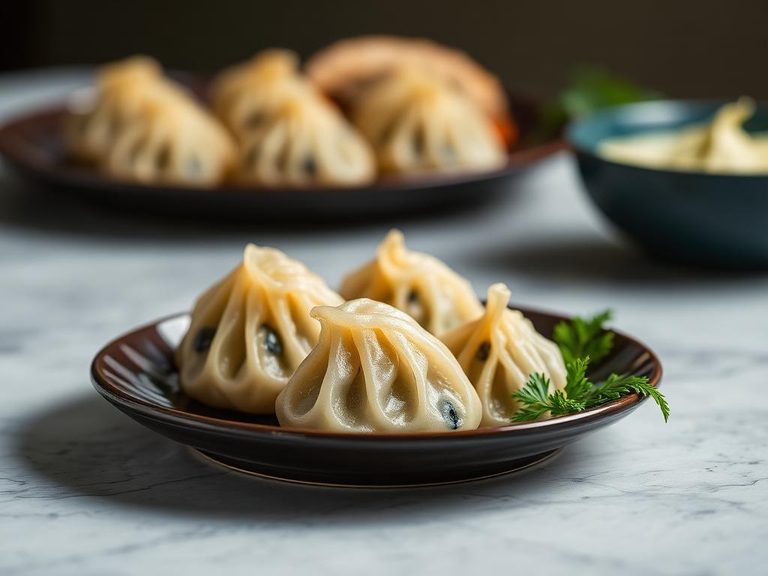
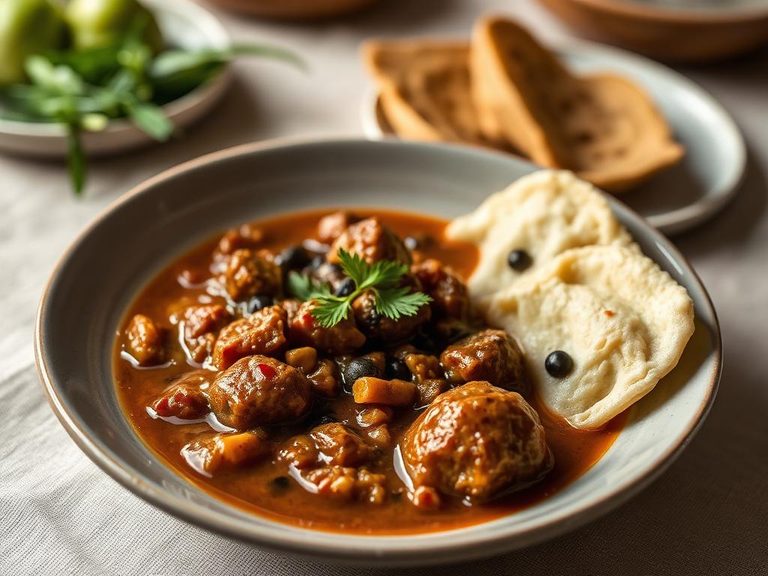
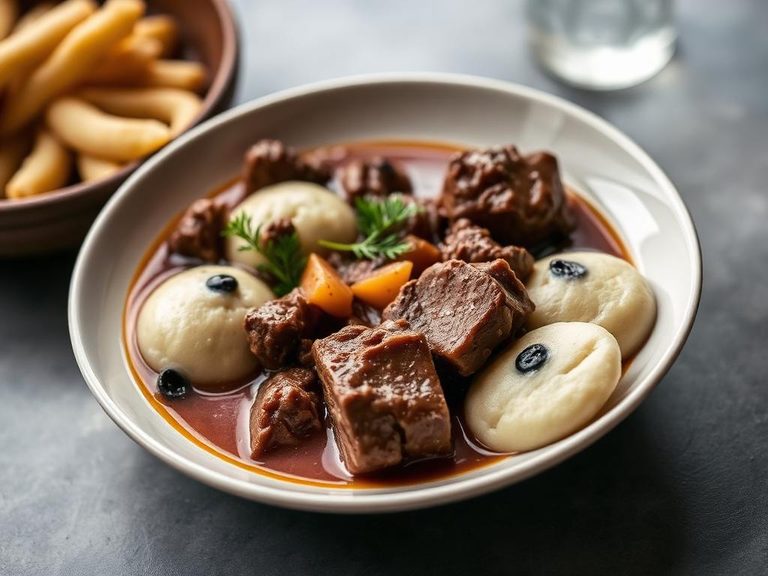
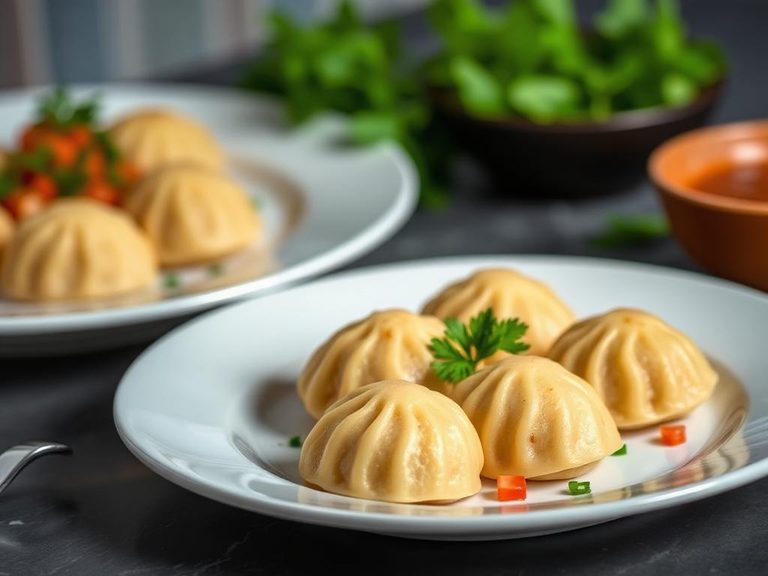
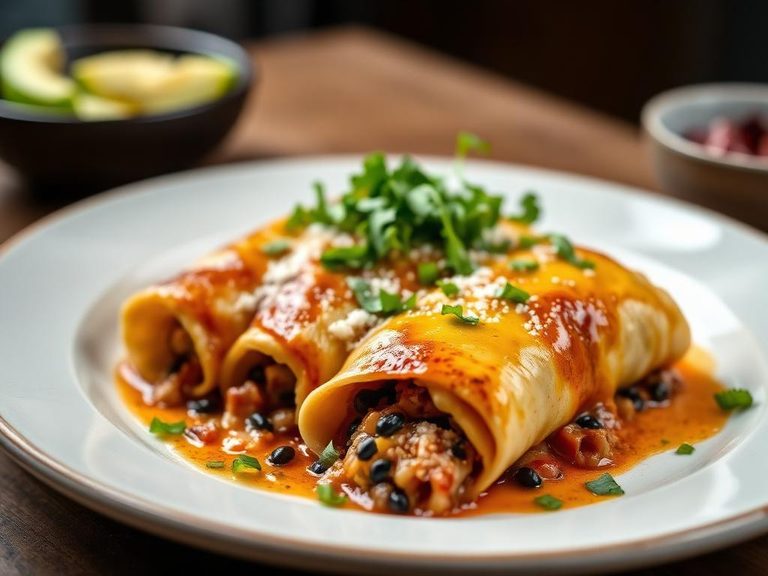
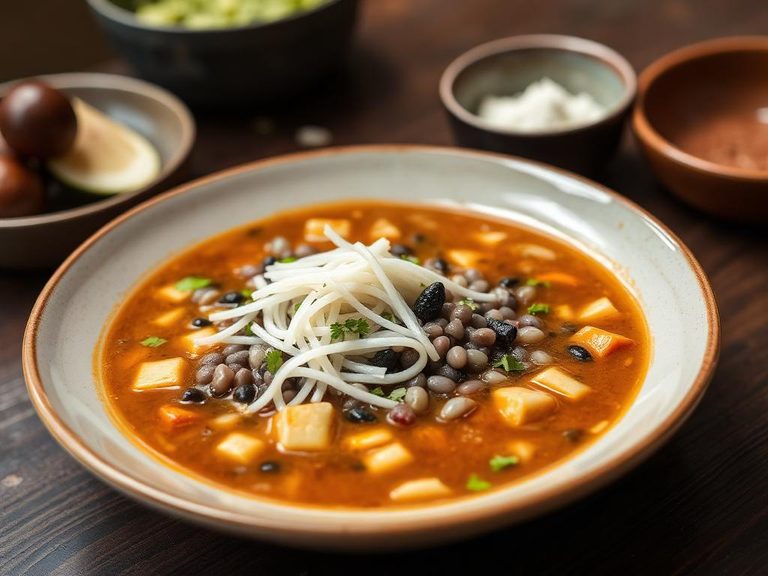
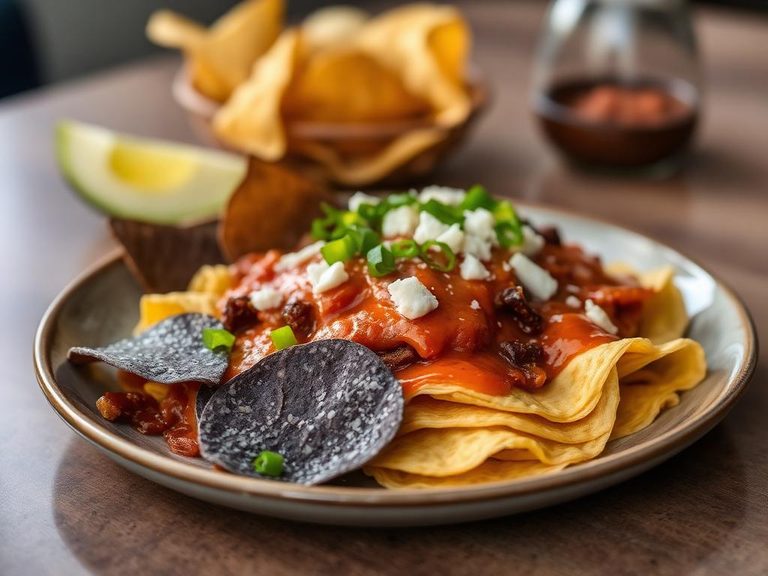
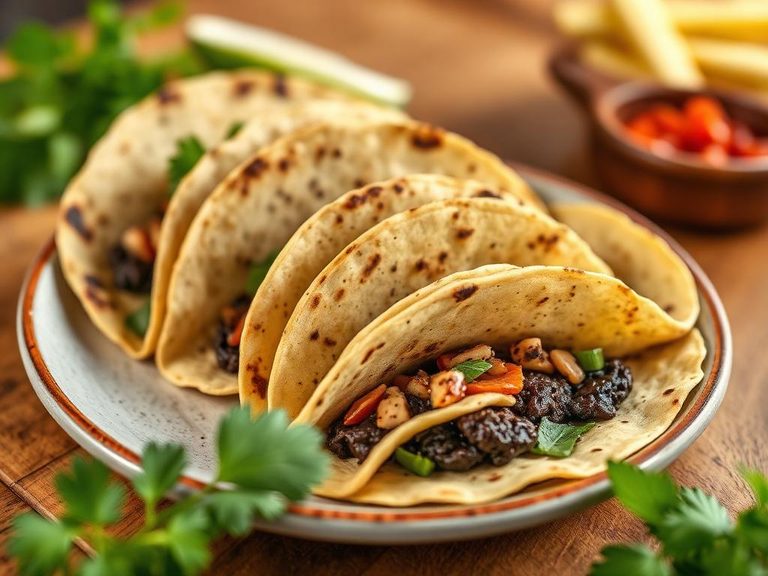
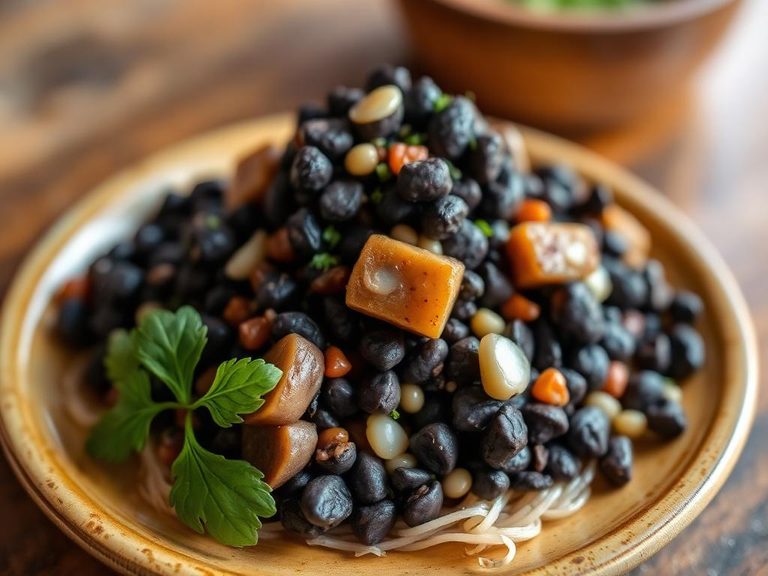
Blue Corn Dumplings are a traditional Southwestern or Native American dish made from blue cornmeal, often formed into small cakes or balls and boiled, steamed, or fried. They typically feature blue corn as the primary ingredient, sometimes mixed with water, salt, and herbs, and are a staple in Pueblo and other Indigenous cuisines. This dish is often served as a hearty side or main component of a meal, reflecting the agricultural heritage of the region.
🍽️ Nutrition at a glance
Blue Corn Dumplings are moderately high in carbohydrates due to the cornmeal base, providing a good source of dietary fiber and essential minerals like magnesium and iron. A typical serving offers around 200-250 calories, with a balance of plant-based nutrients that support energy and digestion.
Nutrition breakdown
| Calories | 220 kcal |
| Protein | 5 g |
| Carbs | 45 g |
| Fat | 3 g |
| Fiber | 6 g |
| Sugar | 2 g |
| Sodium | 300 mg |
| Potassium | 350 mg |
| Magnesium | 60 mg |
| Iron | 2 mg |
| Phosphorus | 150 mg |
| Vitamin B6 | 0.3 mg |
| Niacin | 2 mg |
| Zinc | 1 mg |
| Manganese | 0.5 mg |
Per 1 cup (240 g) · estimated, varies by recipe
💡 What's interesting
Blue corn is naturally rich in anthocyanins, antioxidants that give it its distinctive color and potential health benefits, making these dumplings a nutritionally unique choice. Culturally, they highlight the importance of corn in Native American traditions, often used in ceremonies and everyday meals to honor agricultural practices.