Blended into pesto or chimichurri
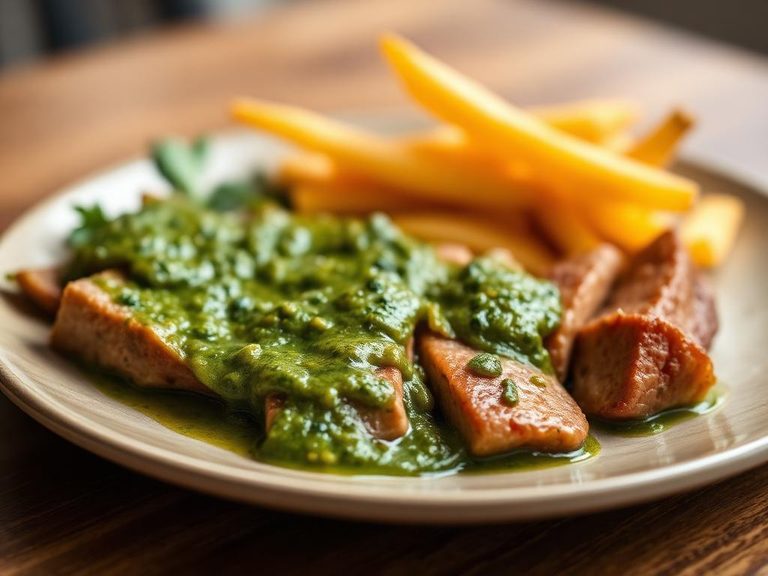
This isn't a single dish, but a vibrant culinary technique where fresh herbs are blended with oil, garlic, and acid to create a powerful, flavorful sauce. The two most famous examples are Italian pesto (basil, pine nuts, Parmesan) and Argentine chimichurri (parsley, oregano, vinegar). These sauces are used to dress, marinate, or finish a wide variety of foods.
🍽️ Nutrition at a glance
These sauces are very high in healthy fats from olive oil, with a modest amount of plant-based protein and minimal carbohydrates. They are calorie-dense due to the oil, with a typical serving containing around 100-150 kcal, and are excellent sources of vitamins K and C, and antioxidants.
Nutrition breakdown
| Calories | 120 kcal |
| Protein | 1.5 g |
| Carbs | 2 g |
| Fat | 12 g |
| Fiber | 1 g |
| Sugar | 0.5 g |
| Sodium | 180 mg |
| Vitamin K | 80% DV |
| Vitamin C | 15% DV |
| Vitamin A | 10% DV |
| Iron | 6% DV |
| Calcium | 4% DV |
| Potassium | 100 mg |
| Manganese | 8% DV |
| Antioxidants | High |
Per 2 tablespoons (30 g) · estimated, varies by recipe
💡 What's interesting
Culturally, these sauces represent a 'no-cook' flavor foundation, preserving the bright, fresh taste of herbs. Nutritionally, the olive oil base enhances the body's absorption of fat-soluble vitamins (like K and A) from the herbs, making them more bioavailable.
🍽️ Related dishes
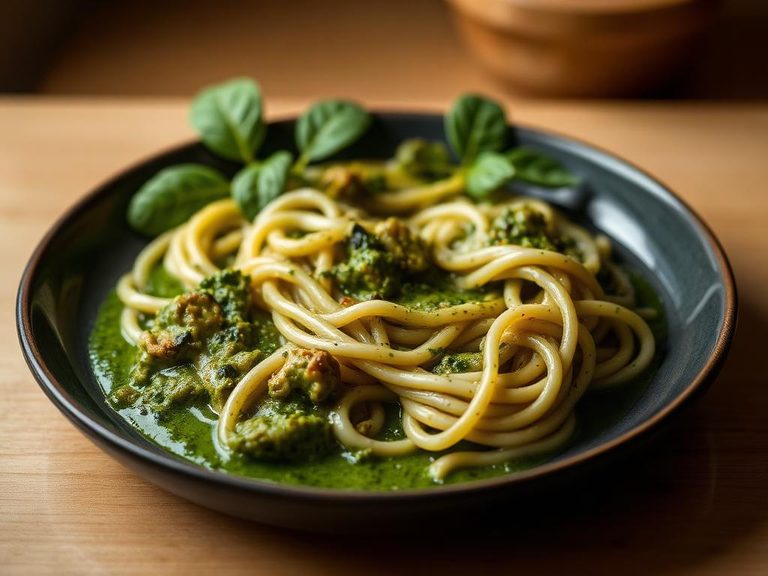 Blended into pesto or green sauces
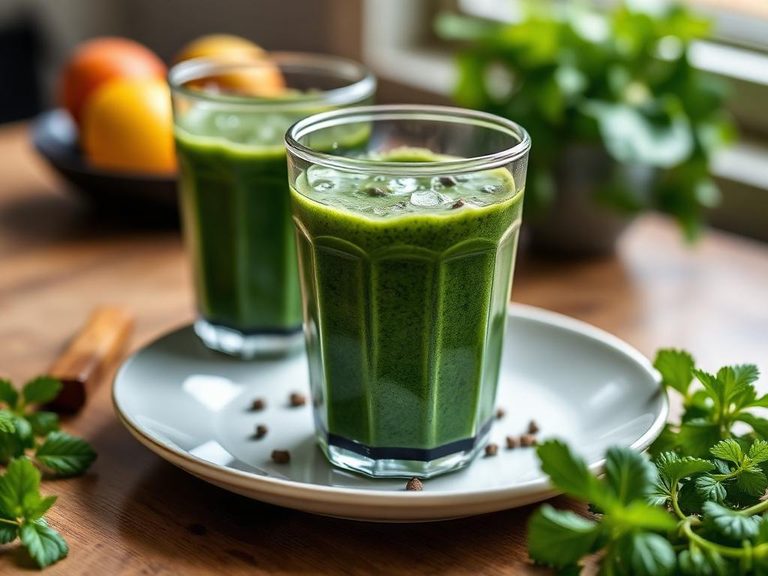 Blended into green smoothies or pesto
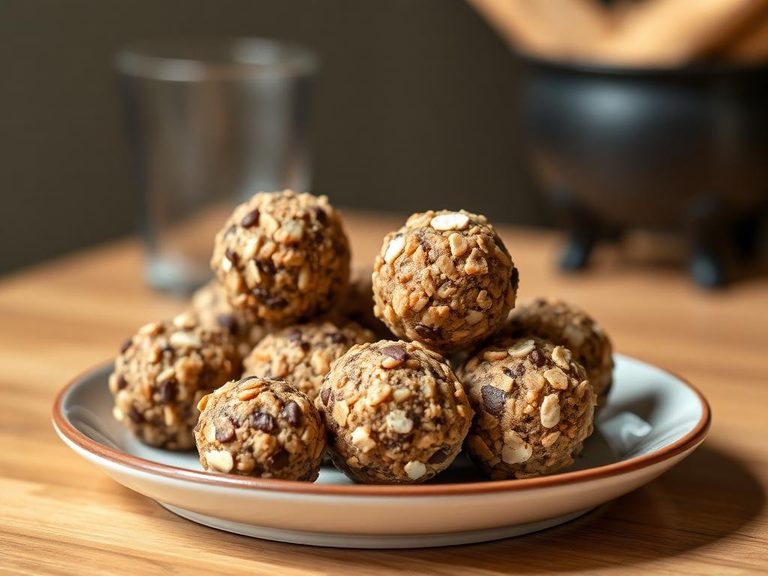 Blended into a no-bake energy bite mixture
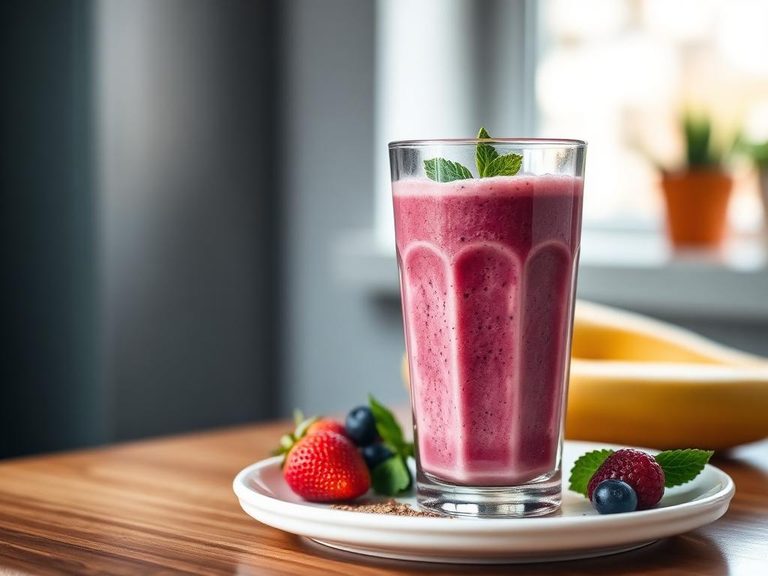 Blended into a post-workout smoothie
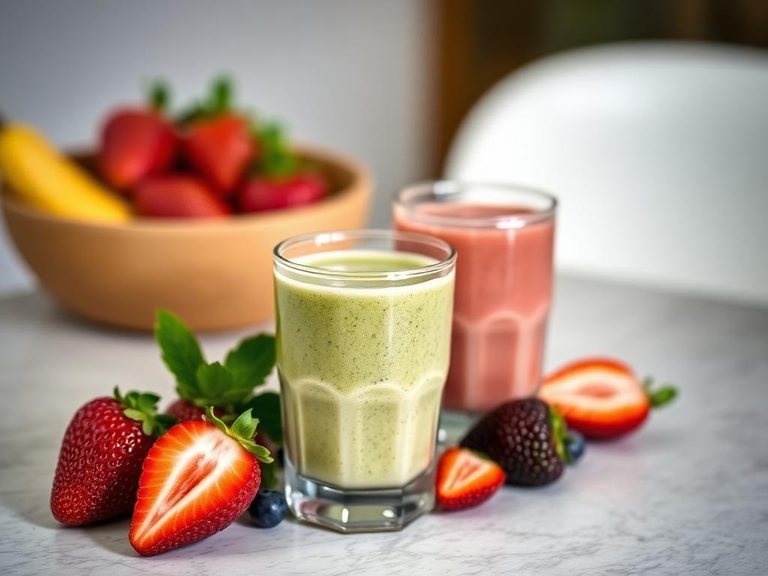 Blended into fruit smoothies for older toddlers
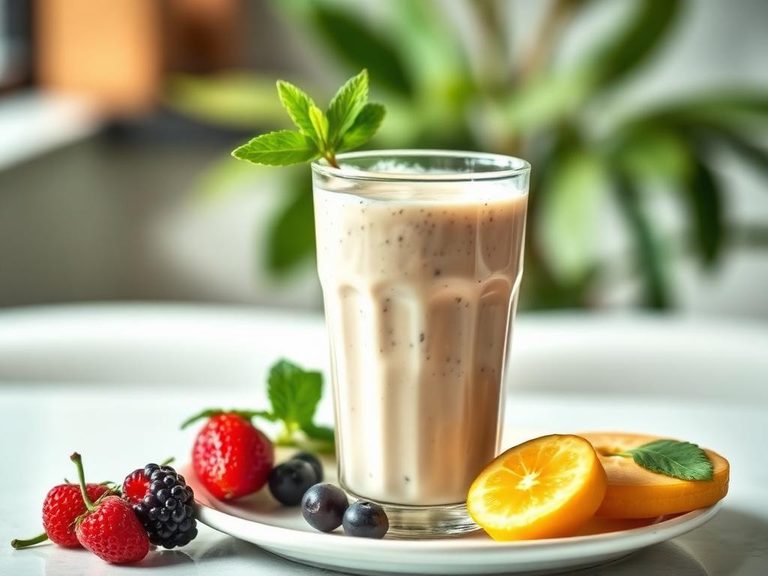 Blended into a smoothie with milk or yogurt
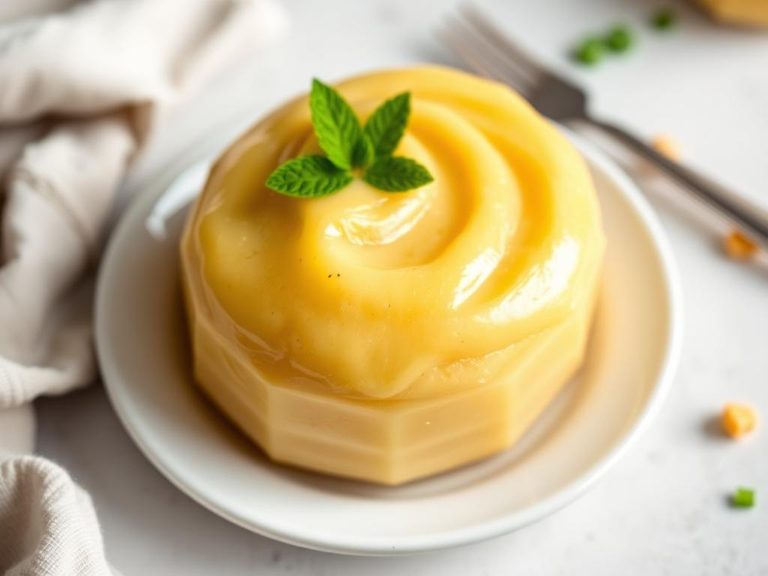 Blended into homemade baby food purees
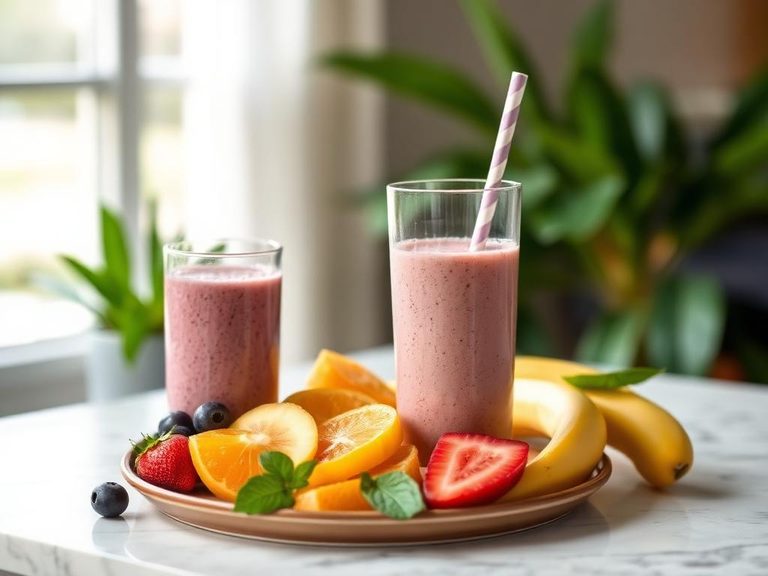 Blended into smoothies for added thickness and sweetness