

Baked Protein Muffins
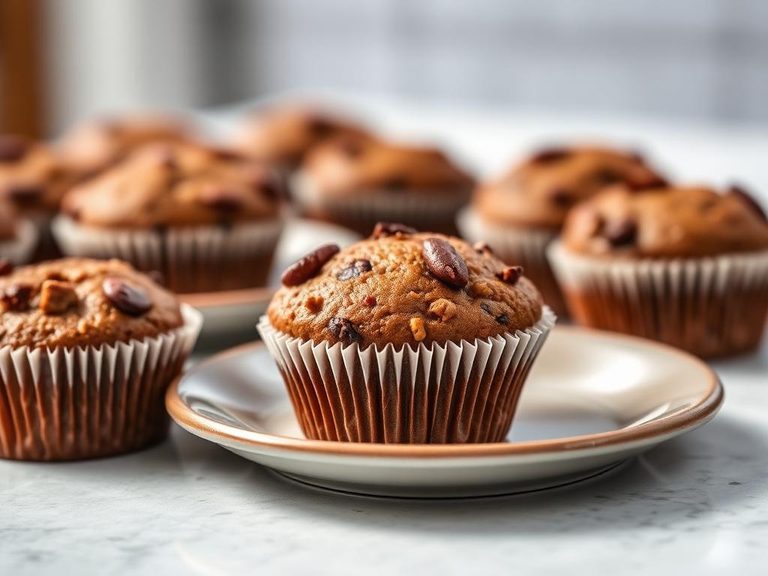
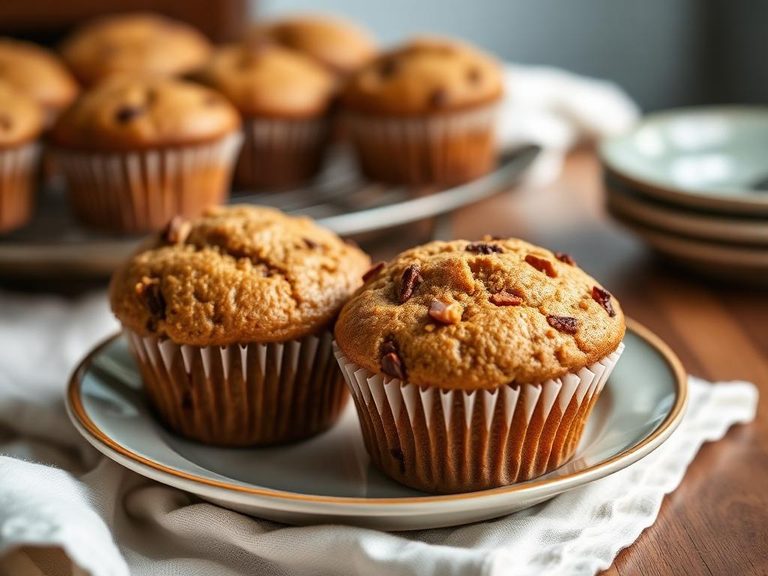
Baked Protein Muffins are a modern, fitness-oriented twist on the classic muffin, designed to be a convenient and portable snack or meal. They typically replace some or all of the traditional flour with protein-rich ingredients like whey or casein protein powder, Greek yogurt, or cottage cheese, alongside eggs and a sweetener. While the concept originated in North American health and fitness communities, it has become a global staple in meal-prep routines.
🍳 View the full Baked Protein Muffins recipe →
🍽️ Nutrition at a glance
These muffins are specifically engineered to be high in protein, making them excellent for muscle repair and satiety, with a moderate amount of carbohydrates and fat depending on the recipe. A single standard muffin generally provides between 150-250 calories, along with key nutrients like calcium, B vitamins, and fiber if whole grains or oats are included.
Nutrition breakdown
| Calories | 180 kcal |
| Protein | 15 g |
| Carbs | 18 g |
| Fat | 6 g |
| Fiber | 3 g |
| Sugar | 5 g |
| Sodium | 220 mg |
| Potassium | 180 mg |
| Calcium | 80 mg |
| Iron | 2 mg |
| Magnesium | 25 mg |
| Phosphorus | 120 mg |
| Vitamin B12 | 0.3 mcg |
| Vitamin D | 1 mcg |
| Zinc | 1.5 mg |
Per 1 muffin (85 g) · estimated, varies by recipe
💡 What's interesting
What's unique is that they represent a functional food trend where a traditionally indulgent baked good is re-engineered for a specific nutritional purpose—often post-workout recovery. Culturally, they symbolize the intersection of convenience food and the global wellness movement, turning a treat into a tool for dietary goals.
🍽️ Related dishes




AI estimate may be inaccurate · Terms