

Baked goods garnish
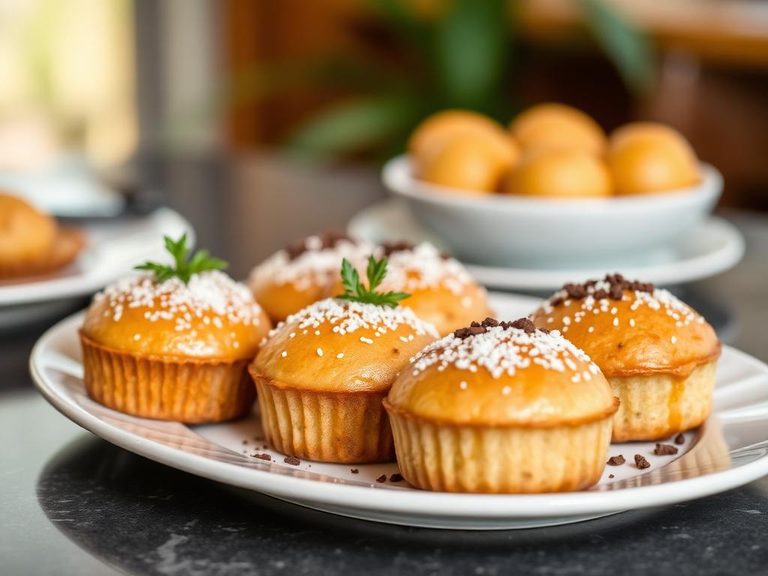
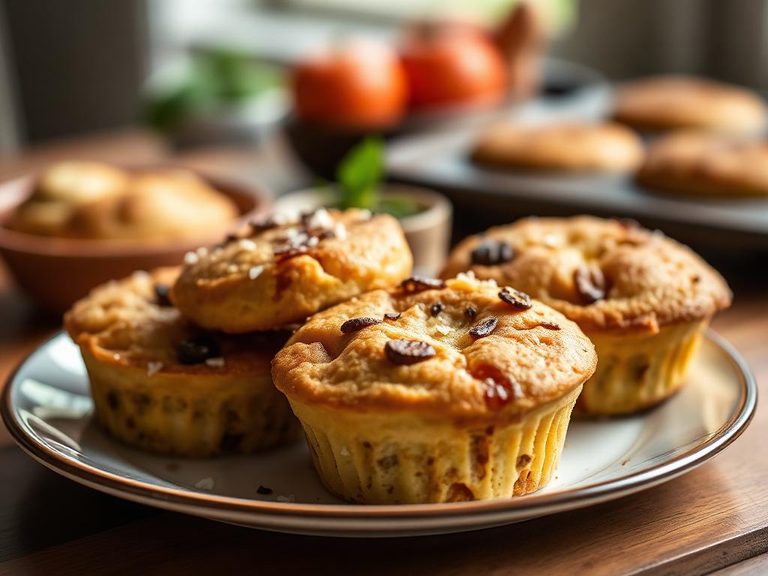
Baked goods garnish is not a specific dish but rather a decorative and flavorful topping or accompaniment used to enhance pastries, cakes, breads, and desserts. Common ingredients include powdered sugar, chocolate shavings, fresh berries, whipped cream, edible flowers, or fruit glazes. This practice is universal in baking traditions worldwide, from French pâtisserie to American home baking.
🍳 View the full Baked goods garnish recipe →
🍽️ Nutrition at a glance
As a garnish, it is typically used in small quantities, so its nutritional impact is minimal. Depending on the type, it can add a small amount of carbohydrates (from sugar or fruit) or fats (from cream or chocolate), but it is not a significant source of macronutrients. A typical serving might contribute anywhere from 10 to 50 extra calories.
Nutrition breakdown
| Calories | 480 kcal |
| Protein | 6 g |
| Carbs | 65 g |
| Fat | 22 g |
| Fiber | 2 g |
| Sugar | 30 g |
| Sodium | 320 mg |
| Calcium | 45 mg |
| Iron | 2.5 mg |
| Potassium | 120 mg |
| Magnesium | 15 mg |
| Phosphorus | 60 mg |
| Vitamin A | 15 mcg RAE |
| Vitamin B1 (Thiamin) | 0.15 mg |
| Folate | 40 mcg DFE |
Per 1 cup (approx. 120 g) · estimated, varies by recipe
💡 What's interesting
Culturally, the art of garnishing baked goods reflects a cuisine's aesthetic values and available local ingredients—for example, using matcha powder in Japan versus citrus zest in the Mediterranean. Nutritionally, garnishes like fresh fruit or nuts can add beneficial antioxidants and healthy fats, subtly boosting the dessert's nutritional profile.
🍽️ Related dishes




AI estimate may be inaccurate · Terms