

Baby food popsicle
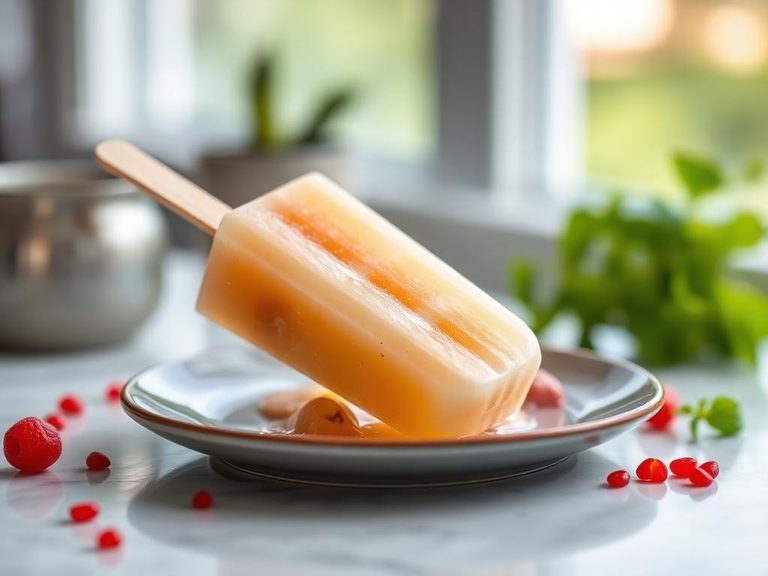
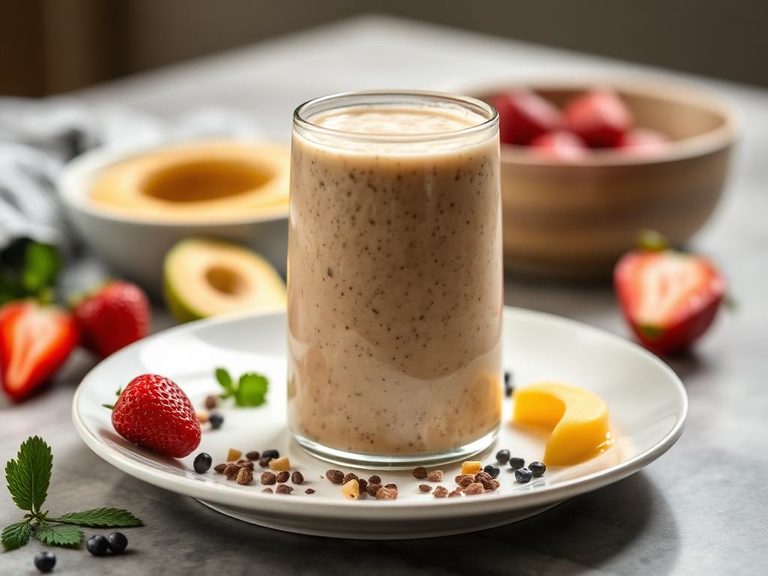
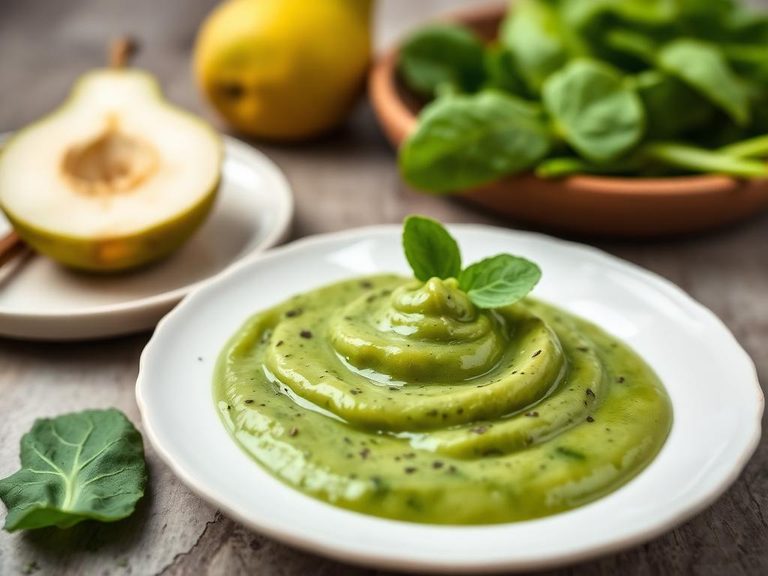
Baby food popsicles are frozen treats made by blending or pureeing fruits, vegetables, and sometimes grains or yogurt into a smooth mixture and freezing them in molds. They are a popular homemade snack for infants and toddlers, especially in Western countries, as a way to introduce solids and soothe teething gums. The ingredients are typically simple, natural, and free from added sugars or preservatives.
🍽️ Nutrition at a glance
These popsicles are generally high in carbohydrates from natural fruit sugars, with minimal fat and protein unless fortified with yogurt or avocado. They provide key nutrients like vitamins (especially vitamin C from fruits), fiber, and hydration, with a rough calorie range of 40-80 calories per small popsicle depending on the ingredients.
Nutrition breakdown
| Calories | 60 kcal |
| Protein | 0.5 g |
| Carbs | 14 g |
| Fat | 0.2 g |
| Fiber | 1.5 g |
| Sugar | 11 g |
| Sodium | 10 mg |
| Vitamin C | 30 mg |
| Vitamin A | 100 mcg |
| Potassium | 150 mg |
| Calcium | 20 mg |
| Iron | 0.3 mg |
| Vitamin B6 | 0.1 mg |
| Folate | 20 mcg |
| Magnesium | 10 mg |
Per 1 popsicle (100 g) · estimated, varies by recipe
💡 What's interesting
Culturally, baby food popsicles represent a modern, creative approach to infant nutrition, blending convenience with the traditional practice of using cold to ease teething discomfort. Nutritionally, they are unique for their focus on whole, unprocessed ingredients, making them a healthy alternative to commercial teething products or sugary treats.
🍽️ Related dishes
AI estimate may be inaccurate · Terms