Almond Bark
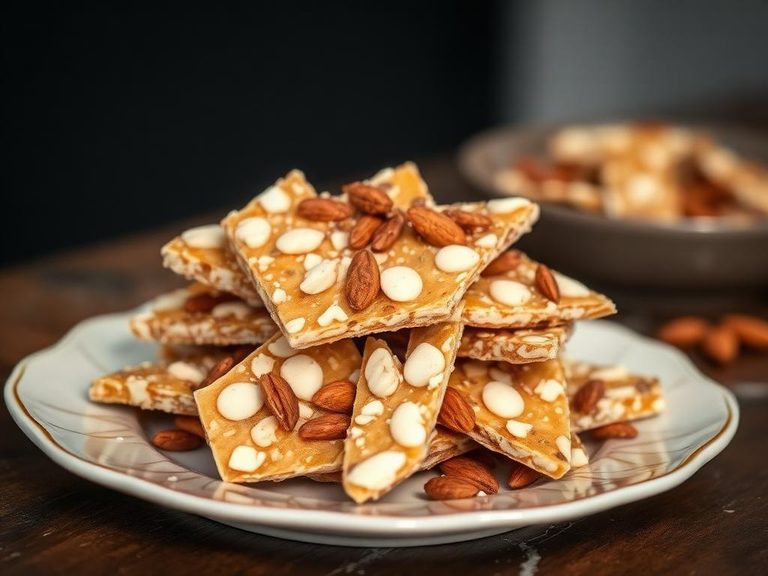
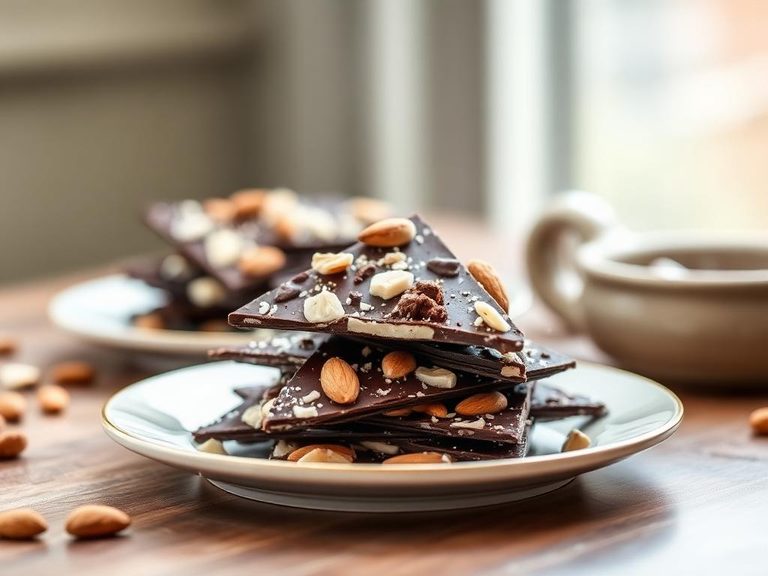
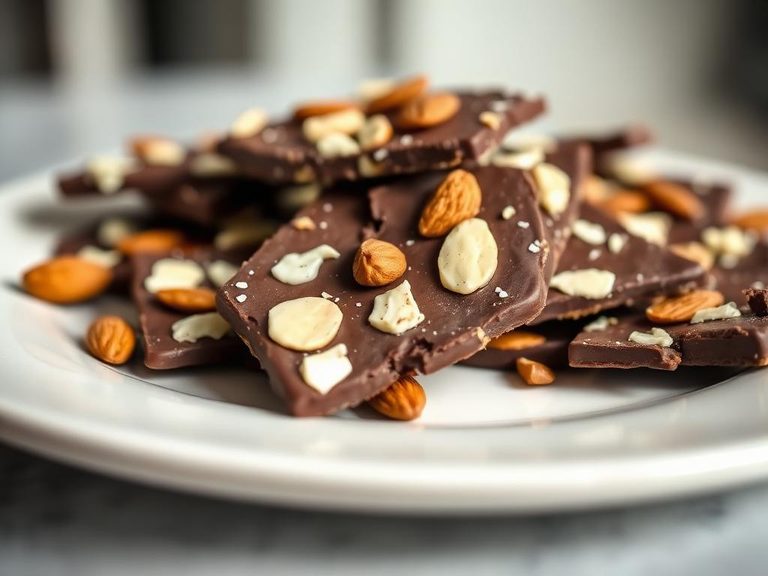
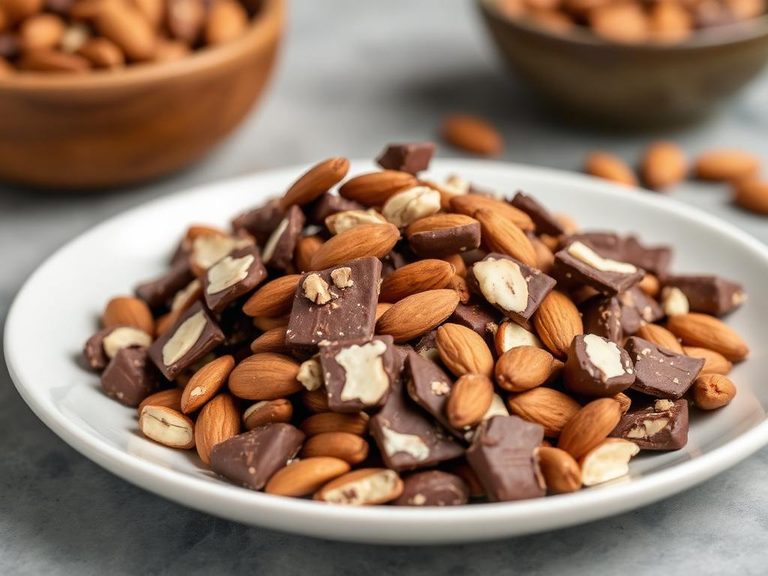
Almond bark is a simple, sweet confection made by melting chocolate (or white chocolate/candy melts) and spreading it thin with almonds, then letting it harden and breaking it into irregular, bark-like shards. It's a popular homemade treat, especially during the holidays, and is a staple in American candy-making.
🍽️ Nutrition at a glance
Almond bark is high in fat and sugar, providing a quick energy boost but little in the way of essential nutrients. A typical serving offers a significant amount of calories, primarily from fats and carbohydrates.
Nutrition breakdown
| Calories | 220 kcal |
| Protein | 3 g |
| Carbs | 22 g |
| Fat | 14 g |
| Fiber | 2 g |
| Sugar | 18 g |
| Sodium | 25 mg |
| Vitamin E | 3 mg |
| Manganese | 0.5 mg |
| Magnesium | 35 mg |
| Copper | 0.2 mg |
| Phosphorus | 60 mg |
| Iron | 1 mg |
| Zinc | 0.5 mg |
| Riboflavin (B2) | 0.1 mg |
Per 1 piece (about 40 g) · estimated, varies by recipe
💡 What's interesting
Culturally, almond bark is a classic example of a 'no-bake' candy, making it an accessible and festive activity for families. Nutritionally, while it's a treat, the almonds do contribute some beneficial monounsaturated fats and vitamin E.