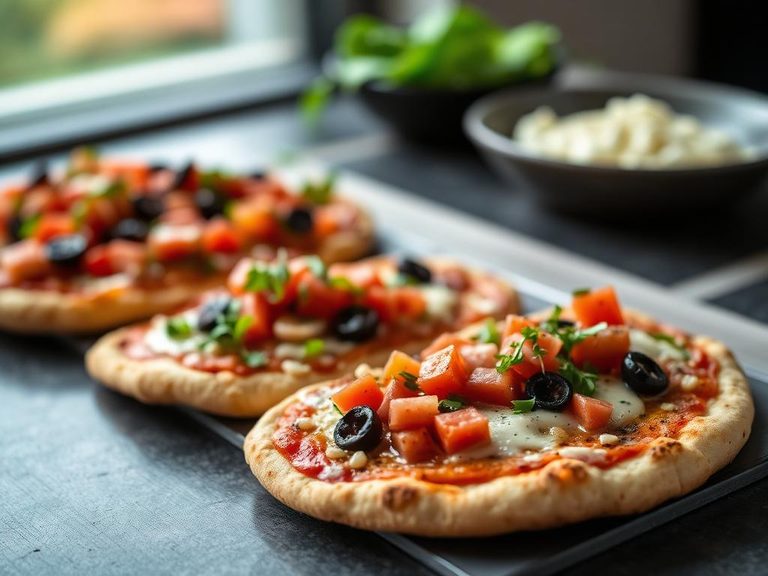
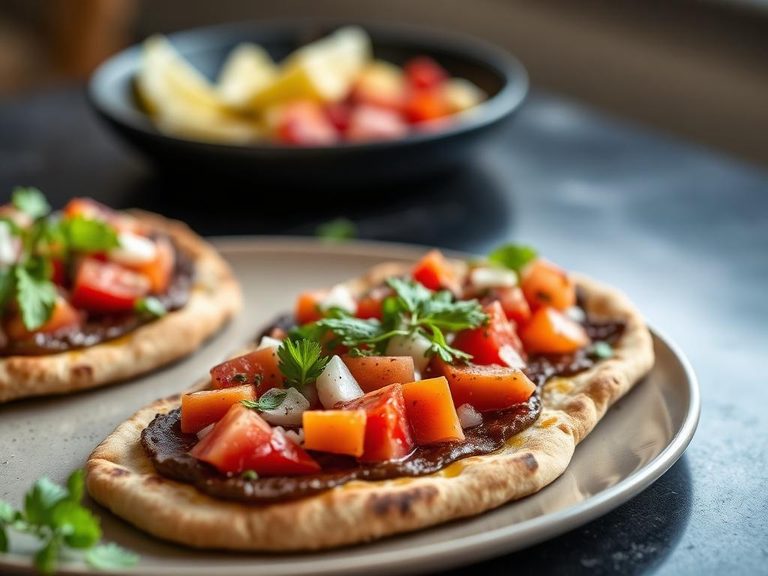
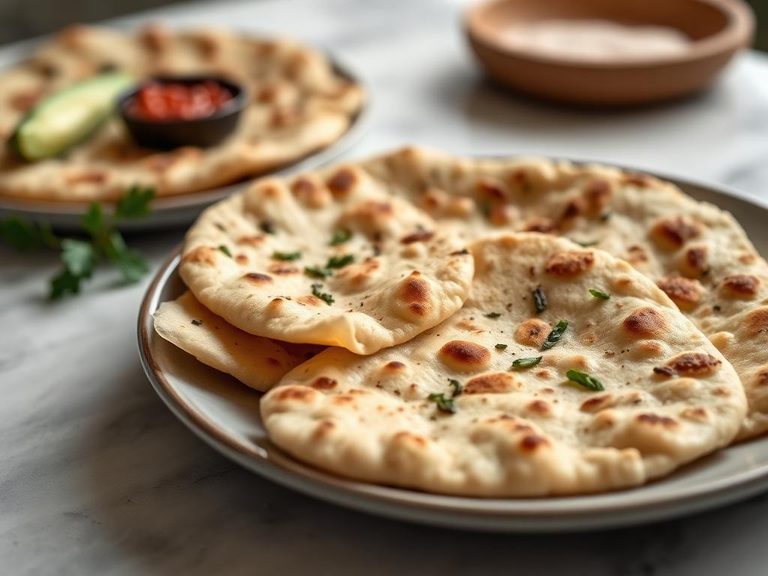
Added to savory pancakes or flatbreads
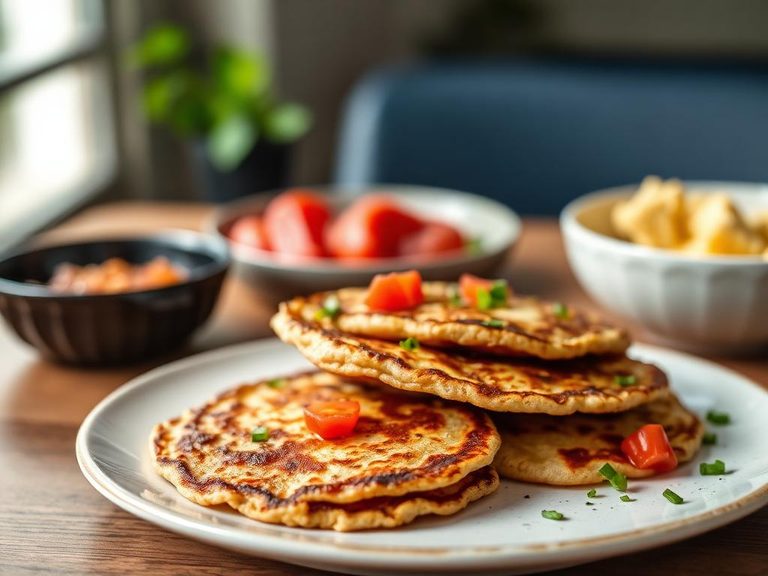
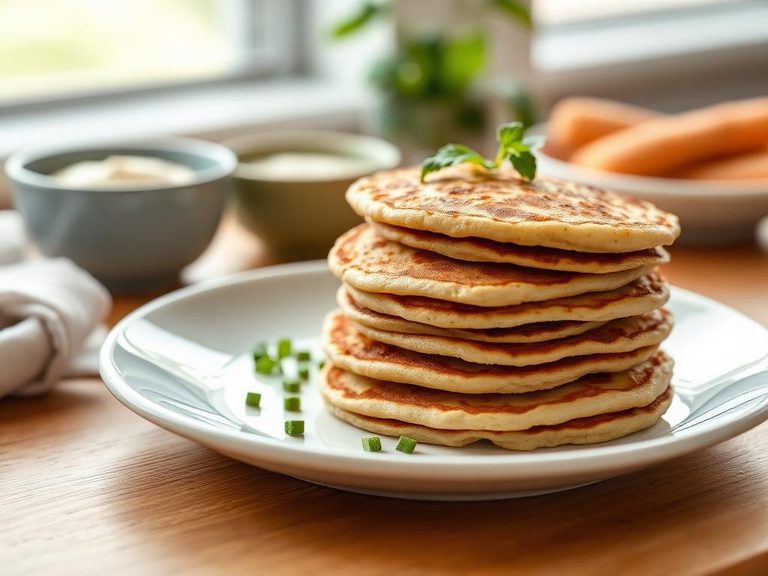
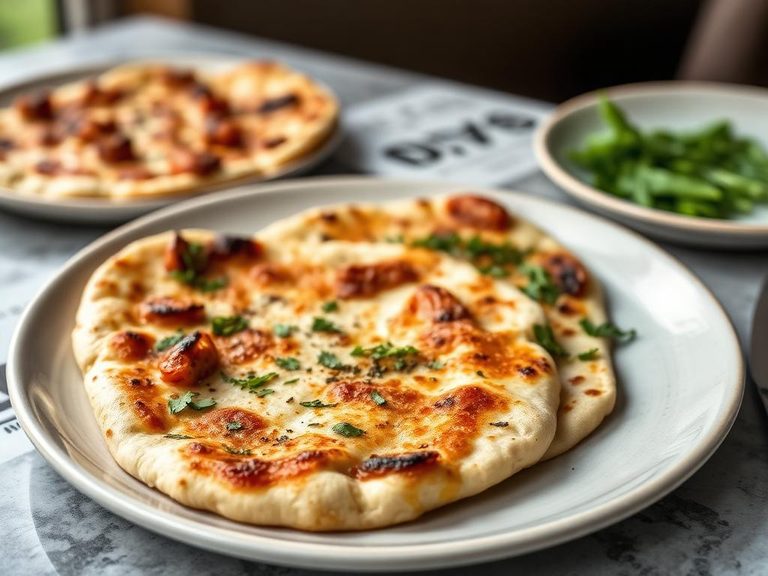
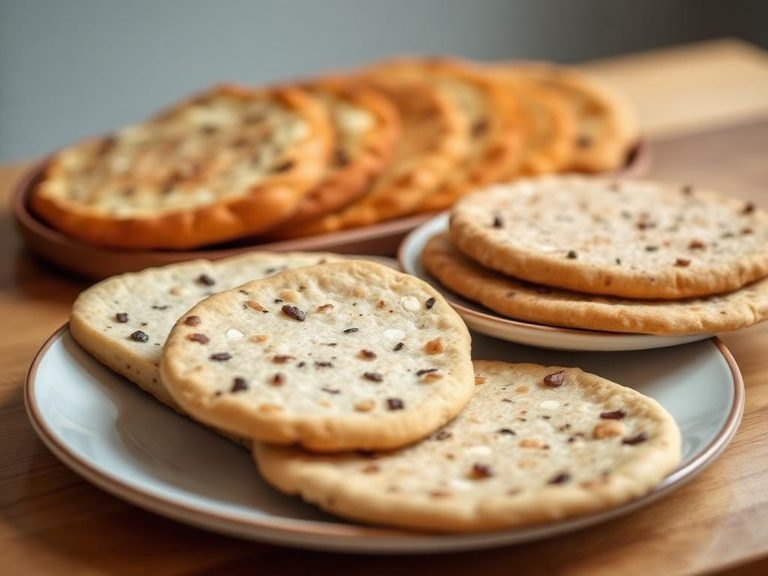
This is not a standalone dish, but rather a common culinary technique where a flavorful, often savory, filling or mixture is incorporated into the batter or dough of savory pancakes or flatbreads. The 'dish' refers to the final composite food item, such as a Chinese scallion pancake, an Indian paratha stuffed with spiced potatoes, or a Korean bindae-tteok (mung bean pancake). The base is typically a simple flour or legume batter, with the added ingredients providing the primary flavor and texture.
🍽️ Nutrition at a glance
The nutritional profile varies widely based on the filling and cooking method, but these are generally carbohydrate-rich from the flour or legume base. They can be a good source of plant-based protein if made with legume flours (like mung bean or chickpea) or stuffed with lentils, and they provide fiber, vitamins, and minerals from the added vegetables, herbs, or legumes.
Nutrition breakdown
| Calories | 220 kcal |
| Protein | 6 g |
| Carbs | 30 g |
| Fat | 9 g |
| Fiber | 3 g |
| Sugar | 2 g |
| Sodium | 350 mg |
| Iron | 2.5 mg |
| Potassium | 150 mg |
| Magnesium | 25 mg |
| Phosphorus | 80 mg |
| Folate | 45 mcg |
| Vitamin B6 | 0.15 mg |
| Manganese | 0.4 mg |
| Selenium | 10 mcg |
Per 1 medium savory pancake or flatbread (approx. 100 g) · estimated, varies by recipe
💡 What's interesting
This technique is a global culinary staple, transforming a simple starch into a complete, portable meal. Nutritionally, it's an efficient way to incorporate vegetables, legumes, and protein into a calorie-dense, satisfying food, making it a cornerstone of street food and home cooking from East Asia to South Asia and the Middle East.