Pasta, dry, whole grain, spaghetti
Whole food · Cereal Grains and Pasta
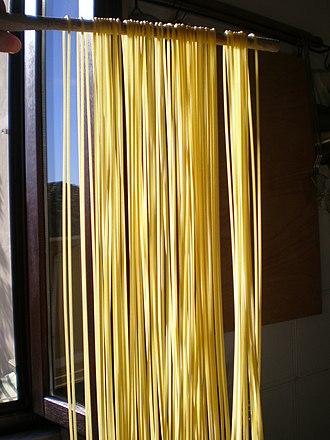
Photo: Wikipedia
Whole grain spaghetti is a hearty, nutty-tasting pasta made from durum wheat flour that retains the bran and germ, giving it a slightly chewy texture and a deep amber hue. It's a staple for those seeking more fiber and nutrients than refined pasta, with a satisfying bite that pairs well with robust sauces. This pasta offers a more complex flavor profile, often described as earthy and wholesome, making it a favorite for health-conscious cooks.
💚 Why it's loved
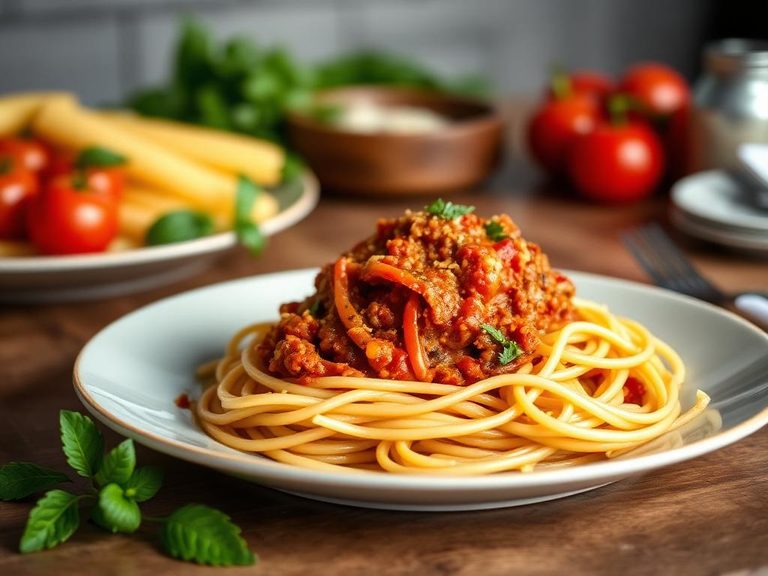
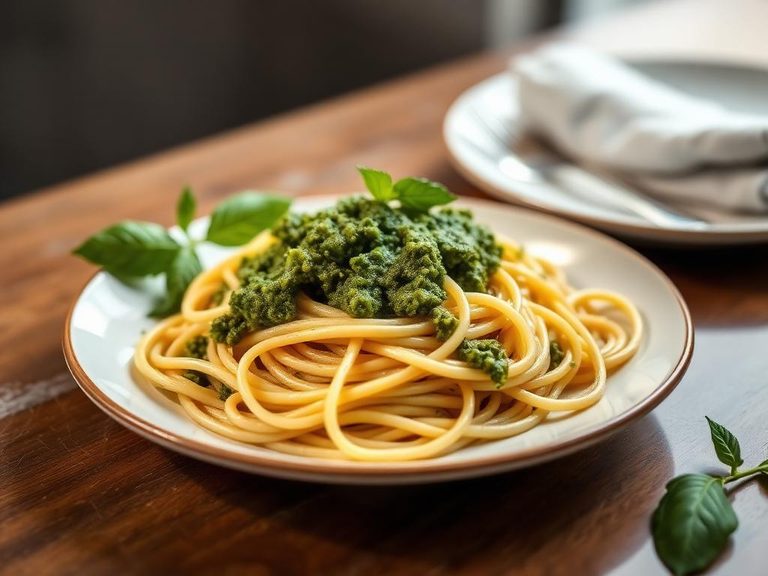
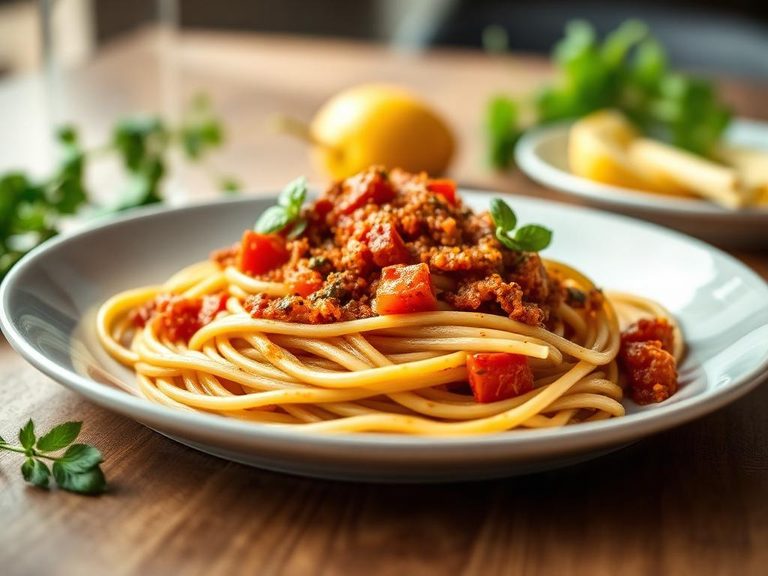
People love it for its nutty, robust flavor and firm texture that holds up beautifully to hearty sauces like bolognese or pesto. It's also cherished for its versatility in both traditional Italian dishes and modern fusion recipes, making it a comforting and culturally significant staple.
⚠️ Watch-outs & how to enjoy it better
Some find the texture denser or grittier than refined pasta, and its higher fiber content can cause bloating or discomfort for those not used to it. To counteract this, start with smaller portions and gradually increase intake, and pair it with healthy fats or proteins to slow digestion and enhance nutrient absorption.
Key benefits
- High in dietary fiber, supporting digestive health and satiety
- Rich in B vitamins and minerals like magnesium and iron
- Lower glycemic index than white pasta, aiding blood sugar management
- Provides sustained energy due to complex carbohydrates
- Contains antioxidants from the intact grain
🍽️ Popular dishes
🌍 Where it's eaten
💡 Did you know?
Whole grain spaghetti was popularized in the United States in the 1990s as part of the 'whole grain' movement, but its roots trace back to ancient Roman and Greek civilizations where whole wheat was commonly used in pasta-making.
Full nutrition (scales with serving)
FAQ
Is whole grain spaghetti healthier than regular spaghetti?
Yes, it typically contains more fiber, vitamins, and minerals due to the retained bran and germ, which can aid digestion and provide sustained energy.
How should I cook whole grain spaghetti to avoid it becoming mushy?
Cook it in plenty of salted boiling water for 8-10 minutes, stirring occasionally, and test for al dente texture. Avoid overcooking, and rinse briefly if not serving immediately to prevent sticking.
Can I use whole grain spaghetti in any recipe that calls for regular spaghetti?
Absolutely, it works well in most dishes, though its nuttier flavor and firmer texture may alter the taste slightly. It's especially good with robust sauces that complement its earthy notes.