West African egusi soup
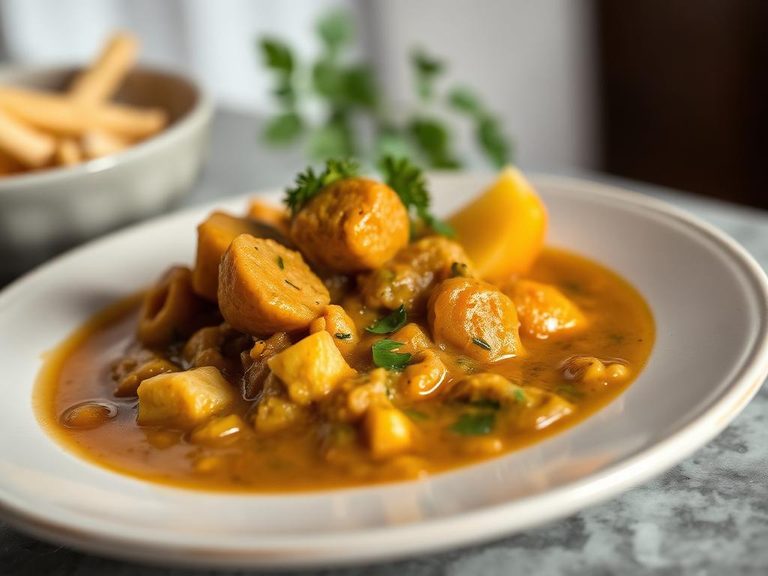
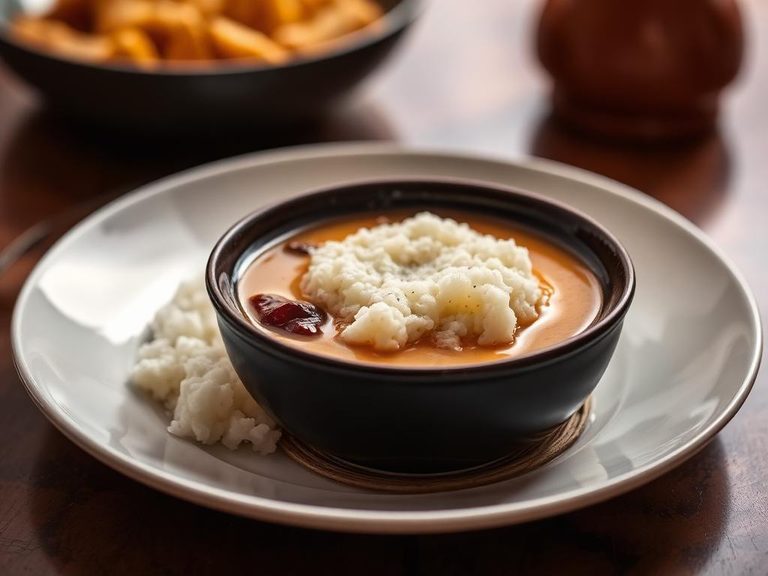
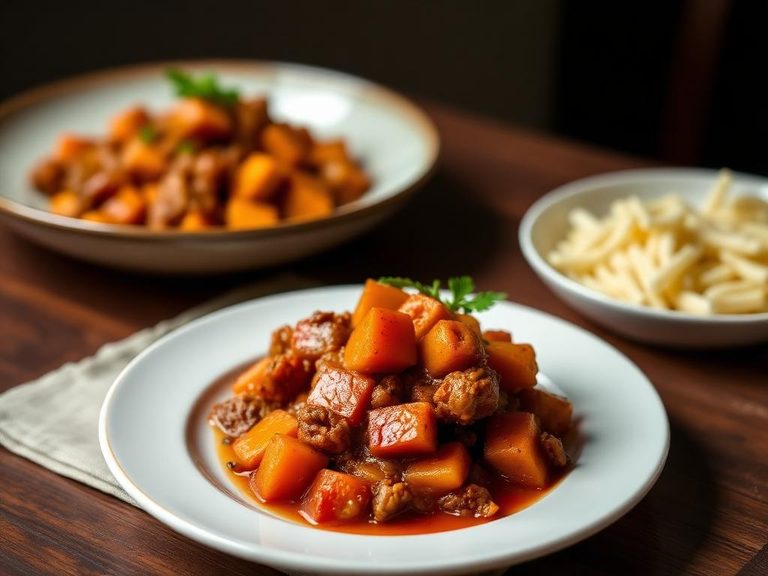
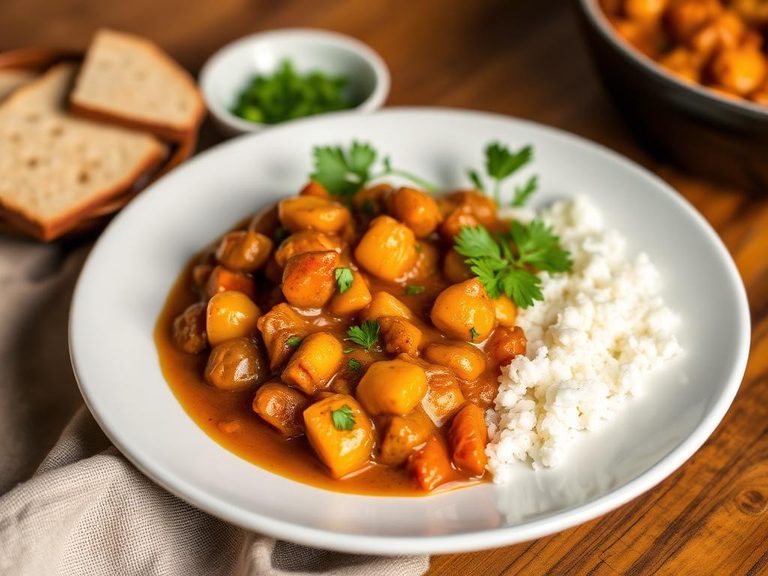
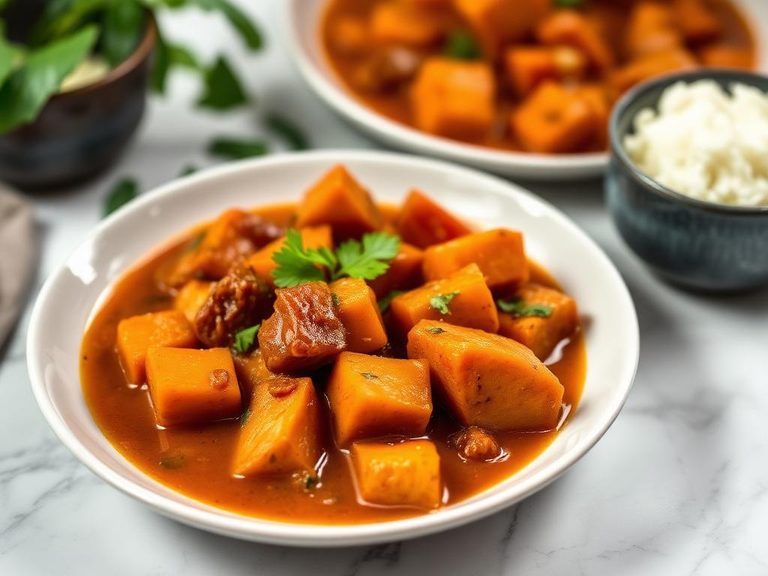
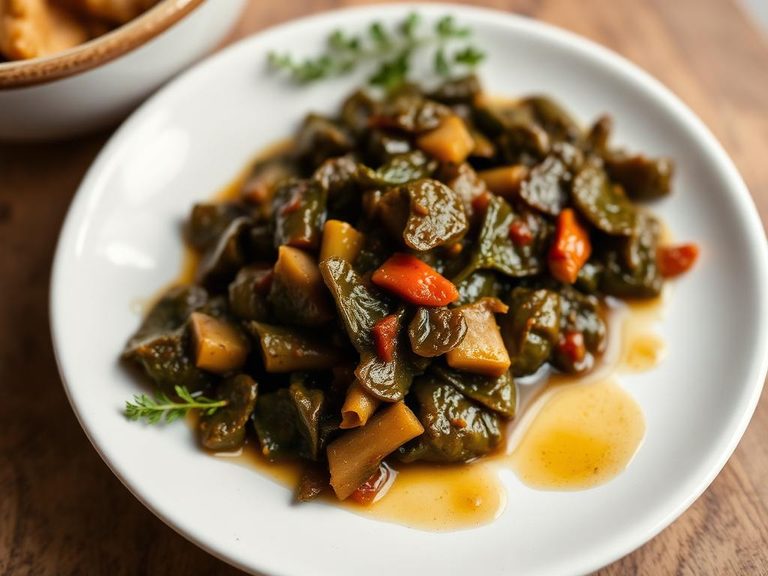
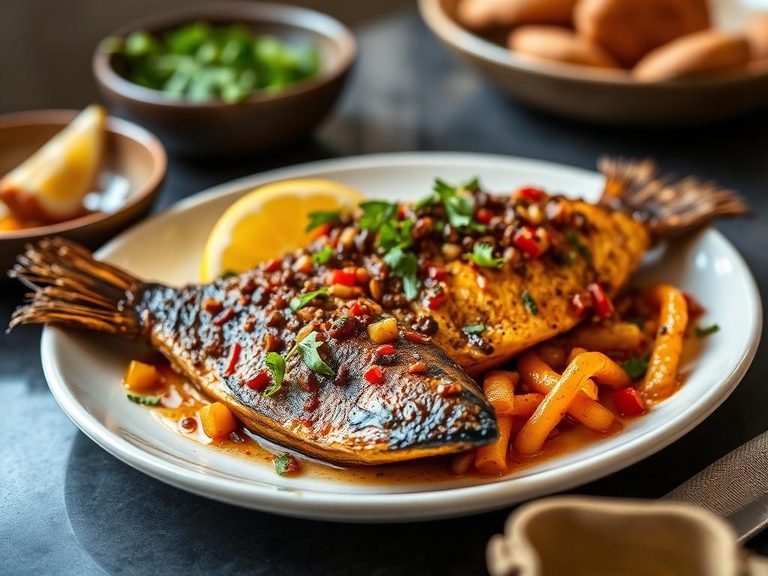
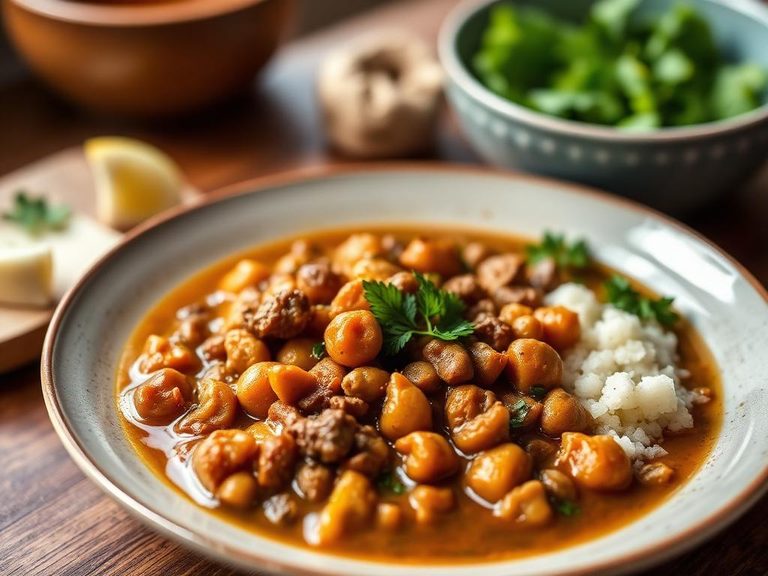
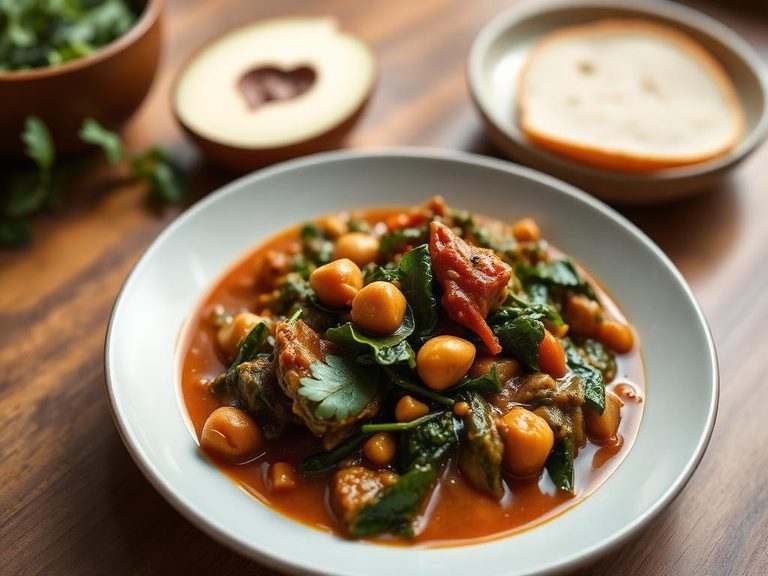
West African egusi soup is a rich, savory stew originating from Nigeria and other parts of West Africa, centered around ground melon seeds (egusi) that give it a distinctive thick, curd-like texture. It is typically cooked with leafy greens like spinach or bitter leaf, palm oil, and a variety of proteins such as beef, chicken, fish, or crayfish, seasoned with onions, peppers, and traditional spices. The soup is a beloved staple often served with starchy sides like fufu, pounded yam, or eba.
🍽️ Nutrition at a glance
Egusi soup is a high-protein, high-fat dish due to the melon seeds and palm oil, with moderate carbohydrates depending on the added vegetables and proteins. It is a good source of healthy fats, plant-based protein, iron, magnesium, and potassium, with a typical serving ranging from 300 to 450 calories.
Nutrition breakdown
| Calories | 380 kcal |
| Protein | 22 g |
| Carbs | 12 g |
| Fat | 28 g |
| Fiber | 4 g |
| Sugar | 3 g |
| Sodium | 450 mg |
| Iron | 4.5 mg |
| Magnesium | 120 mg |
| Potassium | 500 mg |
| Zinc | 3.2 mg |
| Vitamin A | 180 mcg |
| Vitamin C | 15 mg |
| Folate | 90 mcg |
| Phosphorus | 320 mg |
Per 1 cup (240 g) · estimated, varies by recipe
💡 What's interesting
Culturally, egusi soup is a centerpiece of communal meals and celebrations in West Africa, symbolizing abundance and hospitality. Nutritionally, the melon seeds are a unique source of arginine, an amino acid that supports heart health, and the soup's combination of greens and protein makes it a nutrient-dense meal.