Transition feeding from hospital to home
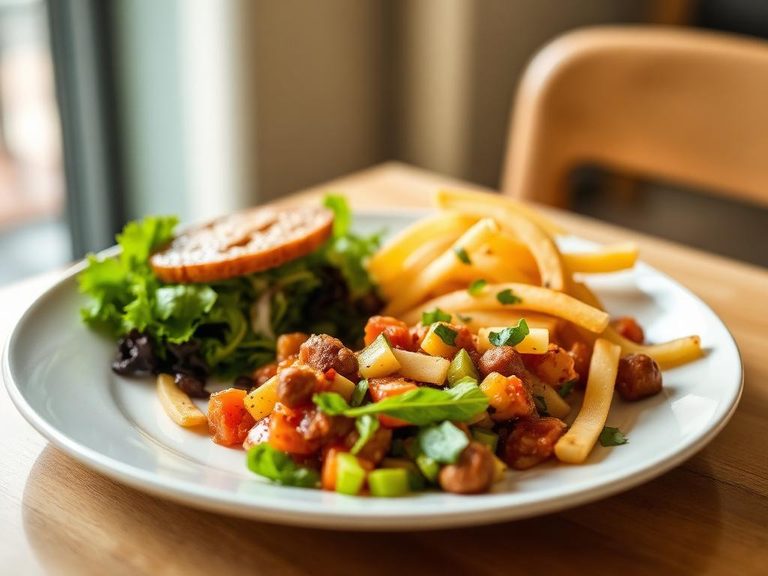
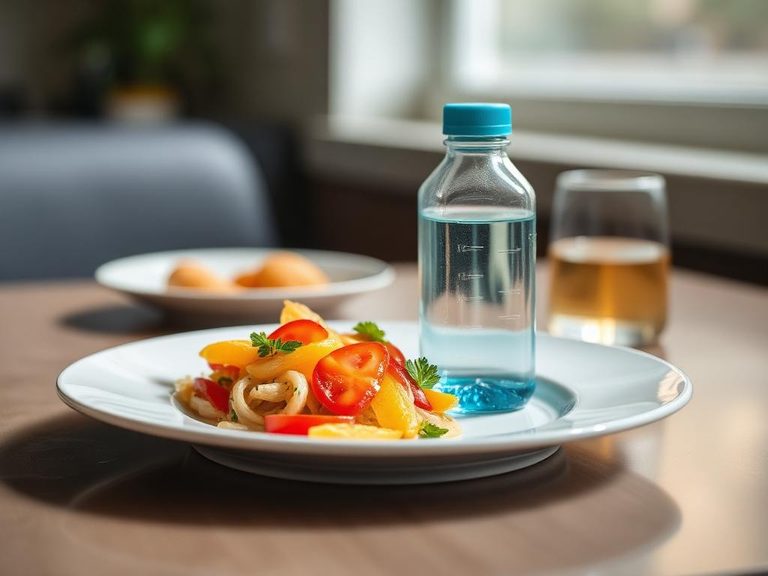
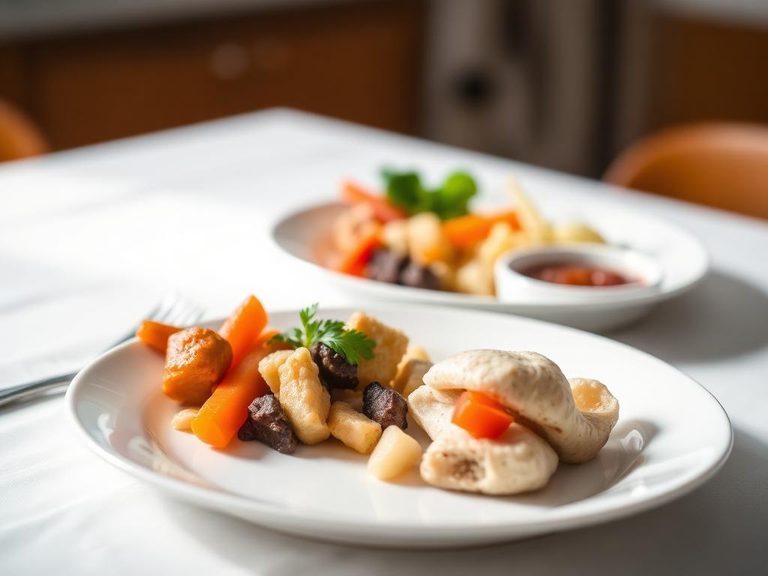
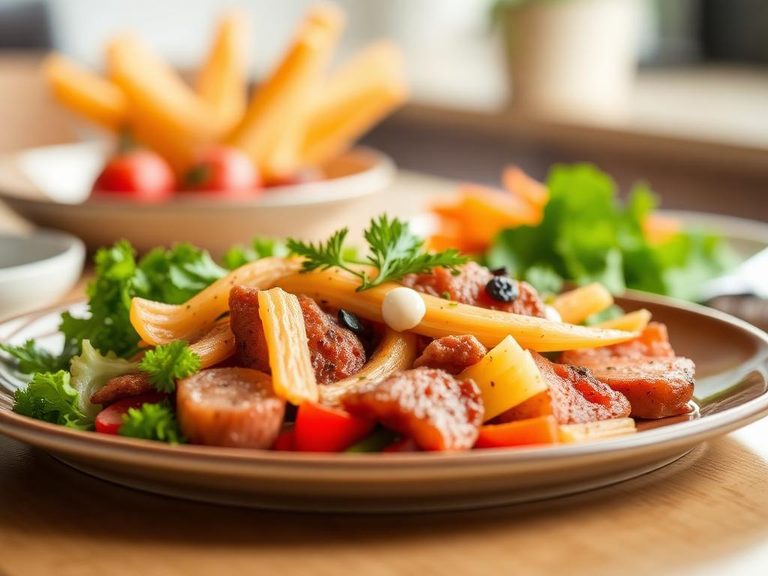
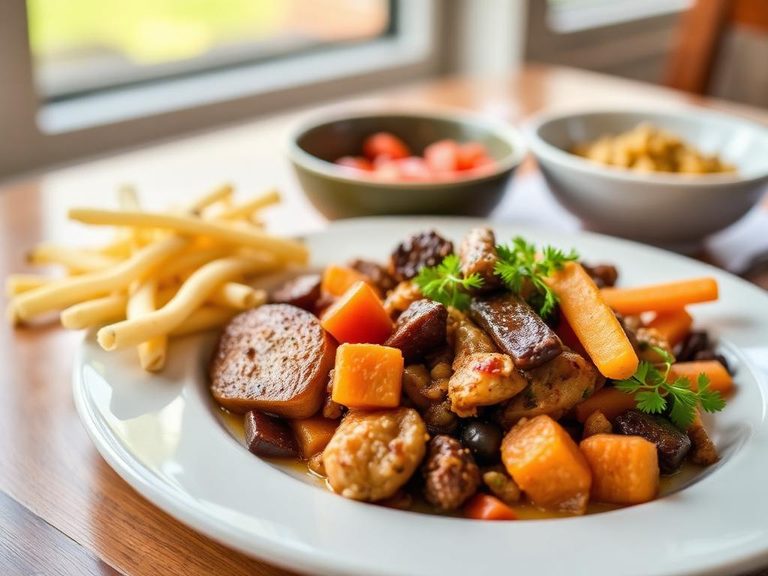
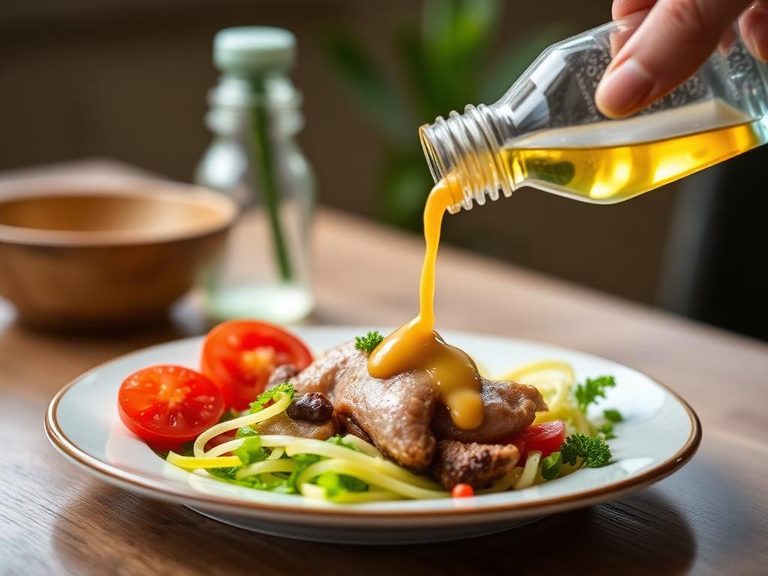
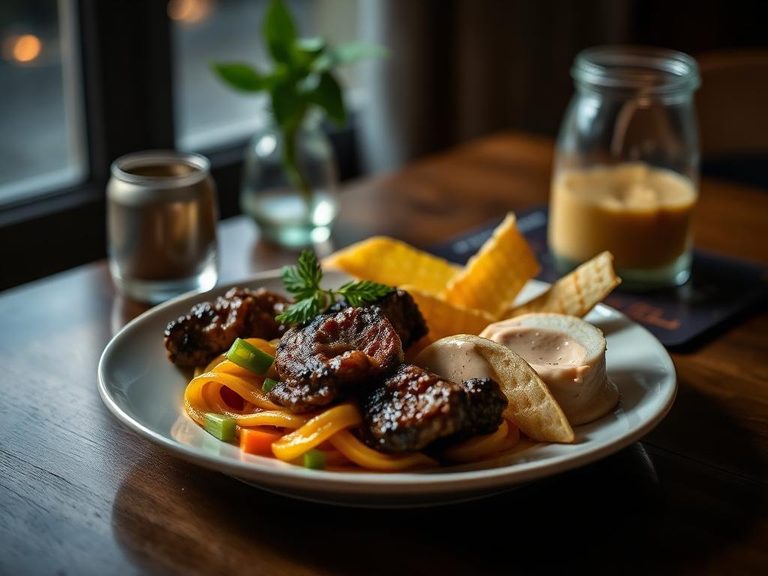
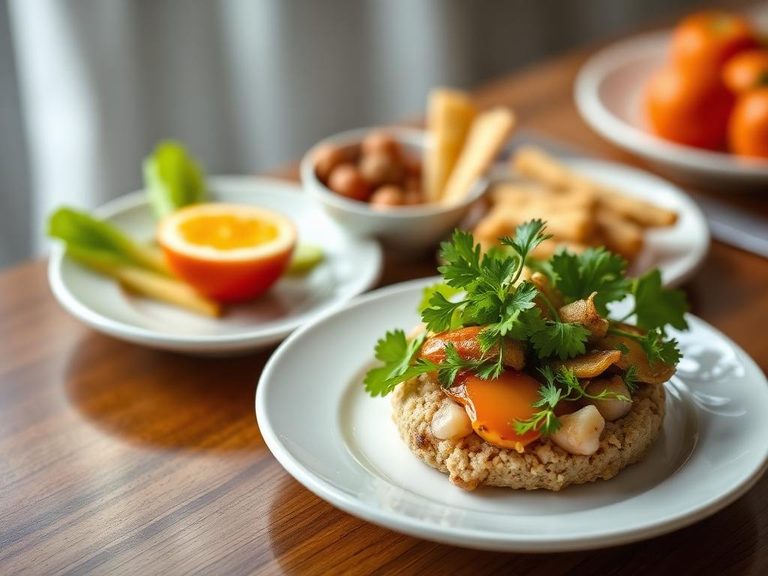
This is not a traditional dish but a conceptual meal plan for individuals transitioning from hospital to home care. It typically consists of soft, easy-to-digest foods like congee, steamed fish, pureed vegetables, and nourishing broths, common in Chinese culinary traditions for recovery. The focus is on gentle, nutrient-dense ingredients that support healing without straining the digestive system.
🍽️ Nutrition at a glance
The meal plan is generally balanced, emphasizing moderate protein for tissue repair, easily digestible carbohydrates for energy, and healthy fats. It is typically low in fiber and sodium, providing around 400-600 calories per meal to support recovery without overwhelming the body.
Nutrition breakdown
| Calories | 500 kcal |
| Protein | 25 g |
| Carbs | 60 g |
| Fat | 15 g |
| Fiber | 5 g |
| Sugar | 8 g |
| Sodium | 450 mg |
| Vitamin A | 300 mcg |
| Vitamin C | 15 mg |
| Calcium | 150 mg |
| Iron | 3 mg |
| Potassium | 400 mg |
| Zinc | 2 mg |
| Vitamin B12 | 1.5 mcg |
| Magnesium | 60 mg |
Per 1 meal set (approx. 400 g) · estimated, varies by recipe
💡 What's interesting
Culturally, this approach aligns with Traditional Chinese Medicine principles of 'healing through food,' using warm, soft foods to restore the body's balance. Nutritionally, it prioritizes bioavailability and gut-friendliness, often incorporating ingredients like ginger, goji berries, and bone broth for their anti-inflammatory and restorative properties.