Hospital NICU Diet
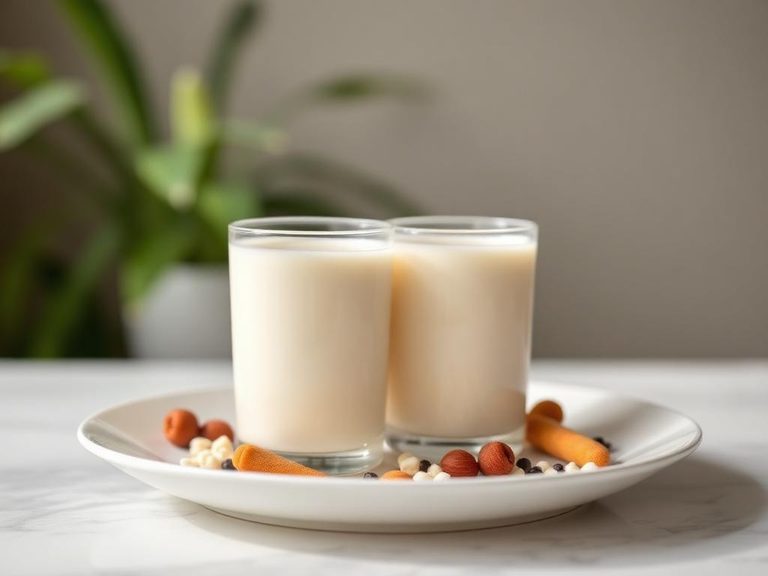
The 'Hospital NICU Diet' is not a single dish but a specialized nutritional regimen designed for premature or critically ill newborns in a Neonatal Intensive Care Unit. It typically consists of human milk (often donor milk) fortified with a human milk fortifier (HMF) or specialized preterm infant formula to meet the high-calorie, high-protein needs of tiny infants. This regimen is medically tailored and administered via tube or specialized feeding methods, originating from modern neonatal care practices.
🍽️ Nutrition at a glance
This diet is extremely high in calories and protein relative to volume, designed to support rapid growth and development in vulnerable infants. It provides a dense concentration of essential nutrients like calcium, phosphorus, and vitamins, with a typical serving (e.g., 30-60 mL) delivering around 20-40 kcal.
Nutrition breakdown
| Calories | 25 kcal |
| Protein | 1.5 g |
| Carbs | 3 g |
| Fat | 1 g |
| Fiber | 0 g |
| Sugar | 2.5 g |
| Sodium | 15 mg |
| Calcium | 80 mg |
| Phosphorus | 45 mg |
| Iron | 0.3 mg |
| Vitamin D | 40 IU |
| Vitamin A | 80 IU |
| Potassium | 60 mg |
| Zinc | 0.2 mg |
| Selenium | 1.5 mcg |
Per 30 mL (1 oz) of fortified human milk · estimated, varies by recipe
💡 What's interesting
The 'Hospital NICU Diet' is unique because it is a life-sustaining, medical-grade nutritional plan that adapts in real-time to an infant's changing health status, often involving precise fortification of human milk. It represents a critical intersection of medicine and nutrition, where the goal is to mimic the nutritional benefits of full-term pregnancy while supporting immature organ systems.