Tare for yakitori
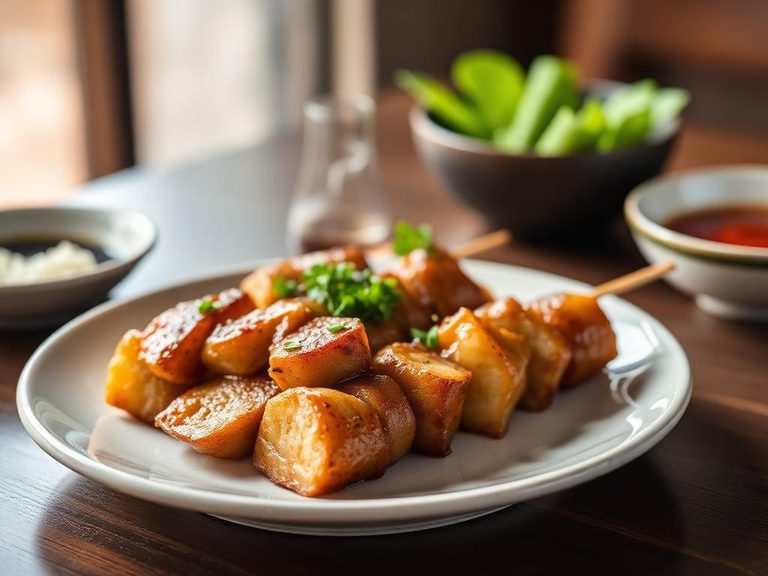
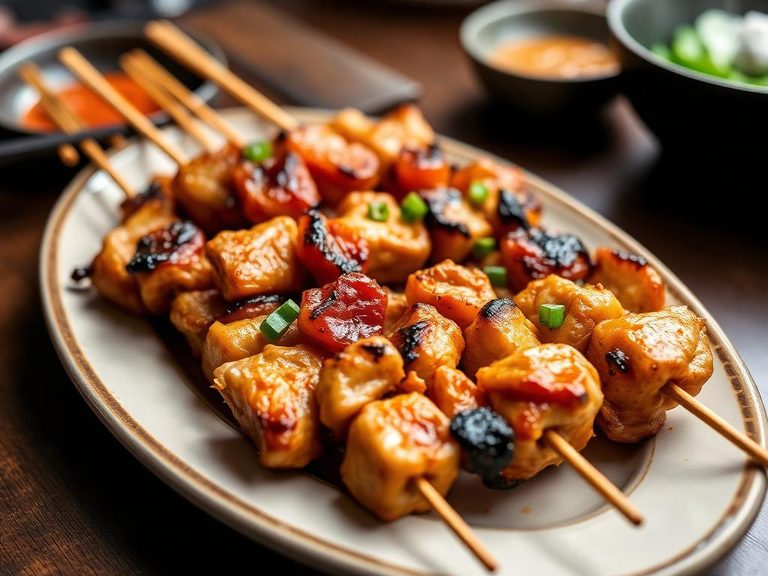
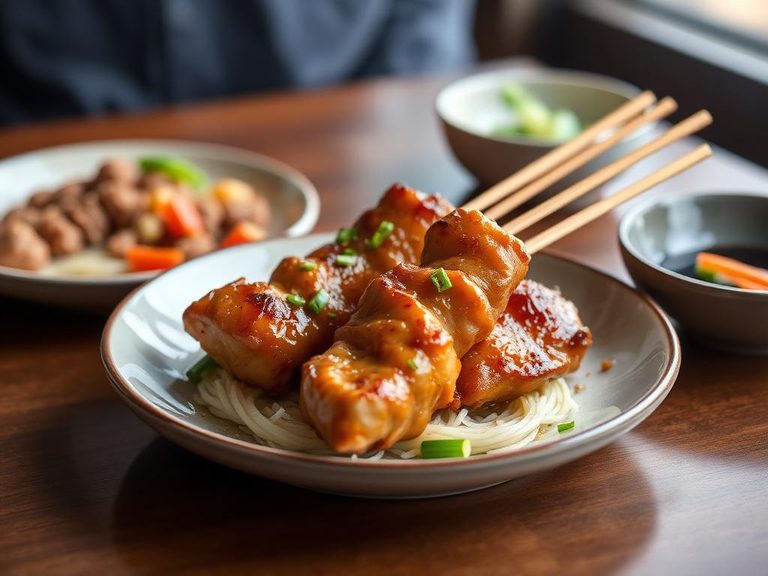
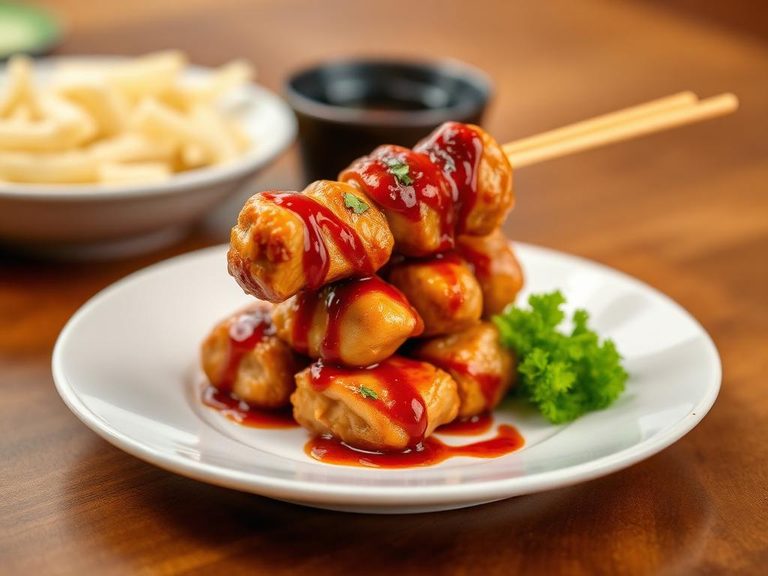
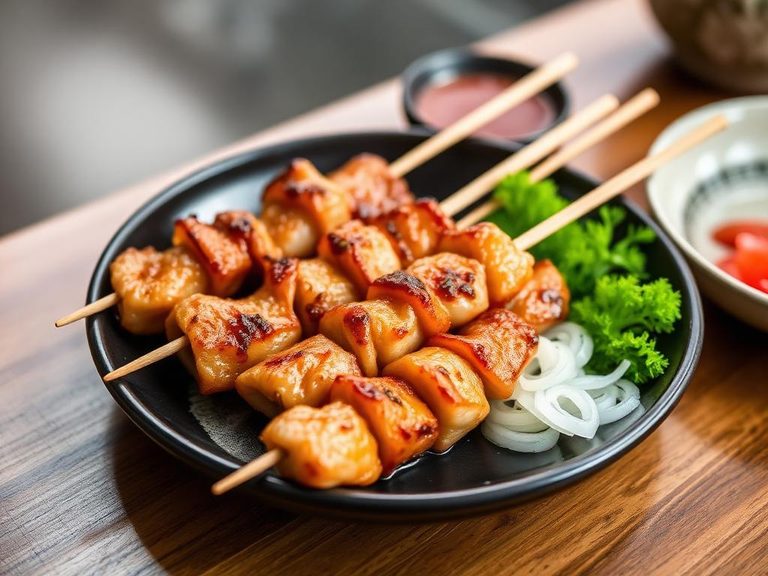
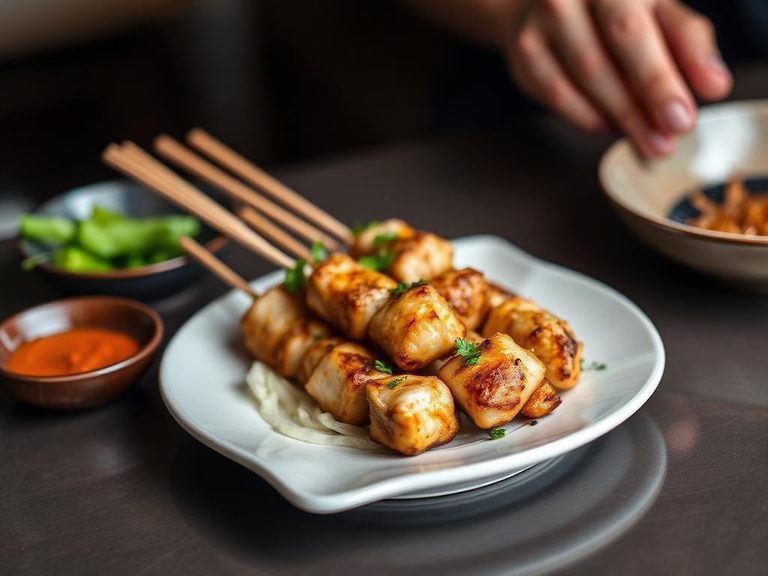
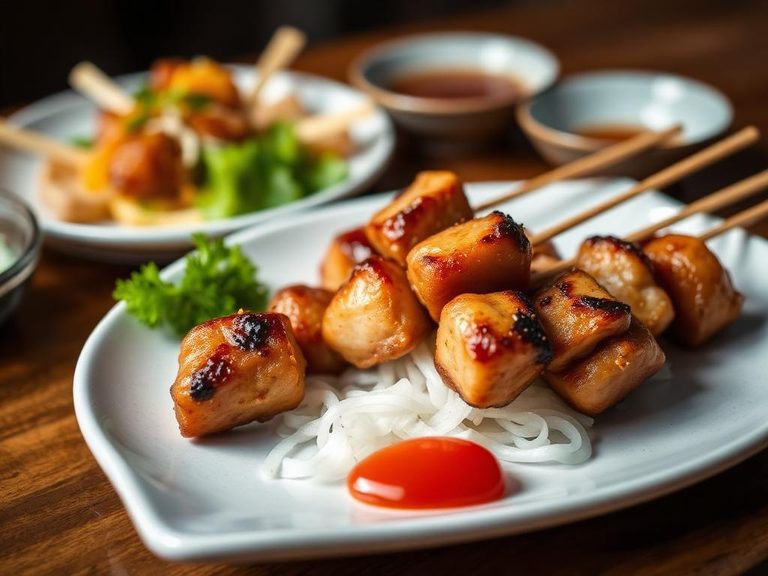
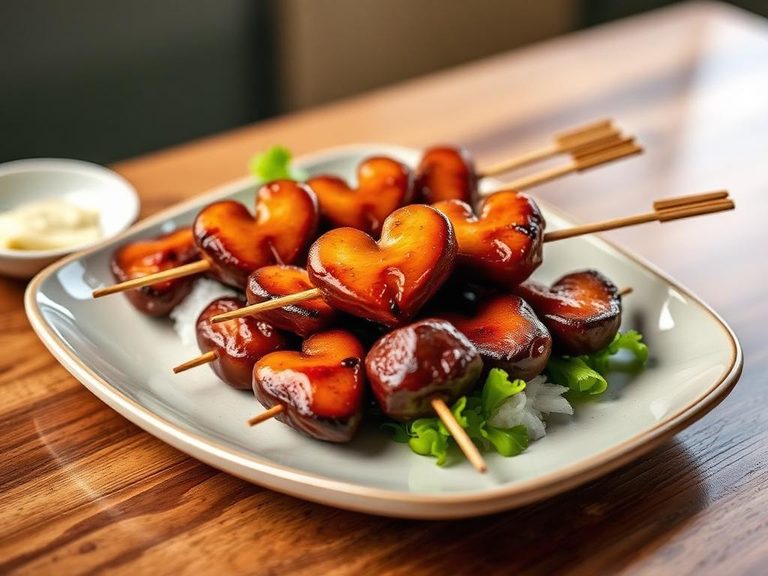
Tare is the glossy, savory-sweet glaze traditionally brushed onto yakitori (Japanese grilled chicken skewers) during cooking. It's a simple reduction of soy sauce, mirin, sake, and often sugar, creating a rich umami flavor that caramelizes over the charcoal. This essential condiment is a cornerstone of Japanese izakaya (pub) cuisine.
🍽️ Nutrition at a glance
Tare is primarily a source of carbohydrates from sugar and mirin, with negligible fat and protein. A typical serving (about 1 tablespoon) adds around 15-25 calories and provides a small amount of sodium and trace minerals from the soy sauce.
Nutrition breakdown
| Calories | 30 kcal |
| Protein | 1.5 g |
| Carbs | 5 g |
| Fat | 0.5 g |
| Fiber | 0 g |
| Sugar | 4 g |
| Sodium | 800 mg |
| Sodium | 800 mg |
| Potassium | 120 mg |
| Iron | 0.3 mg |
| Manganese | 0.2 mg |
| Niacin (B3) | 0.5 mg |
| Vitamin B6 | 0.04 mg |
| Magnesium | 10 mg |
| Phosphorus | 25 mg |
Per 2 tablespoons (36 g) · estimated, varies by recipe
💡 What's interesting
The magic of tare lies in its 'aged' nature; the same pot of glaze is often continuously replenished and simmered for years, accumulating complex, deep flavors from countless batches of grilled chicken. Nutritionally, it's a classic example of how a small amount of a potent, flavor-dense condiment can transform a lean protein dish.