

Standard infant feeding

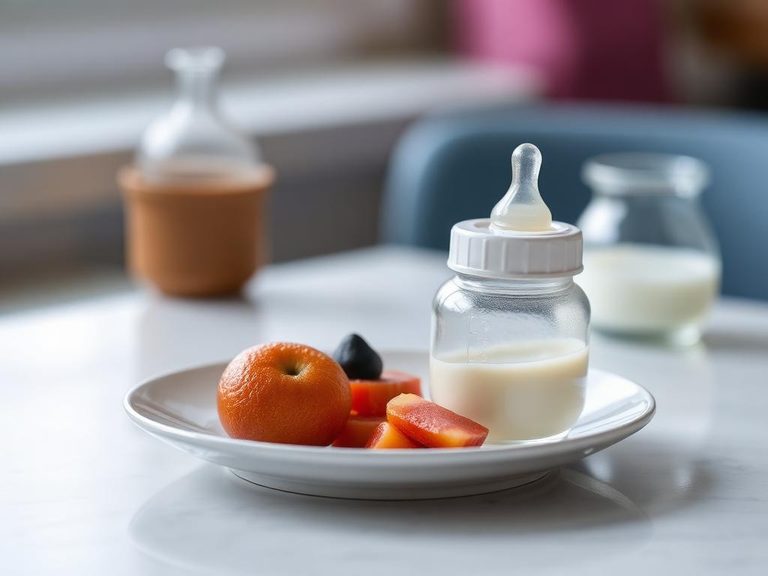
Standard infant feeding refers to the recommended practice of nourishing babies from birth through their first year, primarily through breast milk or infant formula, followed by the gradual introduction of solid foods (complementary feeding) around six months of age. It is a global nutritional standard, not a single dish, but a developmental feeding guideline.
🍽️ Nutrition at a glance
The primary 'dish' in early infancy (breast milk or formula) is energy-dense, providing a balanced mix of fats, carbohydrates, and protein essential for rapid growth. A typical 240 ml (8 oz) serving of infant formula or expressed breast milk provides approximately 130-150 calories, with key nutrients like calcium, iron (in formula), and vitamins A, C, and D.
Nutrition breakdown
| Calories | 140 kcal |
| Protein | 3.5 g |
| Carbs | 14 g |
| Fat | 8 g |
| Fiber | 0 g |
| Sugar | 14 g |
| Sodium | 55 mg |
| Calcium | 130 mg |
| Iron | 1.8 mg |
| Vitamin A | 70 µg RAE |
| Vitamin D | 1.0 µg |
| Vitamin C | 12 mg |
| Potassium | 160 mg |
| Phosphorus | 90 mg |
| Zinc | 0.8 mg |
Per 1 cup (240 ml) of ready-to-feed infant formula or breast milk · estimated, varies by recipe
💡 What's interesting
The composition of breast milk dynamically changes during a single feeding and over months to meet a baby's evolving needs, a feat no formula can fully replicate. Culturally, the timing and types of first solid foods introduced vary widely worldwide, from rice porridge in Asia to avocado in the Americas, reflecting local staple foods and beliefs.
🍽️ Related dishes






AI estimate may be inaccurate · Terms