

Soy-based baby cereal
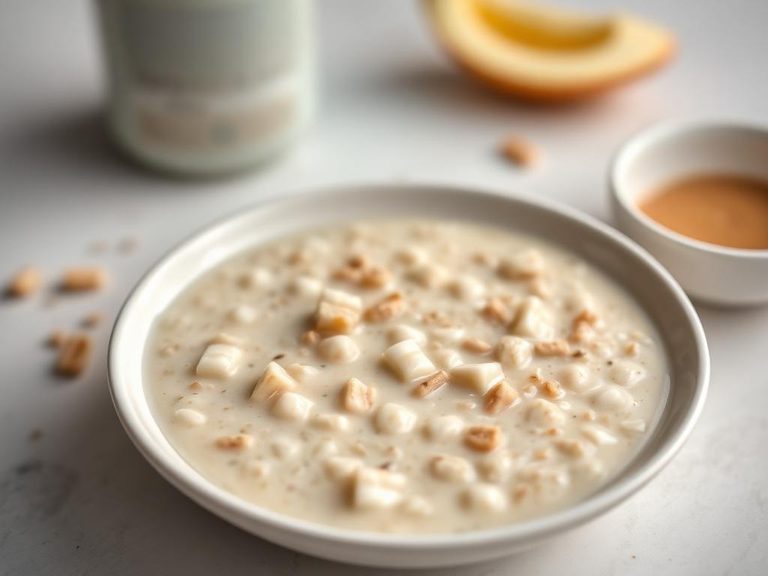
Soy-based baby cereal mixed with formula is a common introductory solid food for infants, typically made from finely milled soybeans, rice, or oats, and combined with infant formula or breast milk. It is widely used in many Asian countries, including China, as a convenient and nutrient-dense first food for babies transitioning from an all-liquid diet.
🍽️ Nutrition at a glance
This dish is primarily a source of carbohydrates for energy, with moderate protein from both the soy and formula, and a small amount of fat. It is often fortified with key nutrients like iron, calcium, and vitamins A and D to support infant growth, with a typical serving containing around 150-200 kcal.
Nutrition breakdown
| Calories | 180 kcal |
| Protein | 8 g |
| Carbs | 25 g |
| Fat | 5 g |
| Fiber | 3 g |
| Sugar | 6 g |
| Sodium | 120 mg |
| Iron | 4 mg |
| Calcium | 200 mg |
| Vitamin D | 2 mcg |
| Vitamin A | 150 mcg |
| Potassium | 250 mg |
| Phosphorus | 150 mg |
| Zinc | 1.5 mg |
| Vitamin B12 | 0.5 mcg |
Per 1 cup (240 g) · estimated, varies by recipe
💡 What's interesting
Culturally, soy has been a staple in East Asian diets for centuries, and its use in baby food reflects a traditional emphasis on plant-based nutrition. Nutritionally, the combination of soy with formula creates a complementary protein profile, making it a complete protein source for growing infants.
🍽️ Related dishes

AI estimate may be inaccurate · Terms