Soy-based ice cream
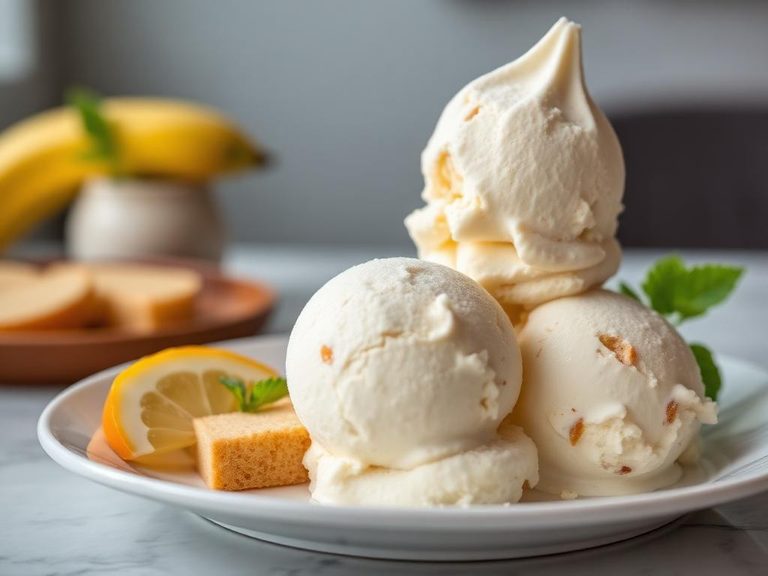
Soy-based ice cream is a creamy, frozen dessert made primarily from soy milk or soy protein, often sweetened and flavored like traditional ice cream. It typically includes ingredients like soy milk, sugar, stabilizers, and natural flavorings, and originated as a dairy-free alternative in East Asia, particularly Japan and China.
🍽️ Nutrition at a glance
This dessert is generally moderate in carbohydrates from sugars and may contain some fat from added oils or natural soy fats, while offering a small amount of plant-based protein. A standard serving (about ½ cup) usually ranges from 150 to 250 calories, with key nutrients including iron, calcium (if fortified), and isoflavones from soy.
Nutrition breakdown
| Calories | 150 kcal |
| Protein | 3 g |
| Carbs | 22 g |
| Fat | 6 g |
| Fiber | 2 g |
| Sugar | 18 g |
| Sodium | 60 mg |
| Calcium | 120 mg |
| Potassium | 150 mg |
| Vitamin D | 1.5 mcg |
| Iron | 0.7 mg |
| Magnesium | 20 mg |
| Phosphorus | 80 mg |
| Vitamin A | 45 mcg |
| Riboflavin (B2) | 0.08 mg |
Per 1/2 cup (120 g) · estimated, varies by recipe
💡 What's interesting
Culturally, soy-based ice cream reflects the long history of soy consumption in Asian cuisines and has gained global popularity as a vegan-friendly option. Nutritionally, it provides a source of complete plant protein and beneficial soy isoflavones, which are unique among non-dairy frozen desserts.