

Snack bar

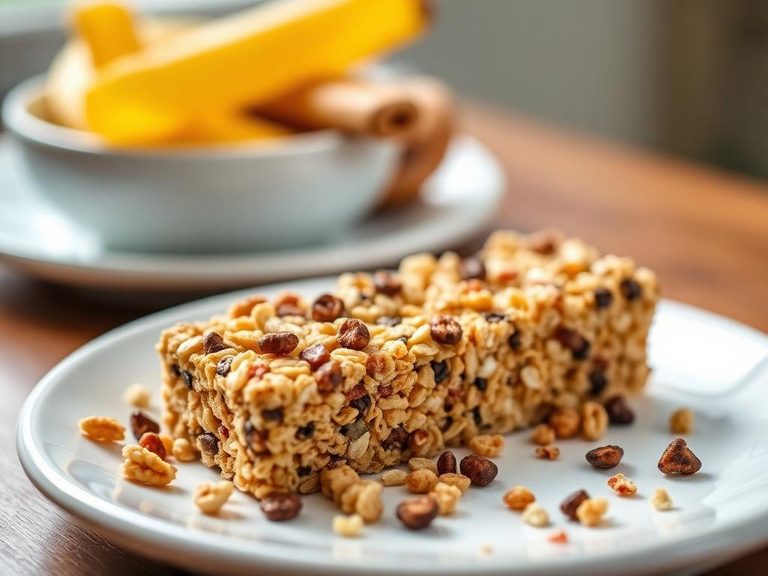
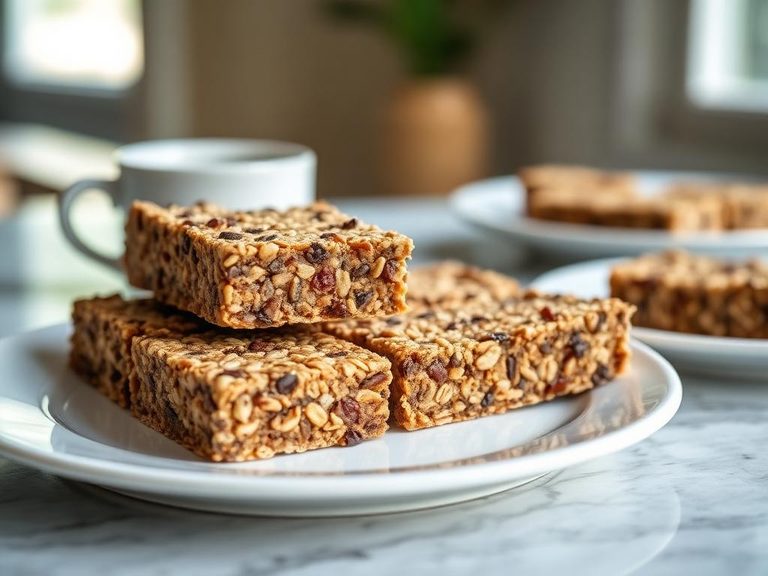
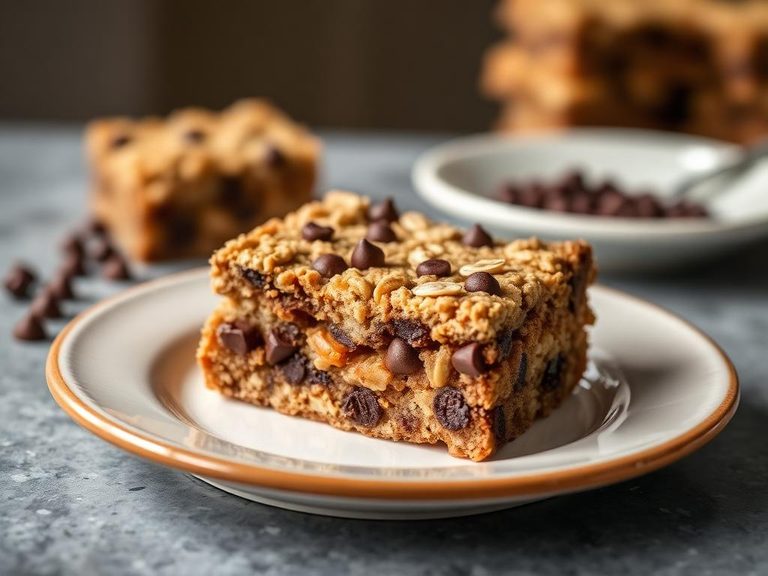
A snack bar is a convenient, portable food item typically made from a mixture of grains, nuts, seeds, and sweeteners, bound together with syrups or fats. It originated in the United States in the early 20th century as a quick energy source for workers and athletes.
🍽️ Nutrition at a glance
Snack bars are generally high in carbohydrates for quick energy, with moderate fat and protein content depending on ingredients like nuts or protein powders. A typical bar provides around 150-250 calories and can be a good source of fiber, vitamins, and minerals if fortified.
Nutrition breakdown
| Calories | 200 kcal |
| Protein | 3 g |
| Carbs | 30 g |
| Fat | 8 g |
| Fiber | 2 g |
| Sugar | 12 g |
| Sodium | 150 mg |
| Iron | 2 mg |
| Potassium | 150 mg |
| Magnesium | 40 mg |
| Phosphorus | 60 mg |
| Zinc | 1 mg |
| Vitamin B6 | 0.2 mg |
| Folate | 50 mcg |
| Vitamin E | 3 mg |
Per 1 bar (50 g) · estimated, varies by recipe
💡 What's interesting
Snack bars have evolved from simple energy boosters to a diverse category including protein bars, granola bars, and meal-replacement bars, reflecting changing lifestyles and dietary trends. Their compact, non-perishable nature makes them a staple in emergency kits and outdoor adventures worldwide.
🍽️ Related dishes





AI estimate may be inaccurate · Terms