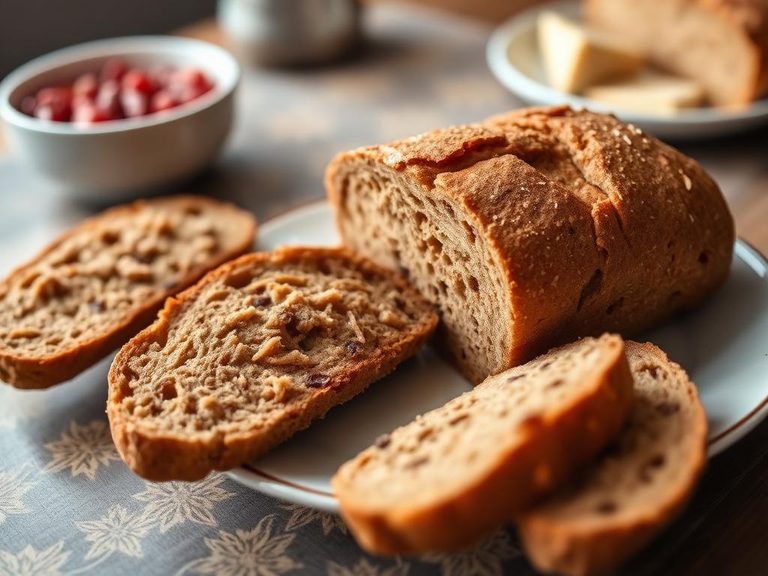
Rye coffee

Rye coffee is a caffeine-free beverage made from roasted rye grains, often blended with other grains like barley or chicory. It is a traditional staple in Northern and Eastern European countries, particularly Germany, Poland, and the Baltic states, where it serves as a common coffee substitute or a comforting, everyday drink.
🍽️ Nutrition at a glance
This beverage is low in calories and virtually fat-free, providing a modest amount of carbohydrates and dietary fiber. Its key nutrients include B vitamins like niacin and minerals such as magnesium and phosphorus.
Nutrition breakdown
| Calories | 15 kcal |
| Protein | 0.5 g |
| Carbs | 3 g |
| Fat | 0.1 g |
| Fiber | 0.8 g |
| Sugar | 0.2 g |
| Sodium | 5 mg |
| Magnesium | 10 mg |
| Phosphorus | 20 mg |
| Niacin (B3) | 0.5 mg |
| Potassium | 40 mg |
| Manganese | 0.1 mg |
| Selenium | 1 mcg |
| Copper | 0.02 mg |
| Iron | 0.2 mg |
Per 1 cup (240 g) · estimated, varies by recipe
💡 What's interesting
Rye coffee is culturally significant as a historic coffee substitute, especially during times of scarcity or in regions where coffee beans were not locally grown. Nutritionally, it offers a rich, earthy flavor without caffeine, making it a popular choice for those seeking a warm, grain-based beverage.