Rice cakes
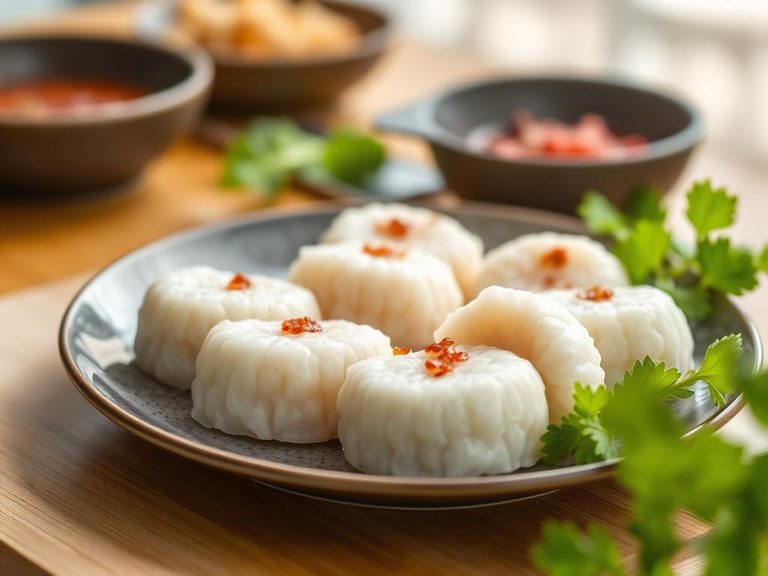
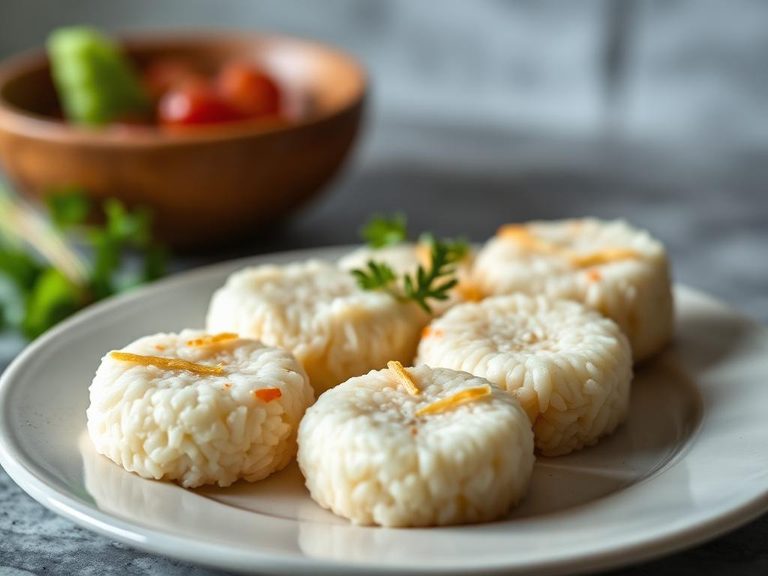
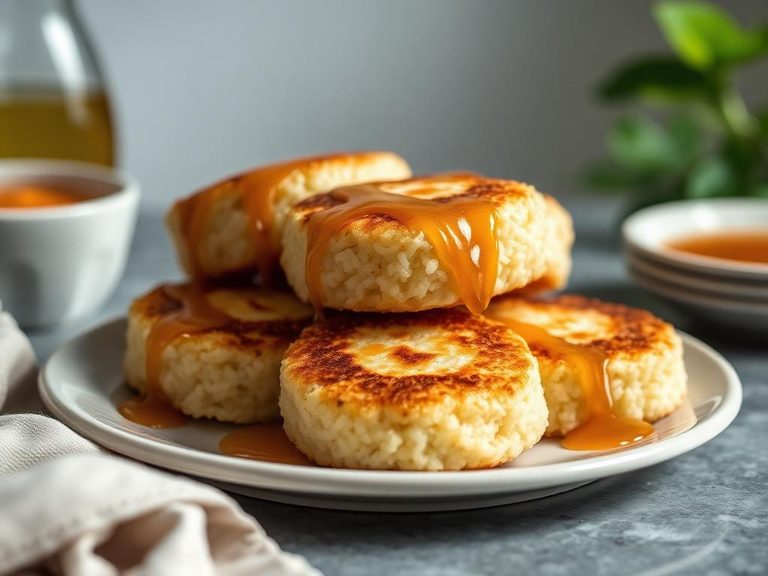
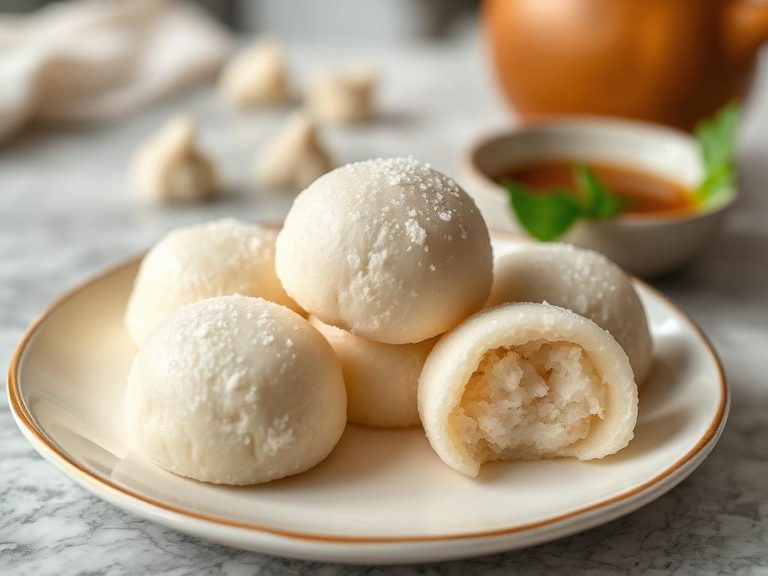
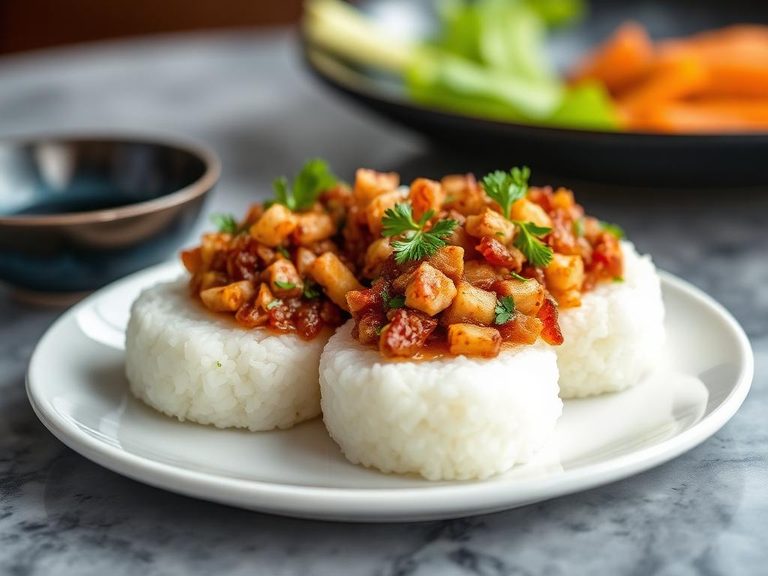
Korean rice cakes, or tteok, are chewy, cylindrical cakes made from steamed and pounded short-grain rice flour. They are a staple ingredient in Korean cuisine, used in a wide variety of dishes from savory stews like tteokbokki to sweet desserts and celebratory soups. The texture is uniquely dense and satisfying, making it a beloved comfort food.
🍽️ Nutrition at a glance
Tteok is predominantly high in carbohydrates, providing a quick source of energy with minimal fat and protein. A typical 100-gram serving contains roughly 200-250 calories, offering some B vitamins and minerals like iron from the rice.
Nutrition breakdown
| Calories | 350 kcal |
| Protein | 6 g |
| Carbs | 78 g |
| Fat | 1 g |
| Fiber | 2 g |
| Sugar | 0 g |
| Sodium | 10 mg |
| Iron | 2 mg |
| Magnesium | 20 mg |
| Phosphorus | 80 mg |
| Potassium | 90 mg |
| Thiamin (B1) | 0.1 mg |
| Niacin (B3) | 2 mg |
| Folate | 40 mcg |
| Manganese | 1 mg |
Per 1 cup (150 g) · estimated, varies by recipe
💡 What's interesting
Tteok is deeply woven into Korean culture, often served on birthdays (in tteokguk soup) and during holidays as a symbol of good fortune and a long life. Its unique, bouncy texture is a defining characteristic that sets it apart from other rice-based foods globally.