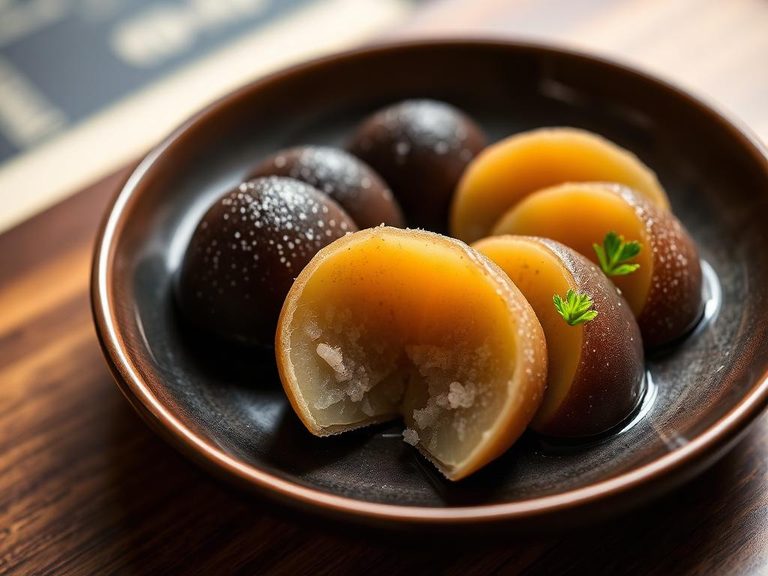
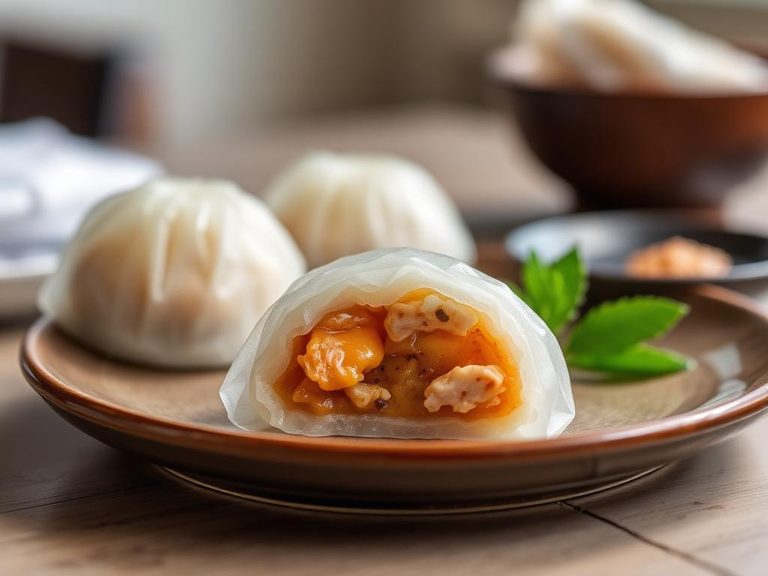
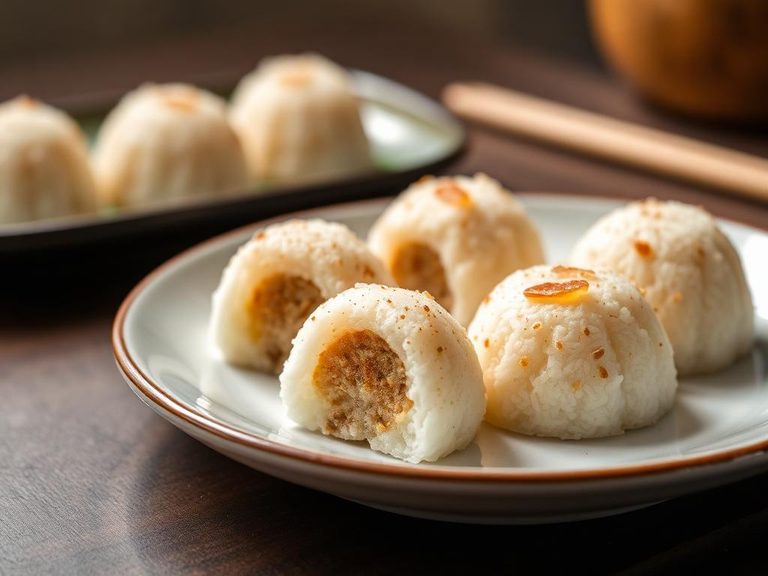
Red Bean Paste (Anko) for pastries and mochi
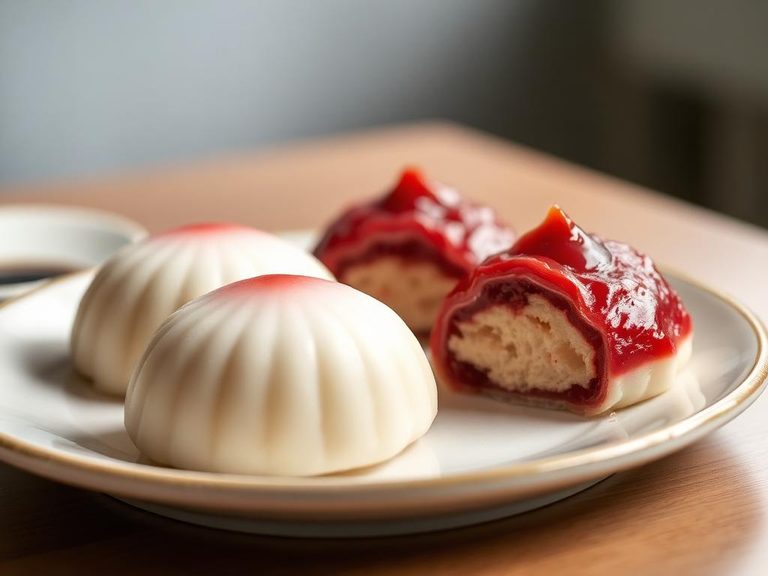
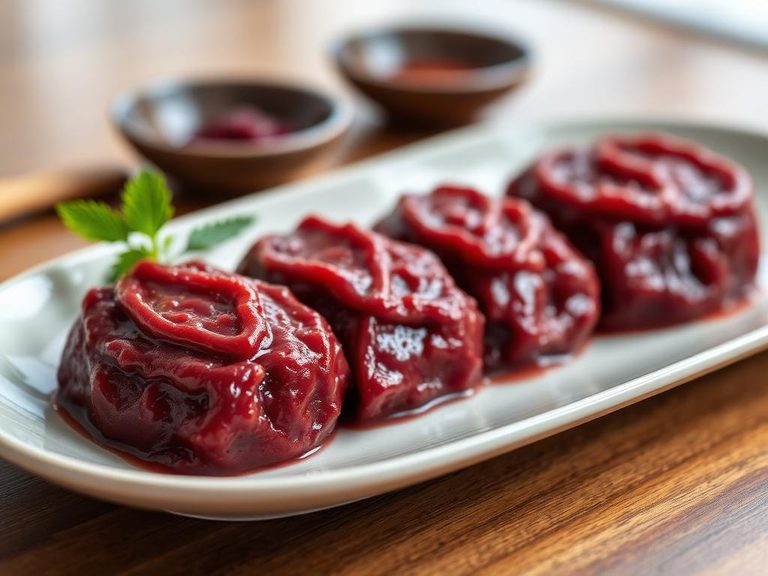
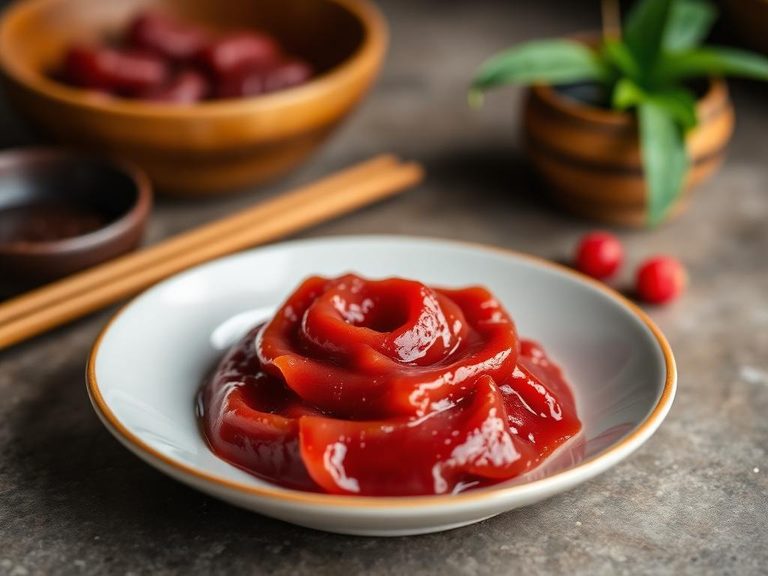
Red bean paste, known as 'anko' in Japanese, is a sweet, smooth or chunky paste made primarily from boiled and mashed azuki beans sweetened with sugar. It is a fundamental ingredient in many East Asian desserts, especially in Japanese confections (wagashi) and as a filling for mochi, dorayaki, and various pastries. Originating from China, it became a cornerstone of Japanese culinary tradition.
🍽️ Nutrition at a glance
Red bean paste is a carbohydrate-rich food, providing a significant amount of energy primarily from sugars and starch, with a modest amount of plant-based protein and dietary fiber. A typical serving contains roughly 200-300 calories, offering notable minerals like potassium and magnesium.
Nutrition breakdown
| Calories | 250 kcal |
| Protein | 8 g |
| Carbs | 52 g |
| Fat | 0.5 g |
| Fiber | 6 g |
| Sugar | 35 g |
| Sodium | 10 mg |
| Potassium | 350 mg |
| Magnesium | 60 mg |
| Iron | 2.5 mg |
| Phosphorus | 120 mg |
| Zinc | 1.5 mg |
| Manganese | 0.8 mg |
| Folate | 60 mcg |
| Thiamin (B1) | 0.2 mg |
Per 1/2 cup (130 g) · estimated, varies by recipe
💡 What's interesting
Culturally, anko is deeply symbolic in Japan, often associated with celebrations and the changing seasons, with its color and texture sometimes reflecting specific holidays. Nutritionally, azuki beans are considered one of the healthiest beans, rich in antioxidants and known in traditional medicine for their purported benefits to the heart and kidneys.