Anko

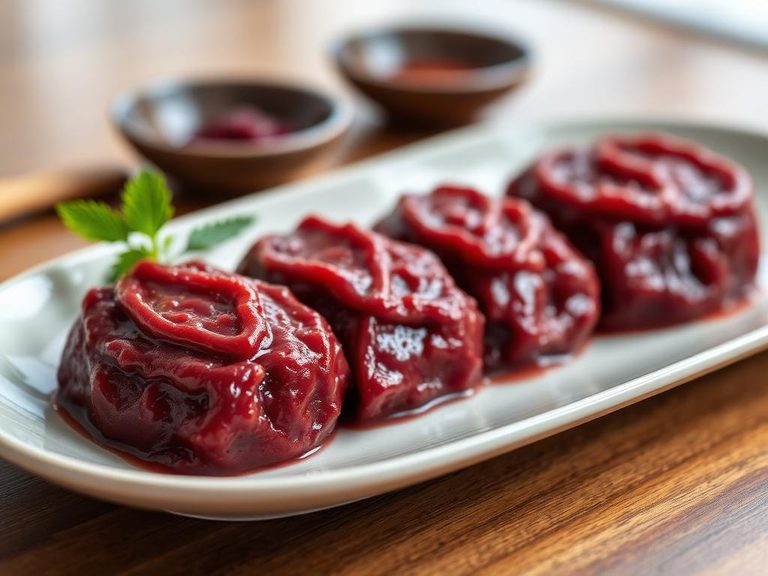
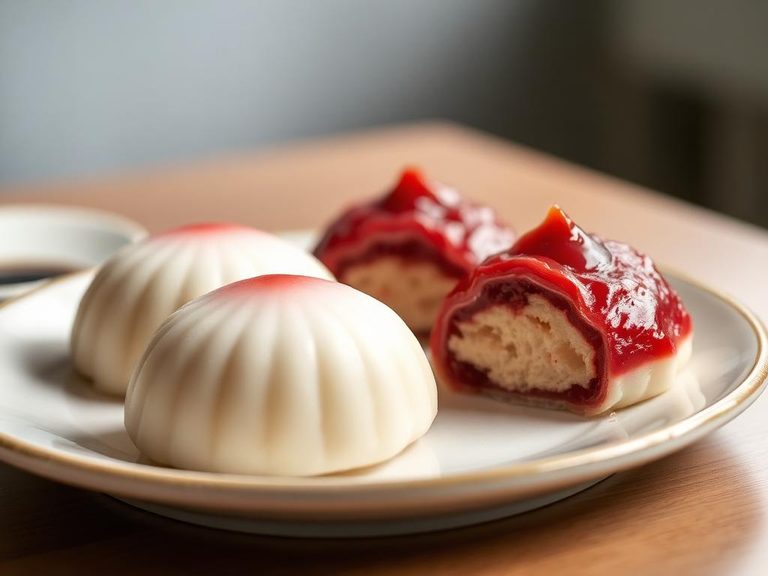
Anko is a sweet Japanese paste made from boiled azuki beans, typically sweetened with sugar. It's a fundamental ingredient in Japanese confections (wagashi), used as a filling in treats like mochi, dorayaki, and taiyaki. The texture can range from smooth (koshian) to chunky (tsubuan).
🍽️ Nutrition at a glance
Anko is primarily a source of carbohydrates, specifically complex carbs from the beans and simple sugars from the sweetener. A typical serving provides dietary fiber, plant-based protein, and minerals like potassium and iron, with a calorie count largely determined by its sugar content.
Nutrition breakdown
| Calories | 220 kcal |
| Protein | 6 g |
| Carbs | 45 g |
| Fat | 0.5 g |
| Fiber | 5 g |
| Sugar | 30 g |
| Sodium | 5 mg |
| Potassium | 350 mg |
| Iron | 1.5 mg |
| Magnesium | 45 mg |
| Phosphorus | 80 mg |
| Folate | 60 mcg |
| Manganese | 0.4 mg |
| Thiamin (B1) | 0.1 mg |
| Zinc | 1 mg |
Per 1/2 cup (130 g) · estimated, varies by recipe
💡 What's interesting
Anko's cultural significance is profound in Japan, where it's considered a 'soul food' and a symbol of celebration, often served during New Year's and other festivals. Nutritionally, the azuki beans themselves are a nutrient-dense legume, but the traditional preparation adds significant sugar, transforming it into a sweet treat.