Pink Lemonade

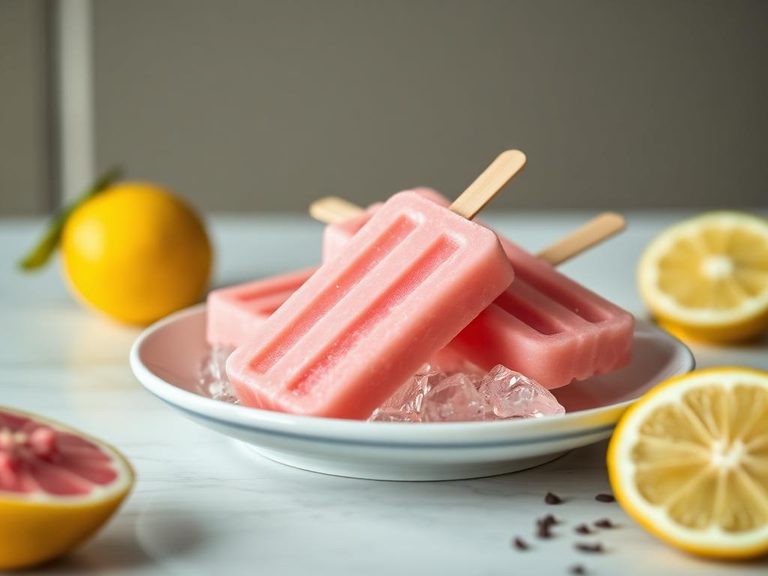
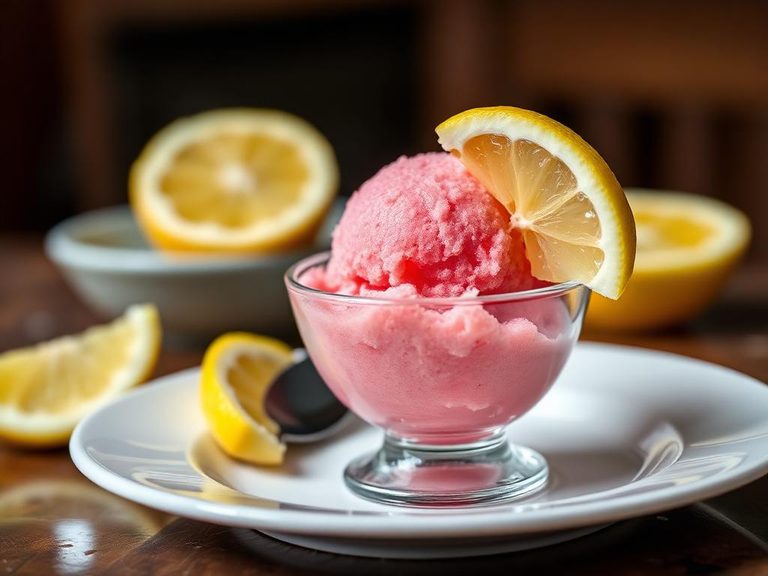
Pink lemonade is a refreshing, sweet-and-tart beverage traditionally made by combining lemon juice, sugar, water, and a red or pink coloring agent like cranberry juice, grenadine, or strawberry syrup. While its exact origin is debated, it is widely associated with American carnival and fair culture, often served as a chilled summer drink. As a base, it provides a vibrant, fruity foundation for cocktails, mocktails, and frozen treats.
🍽️ Nutrition at a glance
As a sugary beverage, pink lemonade is high in simple carbohydrates from added sugars, with negligible fat and protein. It primarily offers quick energy from calories, typically ranging from 100 to 150 calories per 8-ounce serving, and may provide small amounts of vitamin C from the lemon juice.
Nutrition breakdown
| Calories | 100 kcal |
| Protein | 0 g |
| Carbs | 26 g |
| Fat | 0 g |
| Fiber | 0 g |
| Sugar | 25 g |
| Sodium | 10 mg |
| Vitamin C | 15 mg |
| Potassium | 25 mg |
| Folate | 15 mcg |
| Niacin (B3) | 0.2 mg |
| Vitamin B6 | 0.02 mg |
| Magnesium | 5 mg |
| Calcium | 10 mg |
| Iron | 0.1 mg |
Per 1 cup (240 g) · estimated, varies by recipe
💡 What's interesting
Pink lemonade's distinctive color is often a result of a happy accident or deliberate marketing, with stories tracing its creation to a circus vendor who accidentally dropped red cinnamon candies into a batch of regular lemonade. Nutritionally, its main appeal is as a hydrating and palatable way to encourage fluid intake, though the added sugars mean it's best enjoyed in moderation.