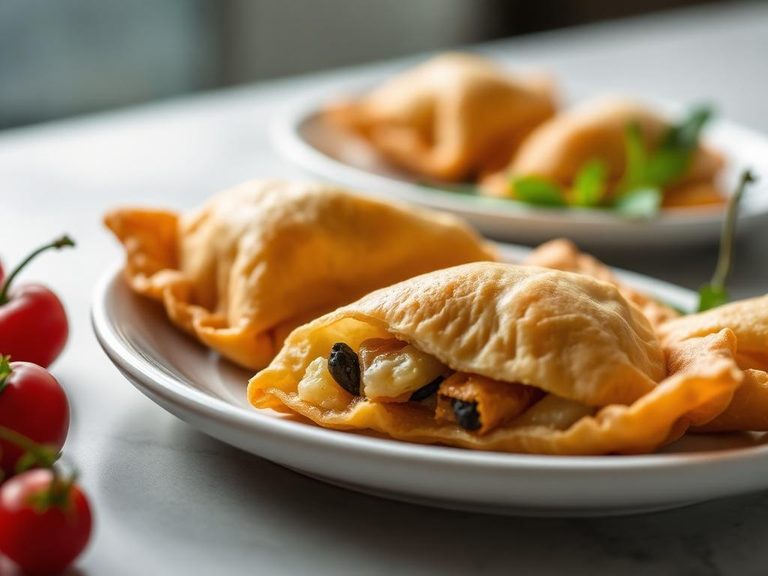
Pies and Pastries
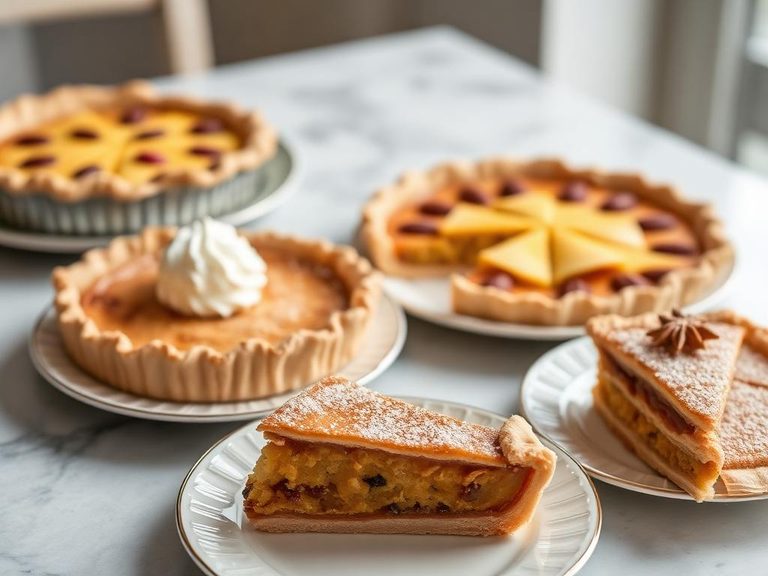
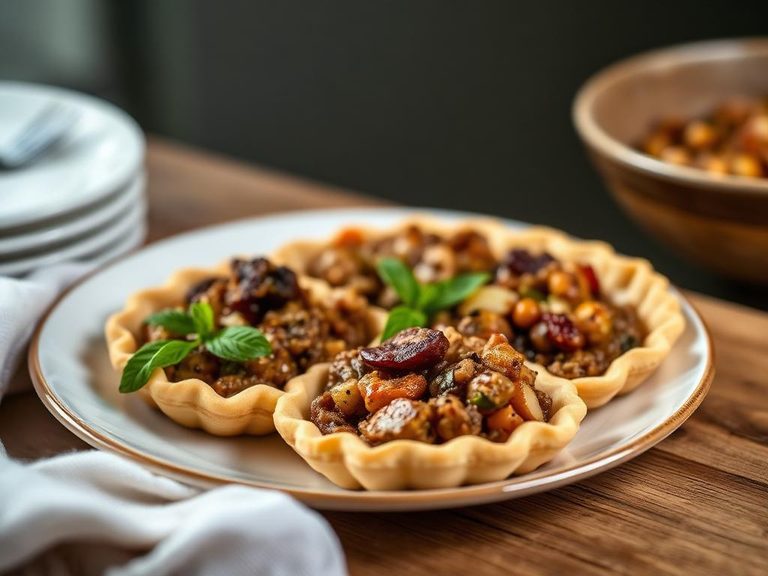
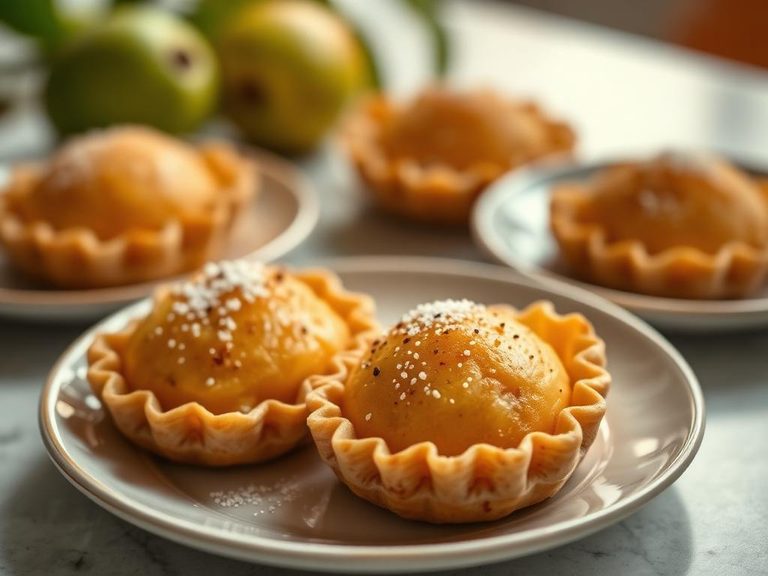
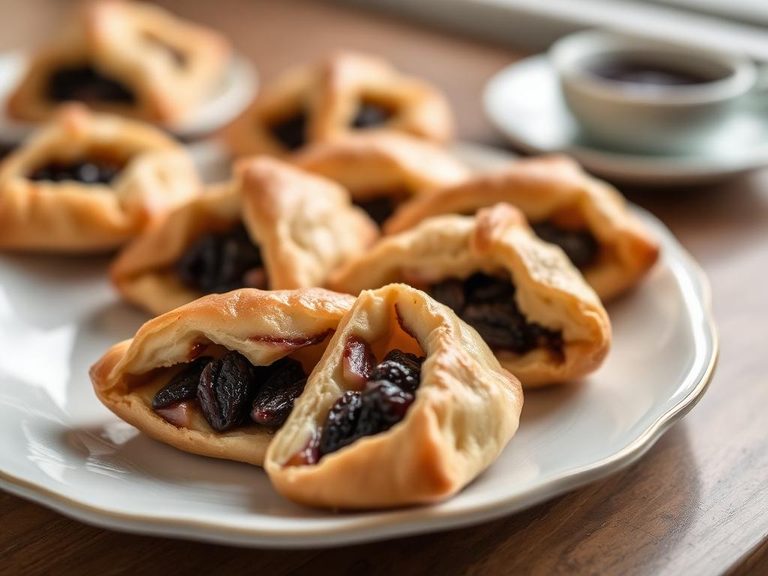
Pies and pastries are baked dishes consisting of a pastry dough crust that encloses or supports a filling, which can be sweet like fruit or cream, or savory like meat and vegetables. They are a global culinary staple, with famous examples ranging from British steak and kidney pie to French fruit tarts and American apple pie. The dough itself, often made from flour, fat, butter or shortening, and water, is the defining element.
🍽️ Nutrition at a glance
Pies and pastries are typically high in carbohydrates from the flour and fat from the butter or shortening in the crust, with protein content varying significantly based on the filling. A standard slice provides a good source of energy and can offer some vitamins and minerals depending on the ingredients, with a typical calorie range of 300-500 kcal per serving.
Nutrition breakdown
| Calories | 370 kcal |
| Protein | 4 g |
| Carbs | 55 g |
| Fat | 16 g |
| Fiber | 2 g |
| Sugar | 30 g |
| Sodium | 250 mg |
| Iron | 2 mg |
| Potassium | 150 mg |
| Vitamin C | 5 mg |
| Calcium | 20 mg |
| Vitamin A | 100 IU |
| Phosphorus | 40 mg |
| Magnesium | 15 mg |
| Niacin (B3) | 1 mg |
Per 1 slice of fruit pie (approx. 150 g) · estimated, varies by recipe
💡 What's interesting
The versatility of pie and pastry dough is culturally unique; the same basic technique of encasing a filling is adapted worldwide to local tastes, from sweet to savory. Nutritionally, they can be a dense source of energy, and when filled with fruits or vegetables, they can also provide dietary fiber and micronutrients.