

Glaze for pastries
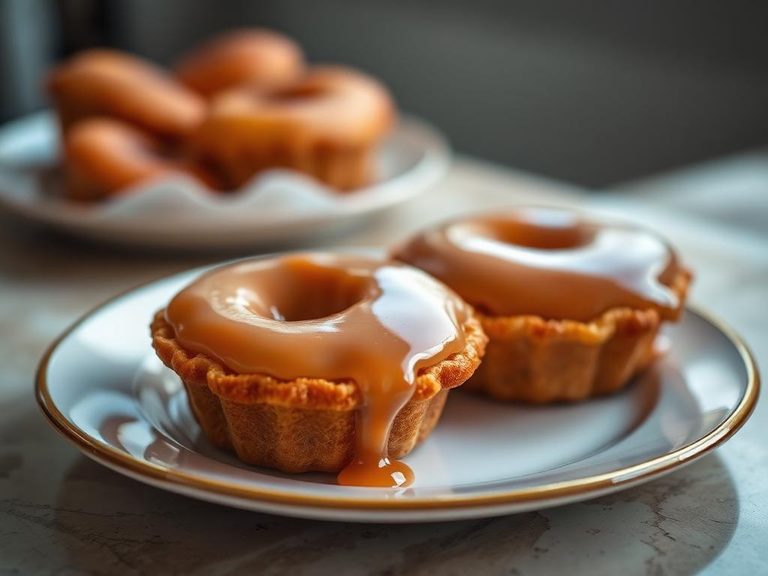
A glaze for pastries is a thin, sweet coating typically made from powdered sugar mixed with a liquid like milk, water, or citrus juice, often used to add shine and a sweet finish to baked goods like donuts, cinnamon rolls, and cookies. It originated in European baking traditions and is now a staple in bakeries worldwide.
🍳 View the full Glaze for pastries recipe →
🍽️ Nutrition at a glance
This glaze is primarily high in carbohydrates from sugar, with minimal fat or protein, and a typical serving (about 1-2 tablespoons) contains roughly 50-100 calories, offering quick energy but little nutritional value.
Nutrition breakdown
| Calories | 60 kcal |
| Protein | 0 g |
| Carbs | 15 g |
| Fat | 0 g |
| Fiber | 0 g |
| Sugar | 14 g |
| Sodium | 5 mg |
| Calcium | 1 mg |
| Iron | 0.1 mg |
| Potassium | 5 mg |
| Magnesium | 1 mg |
| Phosphorus | 2 mg |
| Selenium | 0.2 mcg |
Per 2 tablespoons (30 g) · estimated, varies by recipe
💡 What's interesting
Culturally, glazes are versatile and can be customized with flavors like vanilla, almond, or fruit extracts, making them a creative element in baking that enhances both appearance and taste without altering the pastry's core structure.
🍽️ Related dishes



AI estimate may be inaccurate · Terms