

PBJ
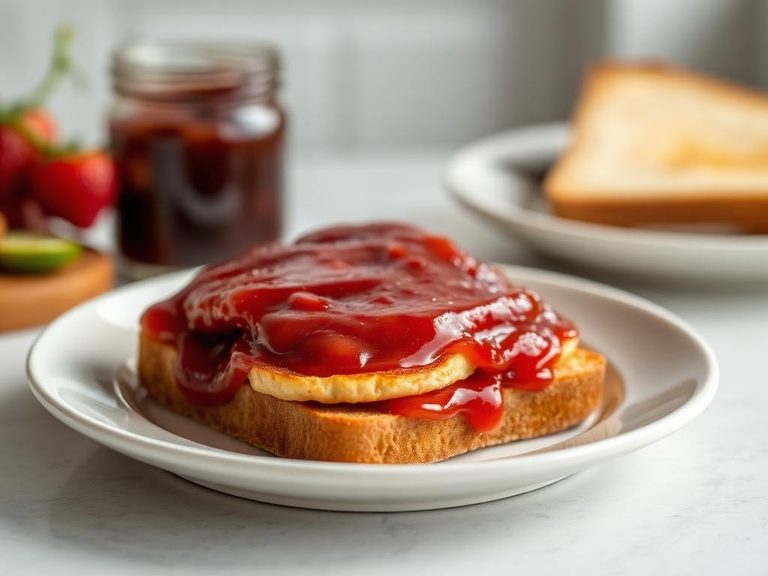
A Peanut Butter and Jelly (PBJ) sandwich is a simple, beloved American staple made by spreading peanut butter and fruit jelly or jam between two slices of bread. It typically uses soft sliced bread, creamy or crunchy peanut butter, and a sweet fruit preserve like grape or strawberry. This no-cook, quick-to-assemble meal is a common lunchbox item and a nostalgic comfort food for many.
🍽️ Nutrition at a glance
A standard PBJ is primarily a source of carbohydrates from the bread and jelly, with a moderate amount of plant-based protein and healthy fats from the peanut butter. It provides energy, some dietary fiber, and key nutrients like vitamin E and magnesium from the peanuts, with a typical serving ranging from 350 to 500 calories depending on portion sizes and ingredients.
Nutrition breakdown
| Calories | 390 kcal |
| Protein | 14 g |
| Carbs | 44 g |
| Fat | 18 g |
| Fiber | 5 g |
| Sugar | 14 g |
| Sodium | 480 mg |
| Potassium | 350 mg |
| Magnesium | 60 mg |
| Phosphorus | 150 mg |
| Niacin (B3) | 4 mg |
| Vitamin E | 3 mg |
| Iron | 2 mg |
| Zinc | 1.5 mg |
| Folate | 40 µg |
Per 1 sandwich (approx. 130 g) · estimated, varies by recipe
💡 What's interesting
The PBJ is a cultural icon of American childhood and convenience, often cited as a first independent meal many kids learn to make. Nutritionally, it's a classic example of combining complementary plant proteins (from peanuts and wheat bread) to form a more complete amino acid profile, a concept that was particularly valued in mid-20th century dietary advice.
🍽️ Related dishes
AI estimate may be inaccurate · Terms