

Pâté de Foie Gras
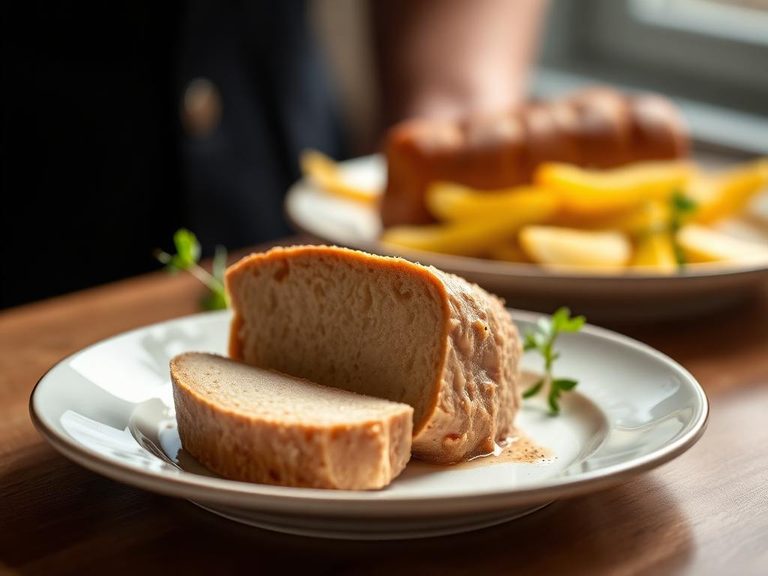
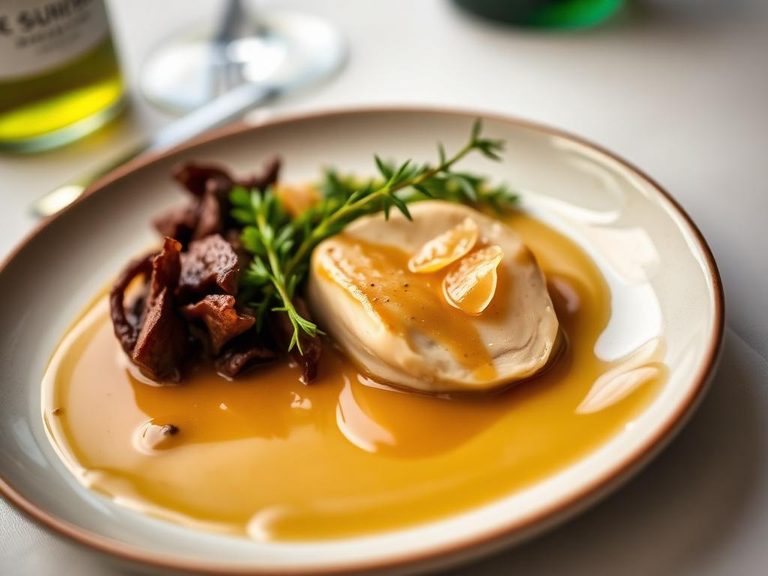
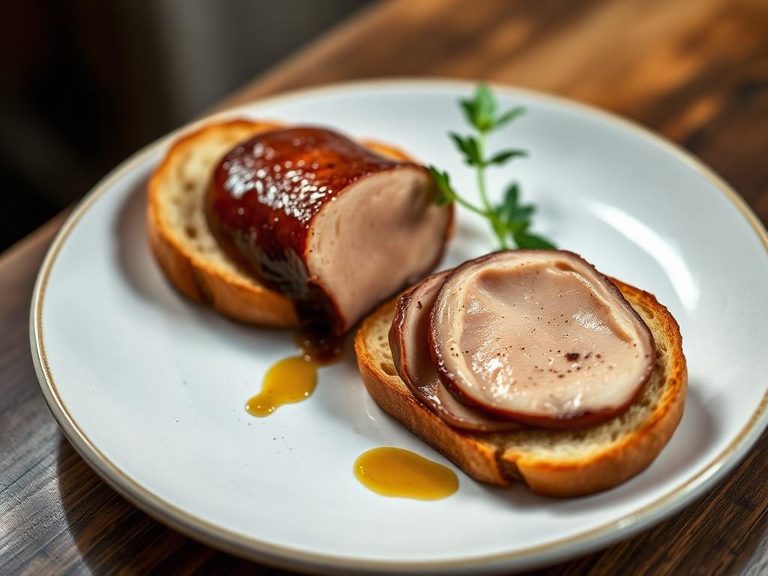
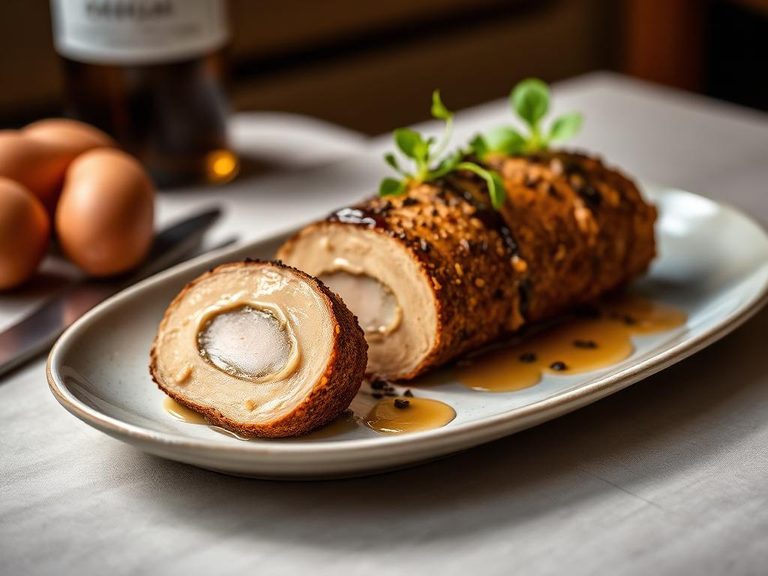
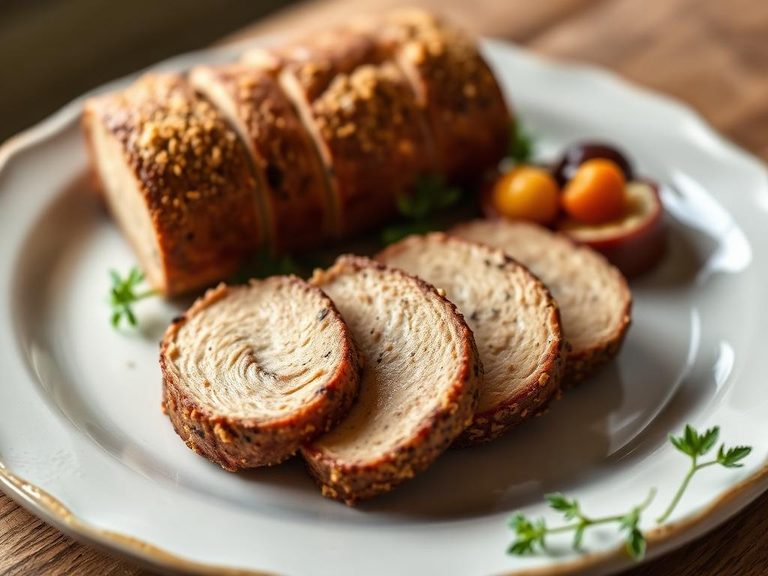
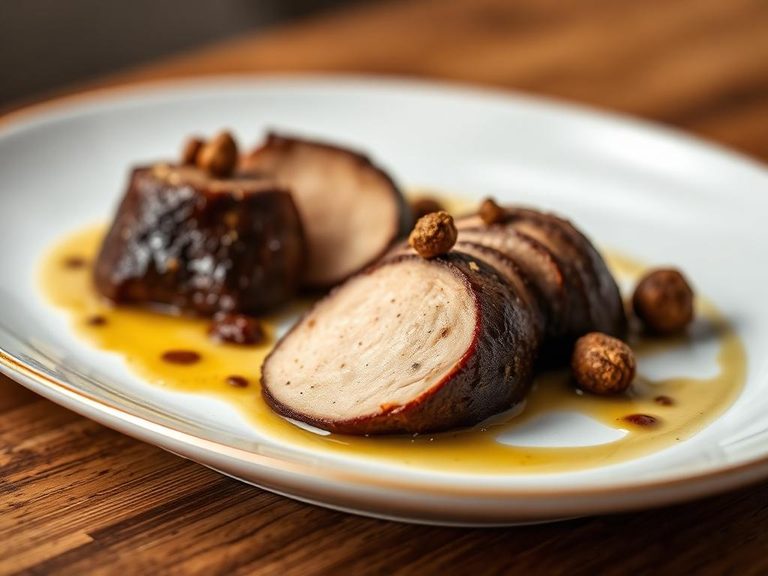
Pâté de Foie Gras is a luxurious French delicacy made from the liver of a duck or goose that has been specially fattened. The liver is typically cooked with seasonings, sometimes mixed with other ingredients like truffles or brandy, and served as a smooth, rich spread. It is a hallmark of haute cuisine, often associated with festive occasions and fine dining.
🍽️ Nutrition at a glance
This dish is exceptionally high in fat, particularly saturated fat, and is also a good source of protein. A typical serving provides a significant amount of calories, along with key nutrients like Vitamin A, Vitamin B12, and iron.
Nutrition breakdown
| Calories | 175 kcal |
| Protein | 4.5 g |
| Carbs | 1.5 g |
| Fat | 17 g |
| Fiber | 0 g |
| Sugar | 0.5 g |
| Sodium | 350 mg |
| Vitamin A | 900 µg RAE |
| Vitamin B12 | 2.0 µg |
| Iron | 2.5 mg |
| Copper | 0.3 mg |
| Selenium | 15 µg |
| Phosphorus | 90 mg |
| Zinc | 1.0 mg |
| Niacin (B3) | 3.0 mg |
Per 1 slice (50 g) · estimated, varies by recipe
💡 What's interesting
Culturally, foie gras is a symbol of French gastronomy and luxury, but its production via force-feeding (gavage) is a subject of significant ethical debate and legal restrictions in several countries. Nutritionally, it is one of the most calorie-dense foods, offering a concentrated source of fat-soluble vitamins.
🍽️ Related dishes
AI estimate may be inaccurate · Terms