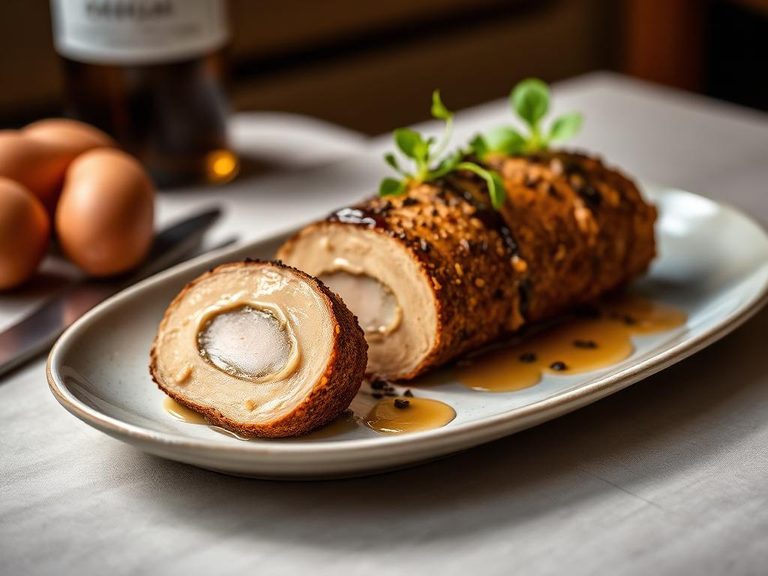
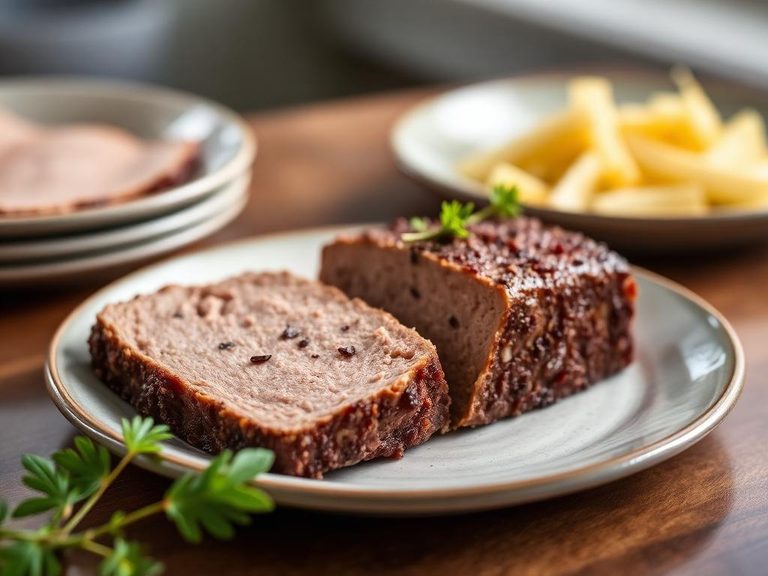
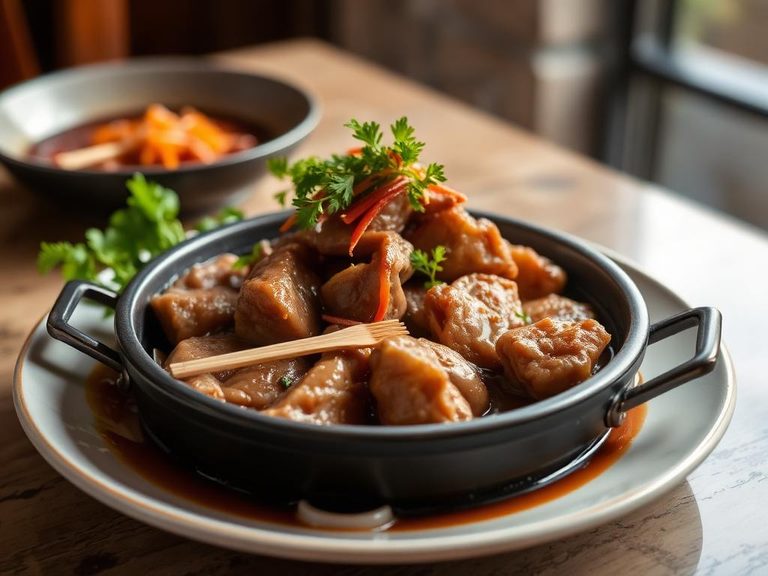
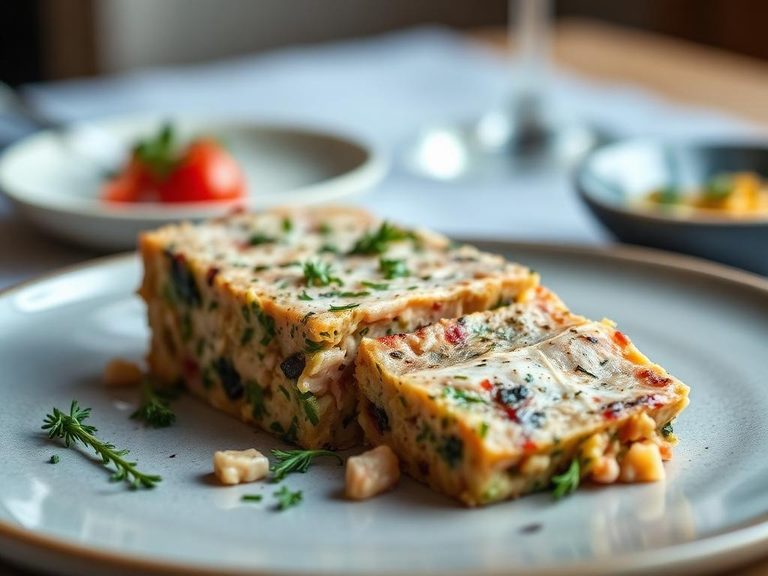
Offal Terrine or Pâté
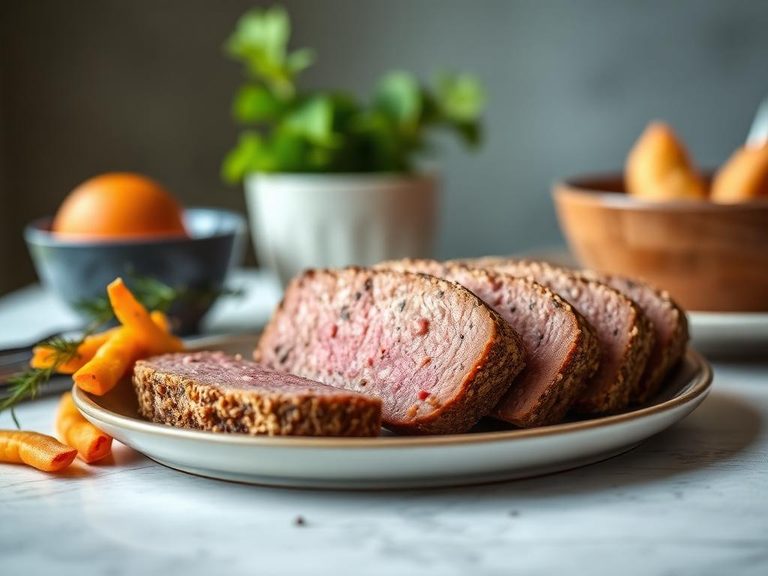
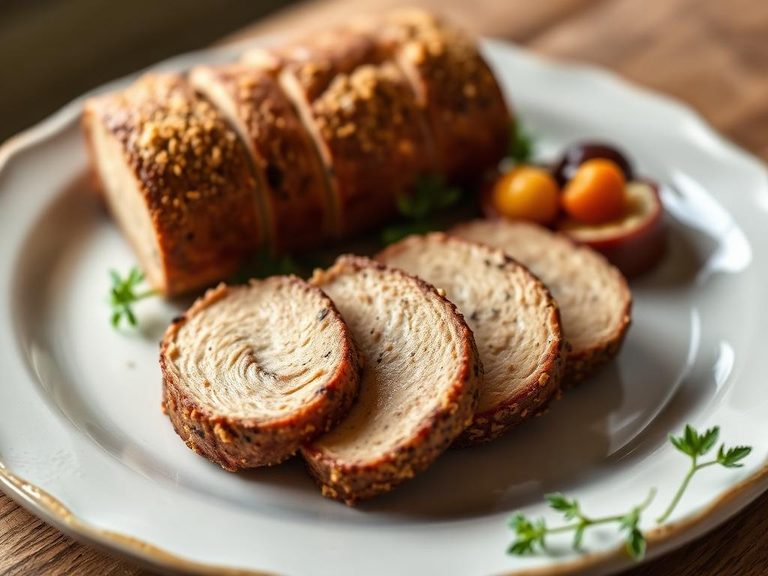
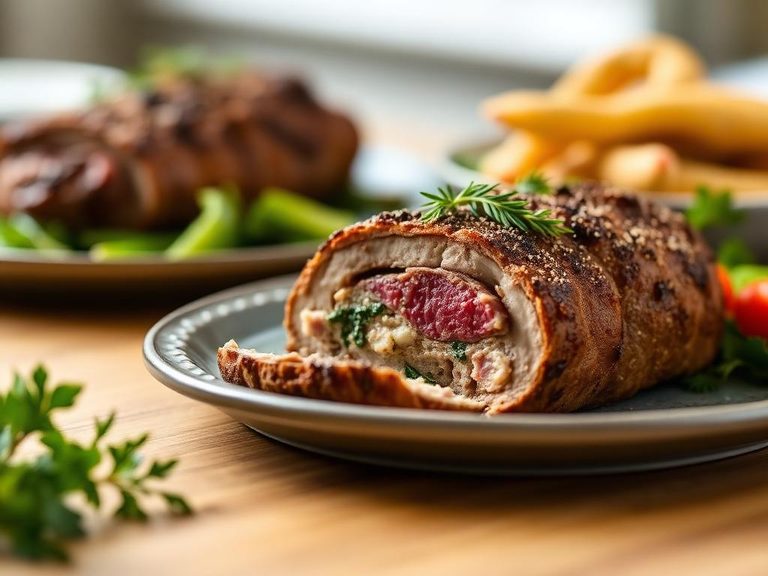
An offal terrine or pâté is a savory, rich spread or molded dish originating from French and broader European cuisine, traditionally made from finely chopped or puréed organ meats like liver, heart, or kidneys, often mixed with fat, herbs, and sometimes wine or spirits. It's typically set in a mold and served chilled or at room temperature, often as an appetizer with bread or crackers.
🍽️ Nutrition at a glance
This dish is very high in protein and fat, with minimal carbohydrates, and is a dense source of nutrients like iron, vitamin B12, and vitamin A. A typical serving can range from 200 to 400 calories, depending on the specific organ meats and fat content used.
Nutrition breakdown
| Calories | 230 kcal |
| Protein | 14 g |
| Carbs | 1 g |
| Fat | 18 g |
| Fiber | 0 g |
| Sugar | 0.5 g |
| Sodium | 480 mg |
| Iron | 4.5 mg |
| Vitamin B12 | 16 µg |
| Vitamin A | 450 µg RAE |
| Selenium | 28 µg |
| Niacin (B3) | 6.5 mg |
| Phosphorus | 220 mg |
| Zinc | 3.2 mg |
| Copper | 0.8 mg |
Per 1 serving (85 g) · estimated, varies by recipe
💡 What's interesting
Culturally, offal terrines represent a traditional 'nose-to-tail' eating philosophy, making use of the entire animal, and they are a staple in charcuterie. Nutritionally, they are exceptionally nutrient-dense, providing a concentrated source of heme iron and essential vitamins that are more bioavailable than from many plant sources.