Mongolian Offal Hot Pot
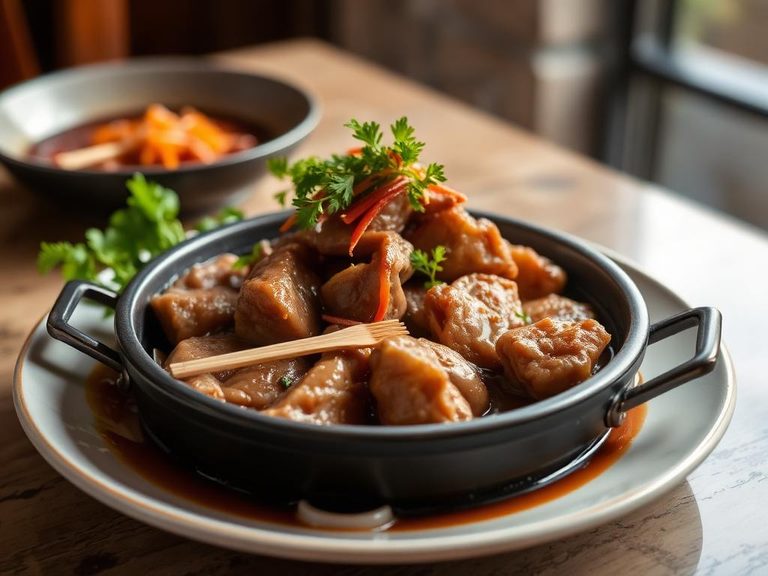
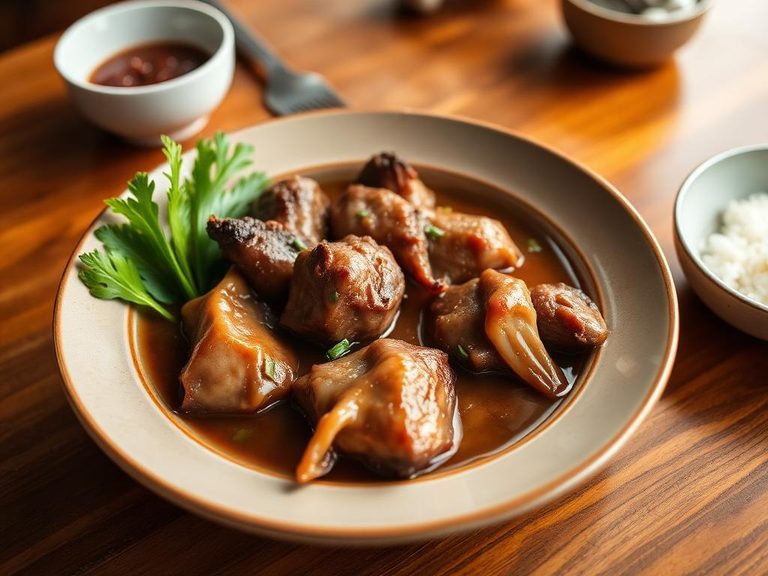
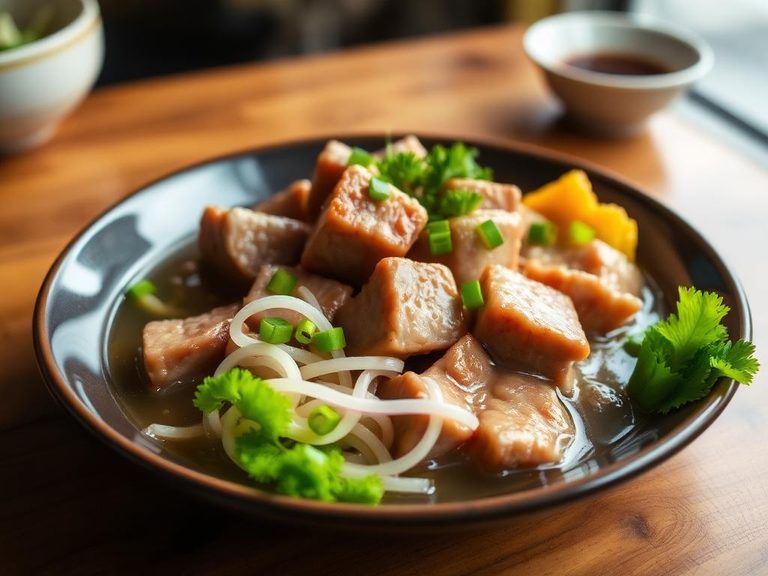
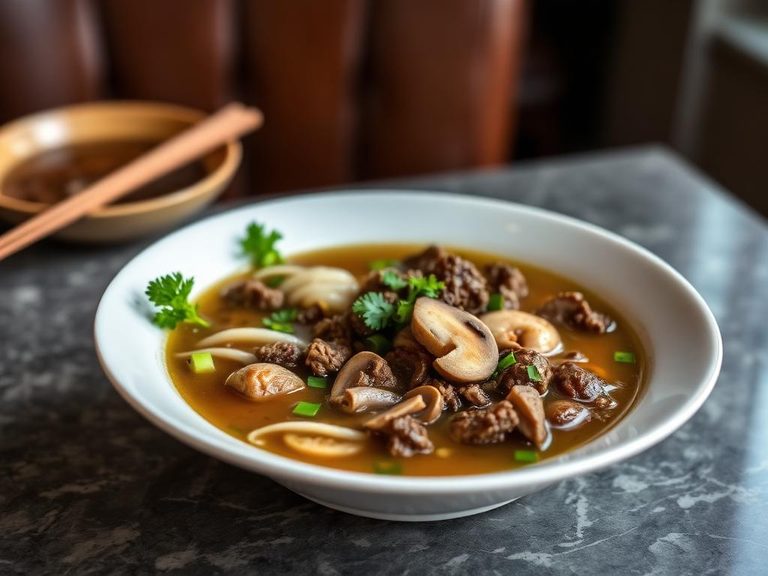
Mongolian Offal Hot Pot is a hearty, communal dish from Mongolia featuring a rich broth simmered with various organ meats, such as liver, heart, and kidneys, along with cuts like tripe and sometimes blood sausage. It is traditionally cooked in a large pot over an open fire and is a staple in nomadic cuisine, often enjoyed during cold winters for its warming and nourishing qualities.
🍽️ Nutrition at a glance
This dish is high in protein and fat, with minimal carbohydrates, providing essential nutrients like iron, vitamin B12, and zinc. A typical serving can range from 300 to 500 calories, depending on the specific offal cuts and broth richness.
Nutrition breakdown
| Calories | 400 kcal |
| Protein | 30 g |
| Carbs | 5 g |
| Fat | 28 g |
| Fiber | 1 g |
| Sugar | 2 g |
| Sodium | 800 mg |
| Iron | 6 mg |
| Vitamin B12 | 15 µg |
| Zinc | 8 mg |
| Potassium | 450 mg |
| Phosphorus | 350 mg |
| Selenium | 40 µg |
| Niacin (B3) | 10 mg |
| Riboflavin (B2) | 1.5 mg |
Per 1 bowl (300 g) · estimated, varies by recipe
💡 What's interesting
Culturally, this hot pot reflects Mongolia's nomadic lifestyle, where using the whole animal minimizes waste and maximizes nutrition in harsh environments. Nutritionally, offal is a powerhouse of micronutrients often lacking in modern diets, making it a unique and sustainable food choice.