

Nicotine replacement gum
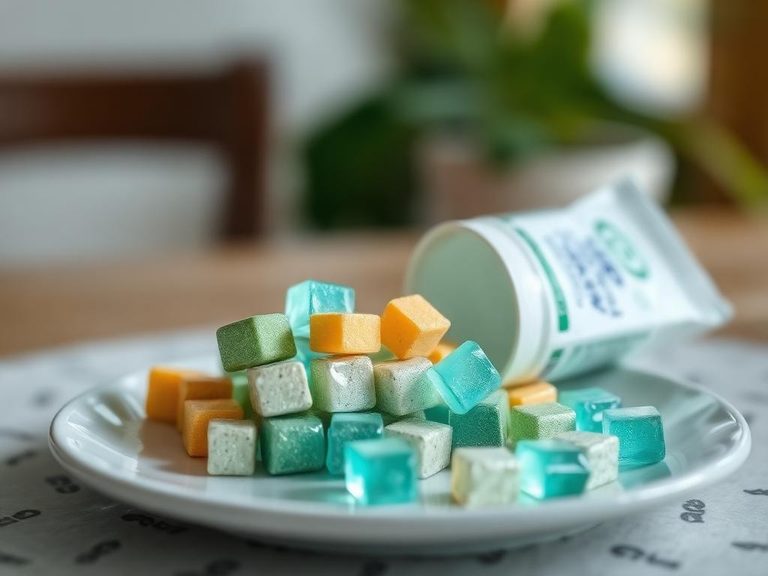
Nicotine replacement gum is not a traditional food dish, but a therapeutic product designed to help people quit smoking by delivering controlled doses of nicotine. It typically contains nicotine polacrilex (a resin-nicotine complex), sweeteners, flavoring agents, and a gum base. It originated in the late 20th century as part of pharmaceutical smoking cessation aids.
🍳 View the full Nicotine replacement gum recipe →
🍽️ Nutrition at a glance
This product is not intended for nutritional value; it contains negligible calories (usually under 10 per piece) and provides no significant carbohydrates, fats, or proteins. Its primary 'nutrient' is nicotine, a stimulant, along with small amounts of sugar alcohols or artificial sweeteners.
Nutrition breakdown
| Calories | 5 kcal |
| Protein | 0 g |
| Carbs | 1 g |
| Fat | 0 g |
| Fiber | 0 g |
| Sugar | 0 g |
| Sodium | 5 mg |
| Nicotine | 2 mg |
| Xylitol | 1 g |
| Calcium | 10 mg |
| Potassium | 5 mg |
Per 1 piece (2 g) · estimated, varies by recipe
💡 What's interesting
Culturally, nicotine gum represents a fascinating intersection of public health, addiction science, and consumer product design, often marketed in pharmacies rather than grocery aisles. Nutritionally, it's unique because it's a non-food item consumed orally, designed for slow chewing to facilitate nicotine absorption through the mouth's mucous membranes rather than digestion.
🍽️ Related dishes





AI estimate may be inaccurate · Terms