Mixed into soft rice cereal
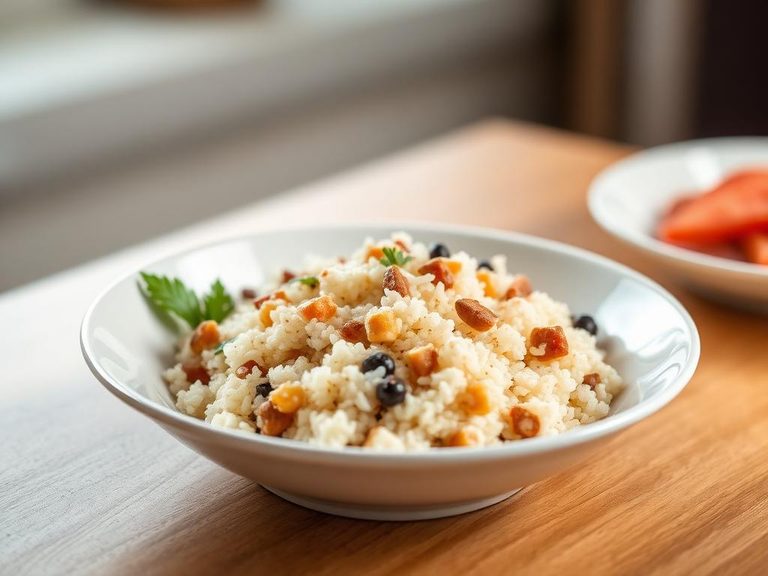
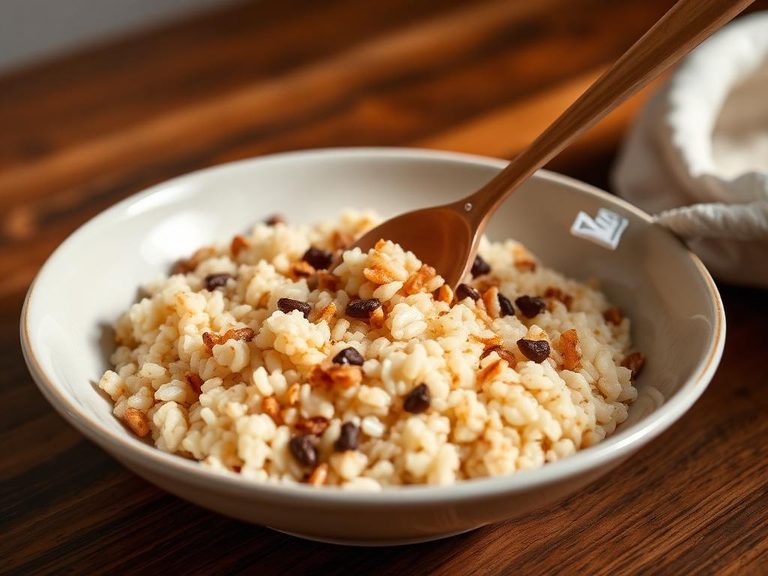
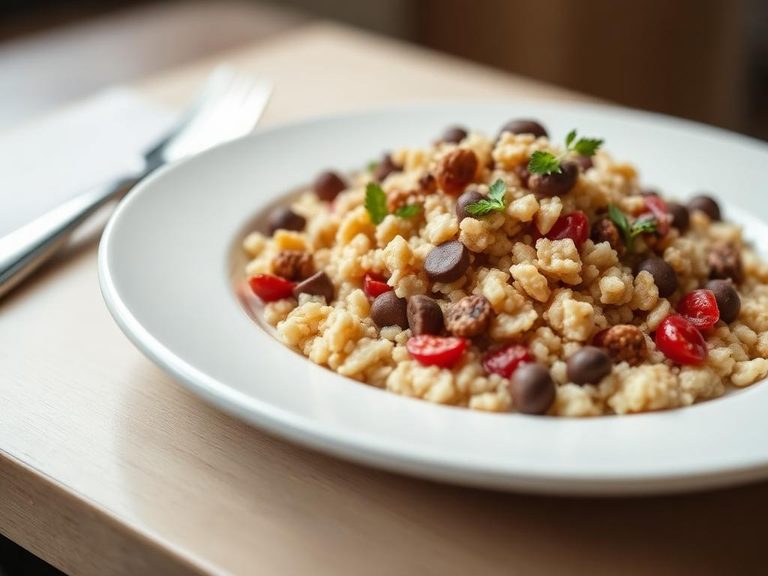
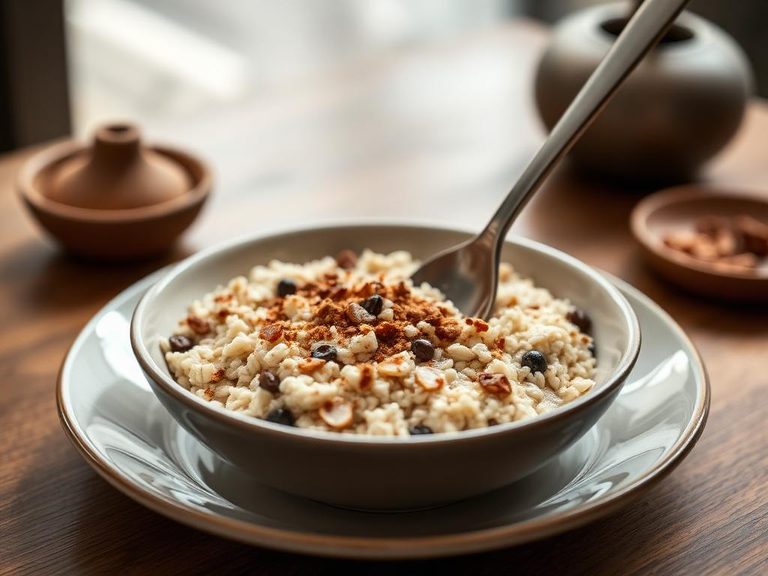
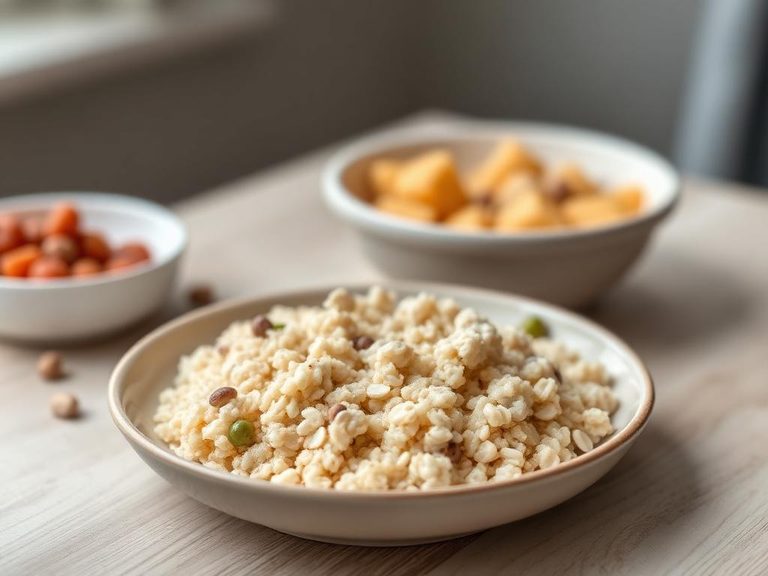
Mixed into soft rice cereal, often known as 'congee' or 'jook' in East Asian cuisines, is a comforting, savory porridge made by slow-cooking rice in water or broth until it breaks down into a smooth, creamy consistency. It is typically served plain or mixed with a variety of toppings and ingredients like shredded chicken, pork, century egg, ginger, scallions, and crispy fried shallots. This dish is a staple breakfast and comfort food across China, Taiwan, and other parts of Asia.
🍽️ Nutrition at a glance
This dish is primarily high in carbohydrates from the rice base, providing a gentle source of energy. Depending on the added proteins and fats from toppings, it can be a balanced meal, offering key nutrients like B vitamins, iron, and electrolytes from the broth, with a typical serving ranging from 150 to 300 calories.
Nutrition breakdown
| Calories | 220 kcal |
| Protein | 8 g |
| Carbs | 38 g |
| Fat | 3 g |
| Fiber | 1 g |
| Sugar | 0 g |
| Sodium | 450 mg |
| Manganese | 1.2 mg |
| Selenium | 12 mcg |
| Thiamin (B1) | 0.2 mg |
| Niacin (B3) | 2.5 mg |
| Iron | 1.8 mg |
| Phosphorus | 120 mg |
| Magnesium | 25 mg |
| Potassium | 180 mg |
Per 1 bowl (300 g) · estimated, varies by recipe
💡 What's interesting
Culturally, congee is deeply embedded as a healing food, often served to the sick, elderly, or during cold weather for its easy digestibility and soothing warmth. Nutritionally, the long cooking process breaks down the rice starches, making it exceptionally gentle on the digestive system.