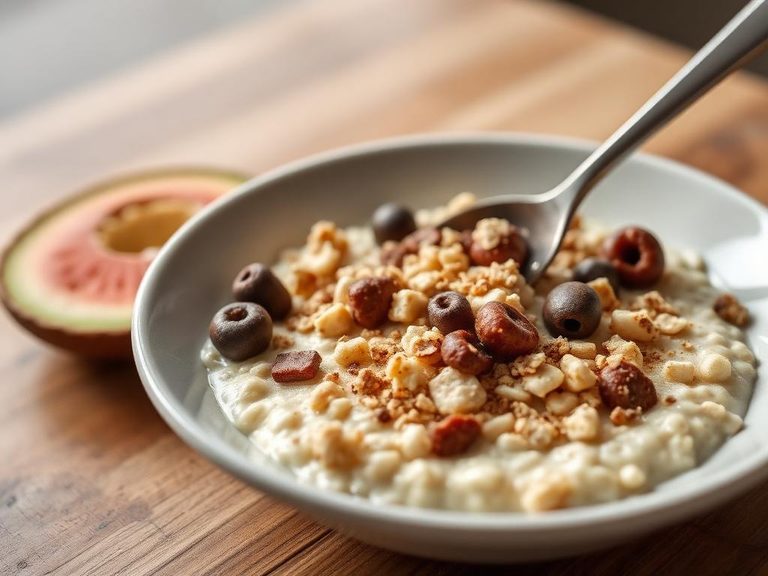
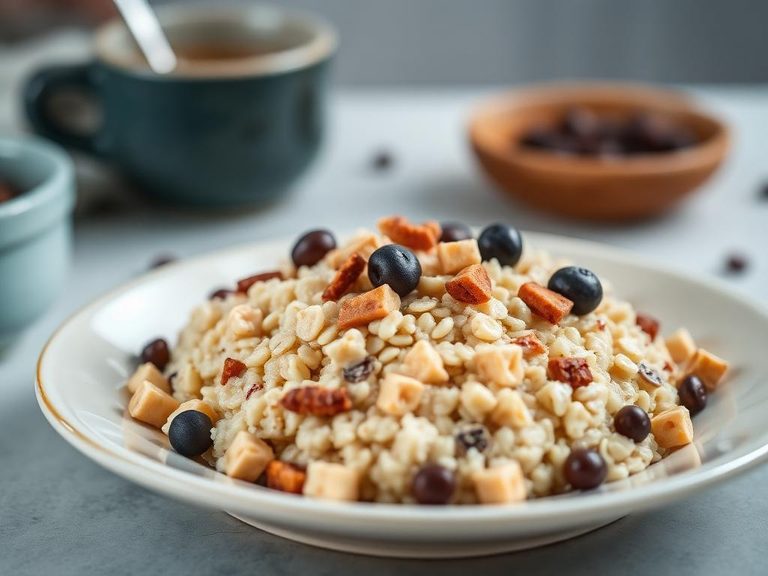
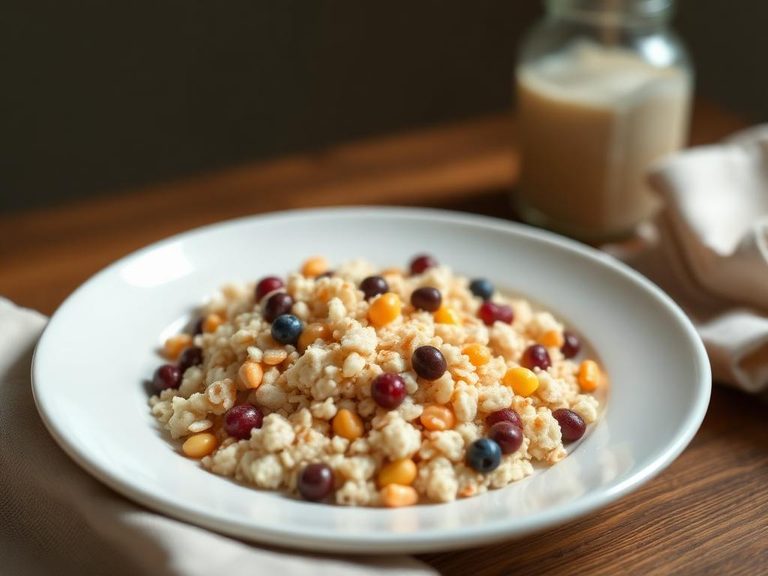
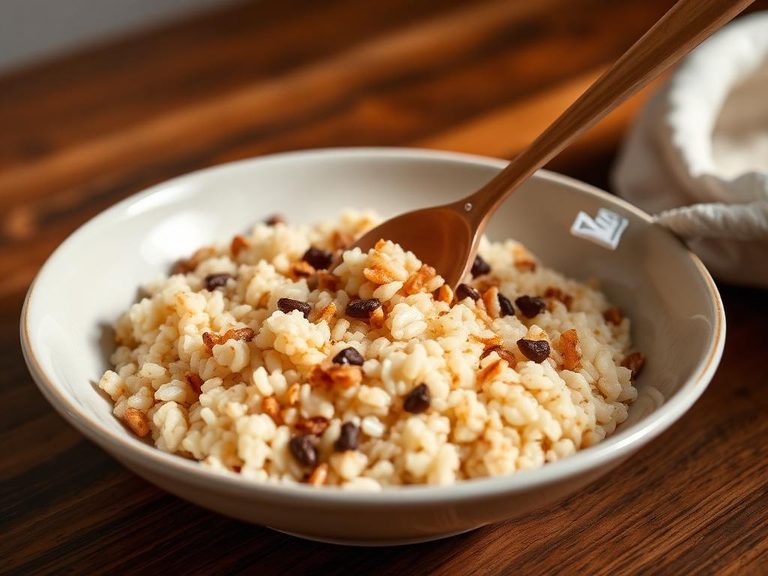
Mixed into baby oatmeal or rice cereal
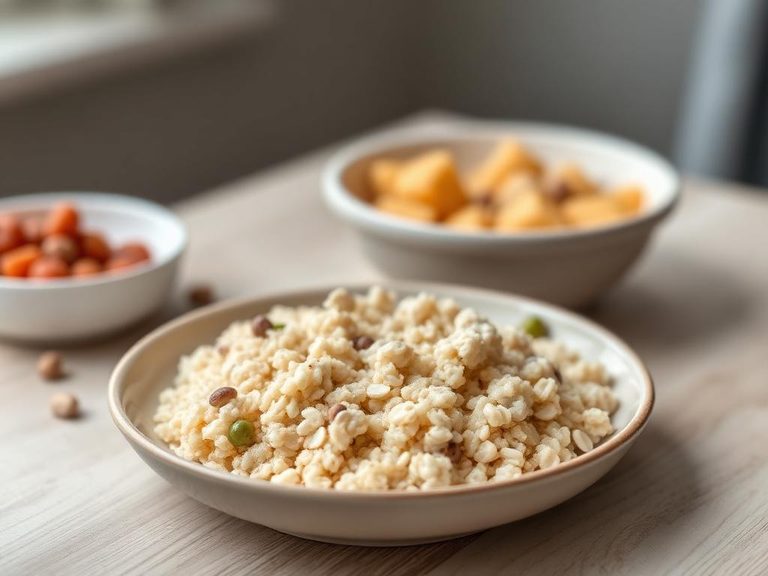
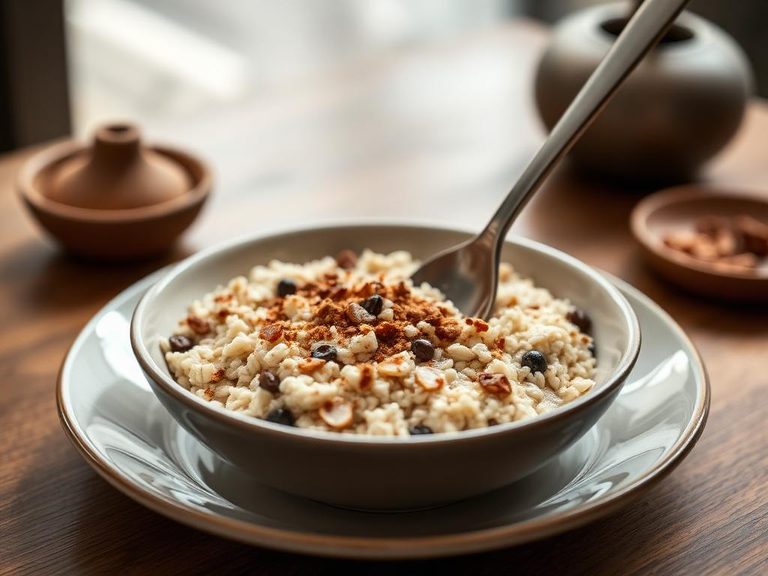
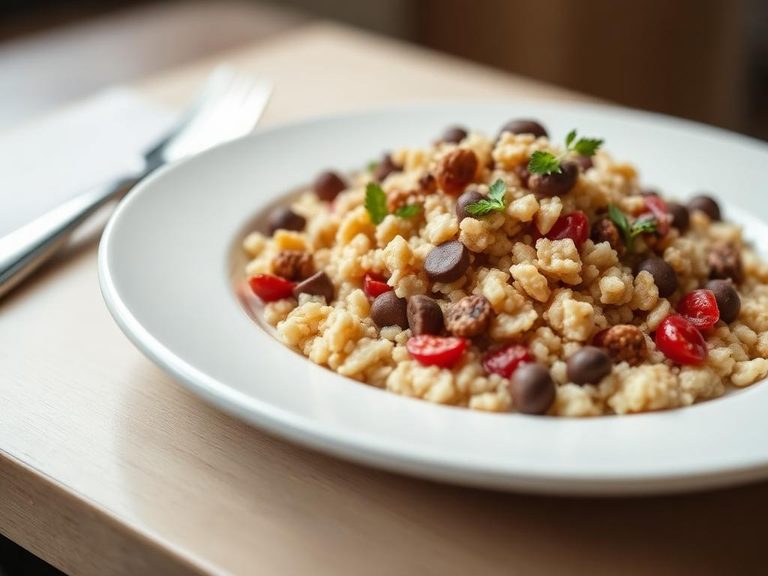
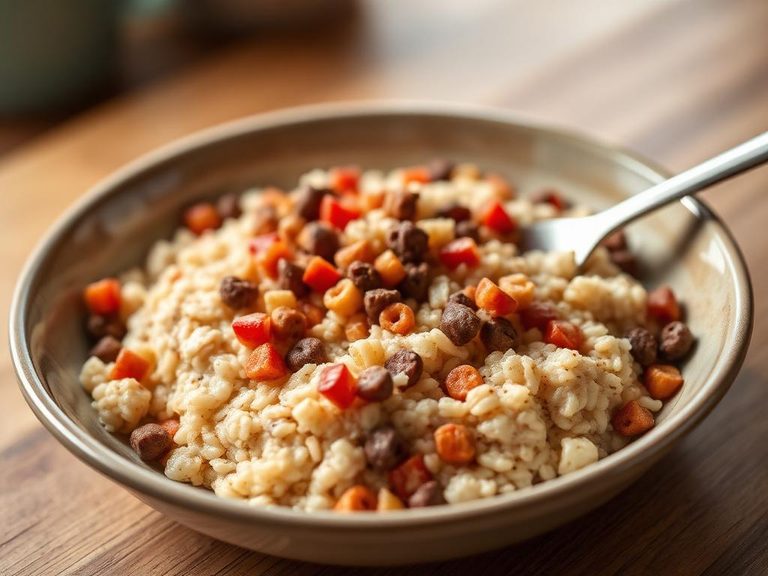
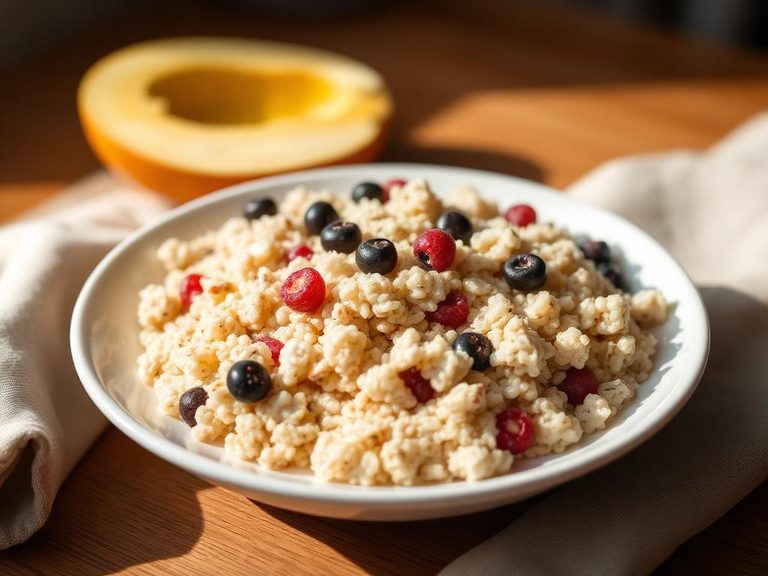
This is not a standalone dish but a common method of serving complementary foods to infants during the weaning stage, typically starting around 6 months of age. It involves blending or stirring pureed fruits, vegetables, or proteins into a base of iron-fortified baby oatmeal or rice cereal. The practice is widespread globally as a way to introduce new flavors and textures while boosting the nutritional profile of the bland cereal base.
🍽️ Nutrition at a glance
The final mixture is primarily a source of carbohydrates for energy, with the added ingredients providing key vitamins, minerals, and sometimes a small amount of protein or fat. A typical serving (cereal plus one added puree) might range from 80 to 150 calories, depending on the ingredients and portion size.
Nutrition breakdown
| Calories | 100 kcal |
| Protein | 2 g |
| Carbs | 19 g |
| Fat | 1.5 g |
| Fiber | 2 g |
| Sugar | 3 g |
| Sodium | 60 mg |
| Iron | 4 mg |
| Vitamin A | 400 mcg RAE |
| Vitamin C | 10 mg |
| Zinc | 1.5 mg |
| Calcium | 50 mg |
| Potassium | 150 mg |
| Thiamin (B1) | 0.15 mg |
| Niacin (B3) | 1.5 mg |
Per 1/4 cup dry cereal (15g) prepared with water, mixed with 2 tablespoons (30g) pureed sweet potato · estimated, varies by recipe
💡 What's interesting
This method is nutritionally strategic, as the vitamin C in fruit purees (like pear or prune) can enhance the absorption of iron from the fortified cereal. Culturally, it represents a universal first step in transitioning babies to solid foods, with the specific added ingredients reflecting local dietary customs and seasonal produce.