

Milk Cereal

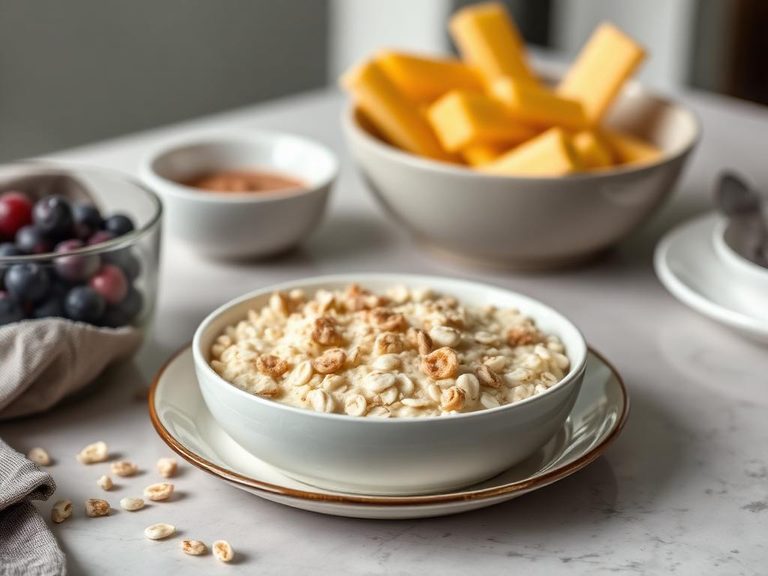
Milk Cereal is a simple, classic breakfast dish consisting of cold cereal grains served with milk. It typically features ready-to-eat cereal like corn flakes, oats, or rice puffs, combined with cow's milk or a plant-based alternative. This dish originated in the United States in the late 19th century and has since become a global breakfast staple.
🍽️ Nutrition at a glance
Milk Cereal is generally high in carbohydrates, providing quick energy, with a moderate amount of protein from the milk and cereal. Key nutrients include calcium, vitamin D (if fortified), and B vitamins, with a typical serving ranging from 150 to 250 calories depending on the cereal type and milk used.
Nutrition breakdown
| Calories | 190 kcal |
| Protein | 7 g |
| Carbs | 32 g |
| Fat | 4 g |
| Fiber | 2 g |
| Sugar | 10 g |
| Sodium | 150 mg |
| Calcium | 200 mg |
| Vitamin D | 2.5 mcg |
| Iron | 8 mg |
| Vitamin B12 | 1.2 mcg |
| Phosphorus | 150 mg |
| Magnesium | 25 mg |
| Zinc | 1.5 mg |
| Folate | 100 mcg |
Per 1 cup (40 g cereal + 200 ml milk) · estimated, varies by recipe
💡 What's interesting
Culturally, Milk Cereal revolutionized breakfast by introducing the concept of a quick, convenient, and shelf-stable morning meal, shaping modern eating habits. Nutritionally, many cereals are fortified with essential vitamins and minerals, making them a significant source of micronutrients in many diets.
🍽️ Related dishes







AI estimate may be inaccurate · Terms