

Milk Cake
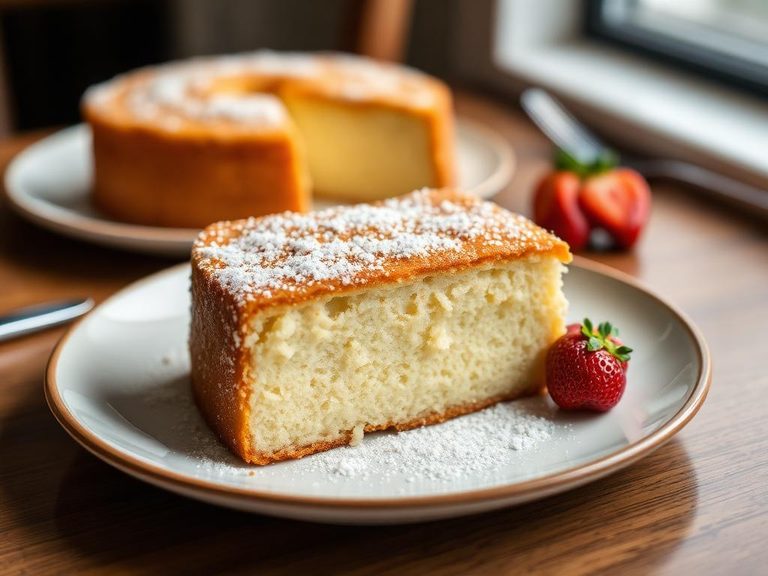
Milk Cake is a traditional Indian sweet, a dense, fudgy confection made by slowly reducing milk and sugar until it caramelizes to a golden-brown hue. Its primary ingredients are full-fat milk, sugar, and sometimes a touch of ghee or cardamom for flavor. It originates from the Indian subcontinent, with popular variations like Alwar Ka Mawa from Rajasthan.
🍽️ Nutrition at a glance
This dessert is high in both fat and carbohydrates, providing a significant calorie boost primarily from milk solids and sugar. It is a good source of calcium and protein, with a typical serving containing roughly 300-400 calories.
Nutrition breakdown
| Calories | 330 kcal |
| Protein | 7 g |
| Carbs | 45 g |
| Fat | 14 g |
| Fiber | 0 g |
| Sugar | 42 g |
| Sodium | 90 mg |
| Calcium | 220 mg |
| Phosphorus | 180 mg |
| Potassium | 250 mg |
| Vitamin A | 120 mcg |
| Vitamin B12 | 0.3 mcg |
| Riboflavin (B2) | 0.15 mg |
| Magnesium | 20 mg |
| Zinc | 0.8 mg |
Per 1 piece (80 g) · estimated, varies by recipe
💡 What's interesting
The cake's signature brown color and granular texture come from the Maillard reaction and caramelization that occur during the hours-long cooking process, not from any added colorants. Nutritionally, its high milk-solid content makes it a calorie-dense source of quick energy and bone-supporting minerals.
🍽️ Related dishes

AI estimate may be inaccurate · Terms