

Mashed Wocas
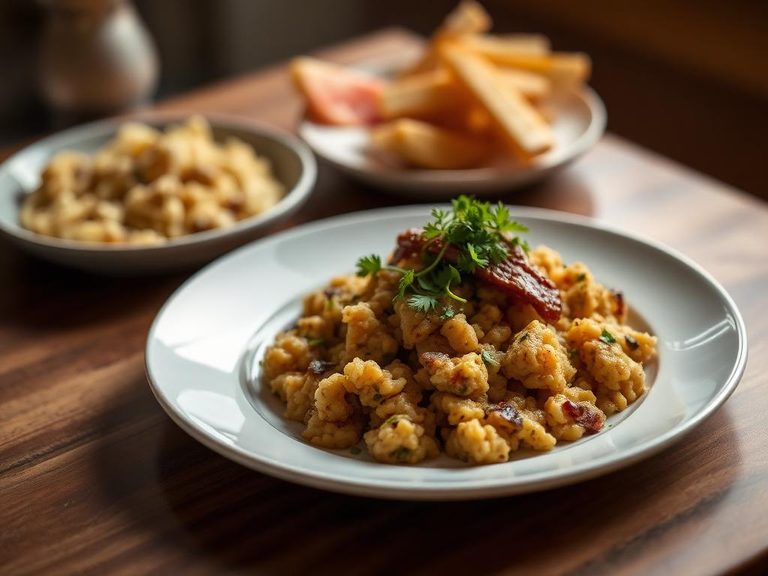
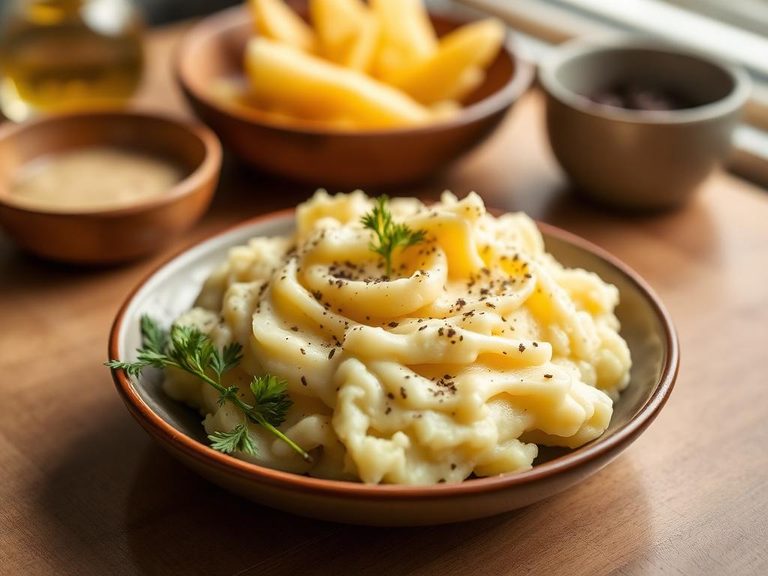
Mashed Wocas is a traditional Native American dish made from the cooked and mashed tubers of the wocas plant (also known as wapato or duck potato). It was a staple food for tribes in the Pacific Northwest and Plateau regions, particularly around the Columbia River Basin. The dish has a starchy, earthy flavor and a texture similar to mashed potatoes.
🍽️ Nutrition at a glance
This dish is primarily a source of complex carbohydrates and dietary fiber, with minimal fat and a modest amount of plant-based protein. A typical serving provides a good amount of potassium and other essential minerals.
Nutrition breakdown
| Calories | 185 kcal |
| Protein | 4.5 g |
| Carbs | 42 g |
| Fat | 0.5 g |
| Fiber | 6 g |
| Sugar | 1 g |
| Sodium | 10 mg |
| Potassium | 620 mg |
| Manganese | 0.8 mg |
| Magnesium | 45 mg |
| Phosphorus | 100 mg |
| Iron | 1.2 mg |
| Vitamin B6 | 0.3 mg |
| Vitamin C | 8 mg |
Per 1 cup (210 g) · estimated, varies by recipe
💡 What's interesting
Wocas tubers were a crucial food source harvested from shallow lake and marsh beds, often by women using their feet to dislodge them from the mud. Nutritionally, it's interesting as a wild, foraged carbohydrate source that provided essential calories and nutrients in pre-agricultural diets.
🍽️ Related dishes



AI estimate may be inaccurate · Terms