

Boiled or Roasted Wocas
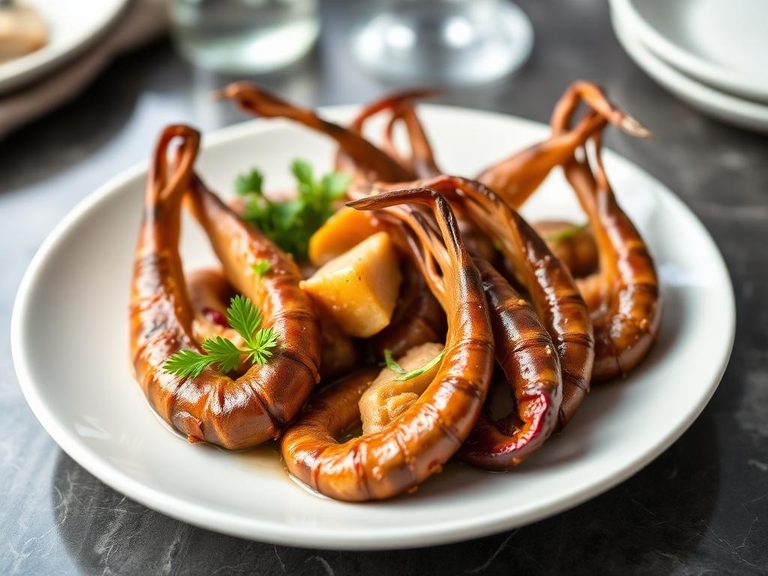
Boiled or Roasted Wocas is a traditional dish made from the edible rhizomes (roots) of the aquatic plant Sagittaria latifolia, commonly known as wapato or arrowhead. The starchy, potato-like tubers are typically boiled or roasted until tender. This dish is a historic and culturally significant food source for many Indigenous peoples of the Pacific Northwest region of North America.
🍽️ Nutrition at a glance
Wocas is a high-carbohydrate food, providing a good source of energy. It is low in fat and protein but offers essential minerals like potassium and manganese.
Nutrition breakdown
| Calories | 130 kcal |
| Protein | 2 g |
| Carbs | 30 g |
| Fat | 0.5 g |
| Fiber | 3 g |
| Sugar | 1 g |
| Sodium | 10 mg |
| Potassium | 450 mg |
| Manganese | 0.5 mg |
| Phosphorus | 60 mg |
| Magnesium | 25 mg |
| Vitamin B6 | 0.15 mg |
| Iron | 1.2 mg |
Per 1 cup, cooked (approximately 150 g) · estimated, varies by recipe
💡 What's interesting
The harvesting of wapato tubers was historically a communal and often gender-specific activity, where women would wade into shallow waters and use their feet to dislodge the roots from the muddy bottom. Nutritionally, it served as a vital, reliable carbohydrate source in the Pacific Northwest diet.
🍽️ Related dishes


AI estimate may be inaccurate · Terms