

Marinade for pulled pork or ribs
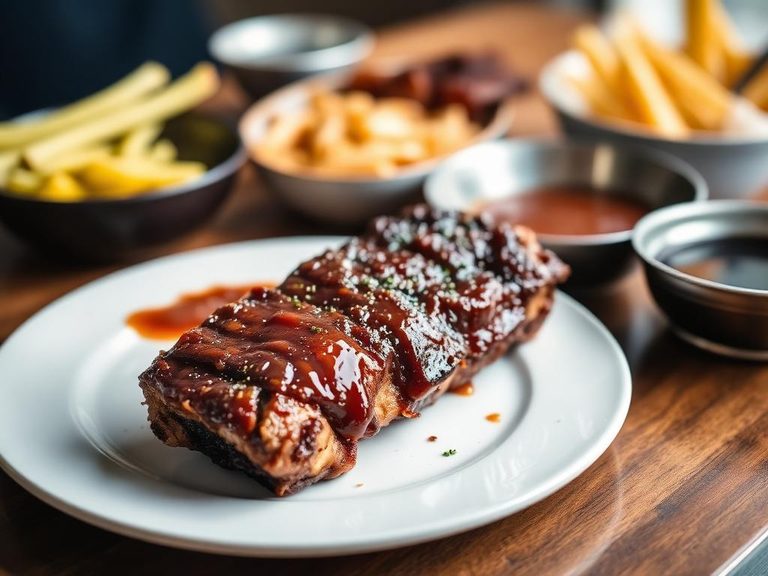
A marinade for pulled pork or ribs is a flavorful liquid mixture used to tenderize and season meat before slow cooking, typically featuring a base of acidic components like apple cider vinegar or citrus juice, sweeteners such as brown sugar or honey, and a blend of spices including paprika, garlic, and black pepper. This preparation is deeply rooted in American barbecue traditions, particularly in the Southern United States, where it's a key step in creating tender, smoky meats.
🍽️ Nutrition at a glance
While the marinade itself is low in protein, it can be moderate in carbohydrates from sugars and high in sodium from salt and soy sauce, contributing minimal calories per serving—usually under 50 calories for a typical portion used per pound of meat. The key nutrients it adds include sodium for flavor and small amounts of antioxidants from spices like paprika.
Nutrition breakdown
| Calories | 180 kcal |
| Protein | 2 g |
| Carbs | 22 g |
| Fat | 9 g |
| Fiber | 1 g |
| Sugar | 18 g |
| Sodium | 1200 mg |
| Potassium | 150 mg |
| Iron | 1 mg |
| Vitamin C | 3 mg |
| Calcium | 20 mg |
| Vitamin B6 | 0.1 mg |
| Magnesium | 10 mg |
| Phosphorus | 30 mg |
| Niacin (B3) | 0.5 mg |
Per 1/2 cup (120 g) · estimated, varies by recipe
💡 What's interesting
Culturally, marinades for pulled pork or ribs reflect regional American barbecue styles, such as the vinegar-based sauces of North Carolina or the sweeter, tomato-infused blends of Kansas City, showcasing how local ingredients and traditions shape flavor profiles. Nutritionally, the acidic components help break down tough muscle fibers, making the meat more digestible while potentially enhancing the absorption of certain nutrients.
🍽️ Related dishes



AI estimate may be inaccurate · Terms